

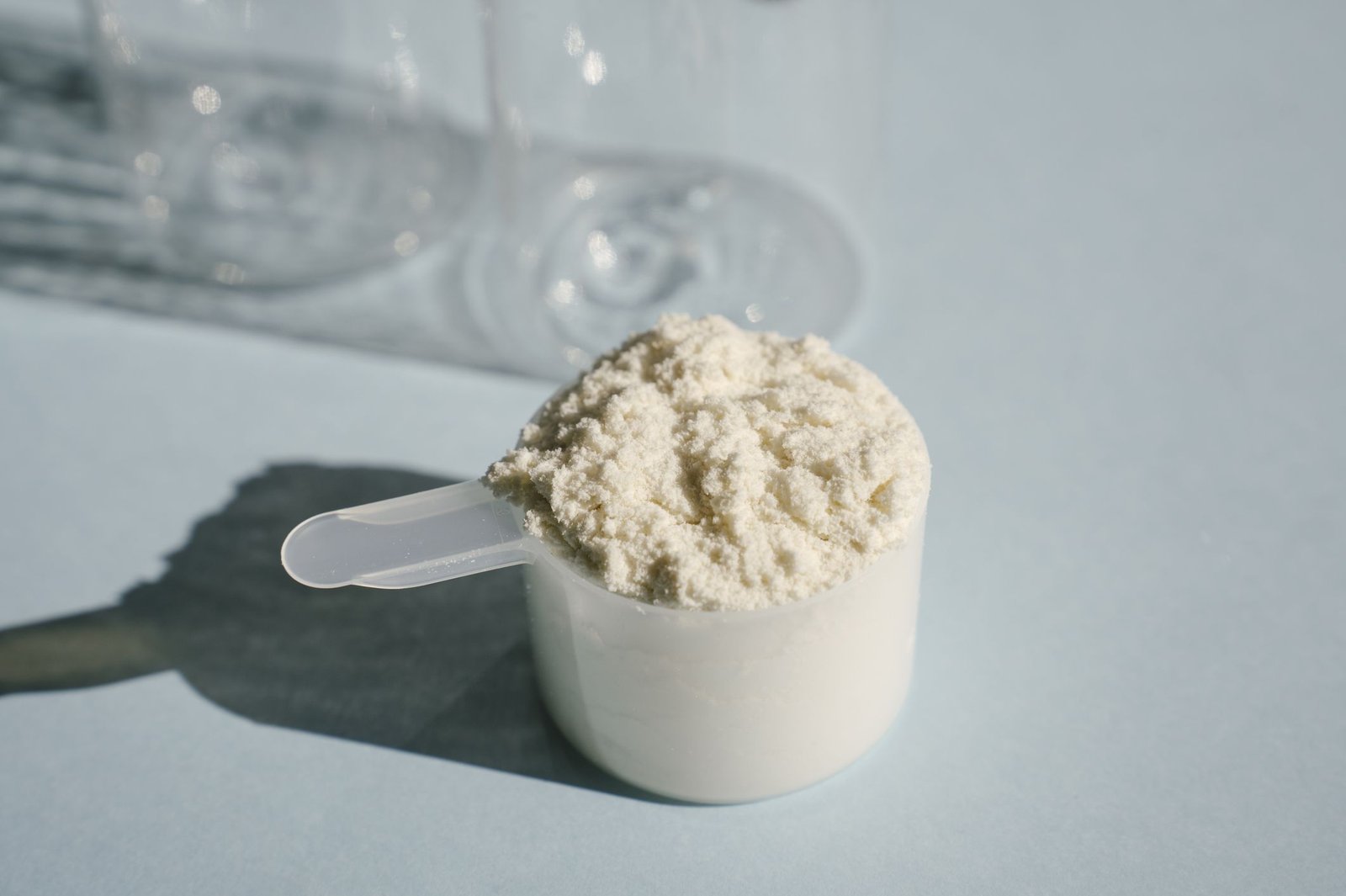
Creatine is a popular supplement used to improve power, strength, and energy during exercise. The supplement can improve your physical performance, lower inflammation, and aid muscle growth. It may also support brain function and overall health. There are several factors to consider when choosing the best creatine supplement for you.
Creatine is available in pill or powder form. Deciding which product is best for you depends on your own needs and preferences.
Creatine pills often use the same creatine as creatine powder: creatine monohydrate. For the pill product, creatine is pressed into a tablet or packed into a capsule.
When comparing creatine-only powders to pills, the pills may have a few extra ingredients. These ingredients keep the pill stable and help it work in your body as it should. The extra ingredients are usually harmless, but may be of concern if you have certain dietary restrictions or allergies.
Typically, your body can break down and absorb creatine powder more quickly than creatine pills. This is because the acids in your stomach and digestive tract need to dissolve the pill first. However, a slower breakdown can help reduce side effects from the supplement.
Most creatine products specifically contain creatine monohydrate. Creatine monohydrate is the most well-studied and effective form of creatine.
Other creatine forms, like creatine ethyl ester, creatine citrate, and creatine nitrate, are also available as supplements. However, research suggests they don’t work as well or are as safe as creatine monohydrate. Talk with a healthcare provider to decide which form of creatine is best for you and your needs.
Creatine is available on its own or as part of multi-ingredient products that include other fitness supplements and nutrients. Other supplements often paired with creatine include branched-chain amino acids (BCAAs), electrolytes, magnesium, collagen, pre-workout, and taurine.
Read product labels carefully to ensure the supplement you are using only has ingredients you are interested in taking.
Depending on why you are using creatine, you may have specific dosage requirements. Using creatine powder products lets you tailor how much you take to meet your specific needs. Most products come with a measuring scoop, or you can use teaspoons or tablespoons. In comparison, creatine pills come in specific strengths, depending on the product you buy.
Read the label or talk with a healthcare provider to determine how much creatine you should take.
The cost of creatine may differ by form. Creatine monohydrate powder is usually the most cost-friendly version of creatine. Powder is available in bulk, so you get more product for the cost. The powder form is also typically the most stable and lasts the longest without degrading or breaking down.
It is important that you choose a creatine product that is safe and pure. The U.S. Food and Drug Administration (FDA) does not regulate supplements like they do prescription medications. Check the supplement label and manufacturer’s website for certifications from third-party testers like NSF, Consumer Lab, or U.S. Pharmacopeia.
The usual recommended creatine dosage is a loading dose of 20 grams a day for seven days, followed by 3-5 grams a day for up to 12 weeks. The loading dose helps quickly raise creatine levels in your body, helping you see benefits sooner.
Creatine levels rise for 3 to 4 hours after taking creatine. However, taking the product consistently is most useful in maintaining your creatine levels at all times. Studies have shown that the supplement is also safe to use for several years.
If you want the supplement to work well, it is important that you take it consistently, exercise regularly, and stay well hydrated.
Talk to a healthcare provider if you have questions about taking creatine. They can help you determine if the supplement would be safe and useful for you.
