

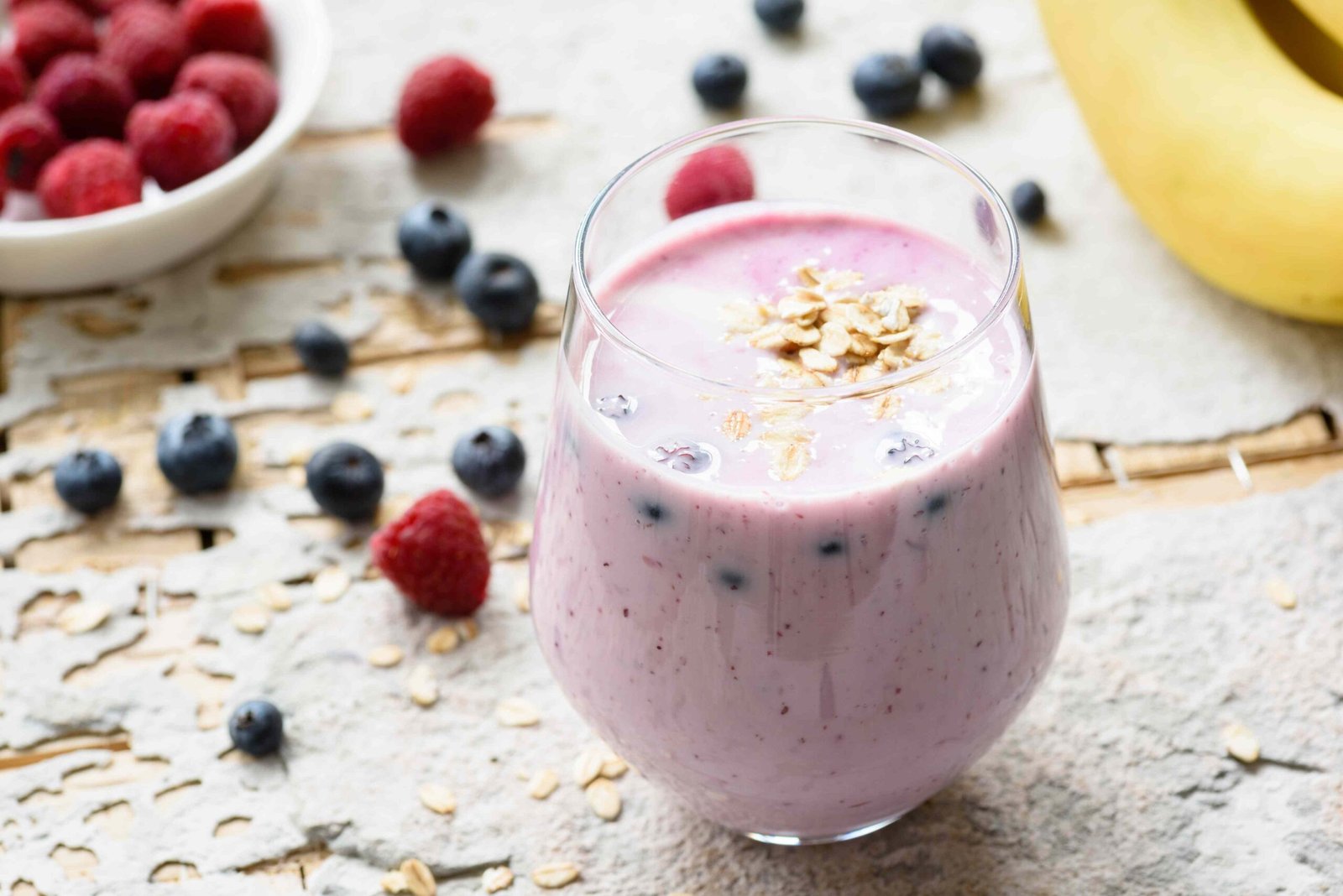
Smoothies often include fruits or vegetables, but that doesn’t automatically make them a healthy choice. Certain ingredients can undermine a smoothie’s nutritional value. Here are six additions that may do more harm than good.
While whole, unsweetened fruit is a common smoothie staple, fruit juice shouldn’t be. “Fruit juice can be loaded with sugar,” Jordan Langhough, RD, CPT, registered dietitian and owner of Jordan Langhough Nutrition & Fitness, told Health.
Some of that sugar may be natural—but many fruit juices contain added sugars, which have been linked to an increased risk of type 2 diabetes and heart disease. Juicing also strips most of a fruit’s fiber, which can lead to a faster rise in blood sugar, Langhough said.
Better options include unsweetened milk, coconut water, or plain water.
Flavored yogurts often contain added sugars, with some brands and varieties packing more than 13 grams in a single serving, Jessica Brantley-Lopez, MBA, RDN, a private practice dietitian based in California, told Health. That’s more than half of the American Heart Association’s recommended daily added-sugar limit of 25 grams for women and more than a third of the limit of 36 grams for men. It’s also more than the roughly 10 grams included in a Krispy Kreme Original Glazed donut, Brantley-Lopez added.
Instead, opt for plain kefir or Greek yogurt, which can boost the protein and probiotic content of your smoothie without the added sugar.
Some nut butters can be high in sodium, added sugars, preservatives, and added fats like palm oil and coconut oil, which can detract from a smoothie’s nutritional value. If you’re aiming for a healthier option, it’s best to steer clear of these varieties.
Instead, choose nut butters made with just one or two ingredients—but be cautious about adding too much. “Considering 2 tablespoons of peanut butter have about 15 grams of fat, this can add up pretty quick if you’re not mindful,” Tatiana Vélez-Burgos, MS, RD, CSSD, sports dietitian at Fuel Labs, told Health.
Some people add protein powder to their smoothies, but this popular supplement can be a hidden source of added sugars or sugar substitutes. “Sugar alcohols can be hard on the gut when consumed in larger amounts—as can artificial sweeteners,” Langhough said.
Whole grains like oats can add fiber, B vitamins, and minerals to a smoothie, helping boost satiety and overall nutrition. However, tossing flavored oatmeal packets or granola into the blender isn’t always the most nutritious choice. “A single packet of maple and brown sugar oatmeal can have 12 grams of added sugar,” Langhough said. Granolas, too, can be high in added sugar and fat, Vélez added.
Plant-based milks are a popular smoothie base, but many add little nutritional value, Brantley-Lopez said. “Milk alternatives such as oat, almond, and rice have minimal to no protein (0 to 3 grams per serving),” she explained. Some varieties may also contain up to 13 grams of added sugar.
For higher-protein options, Vélez suggested low-fat dairy milk or soy milk, which can provide about 8 to 12 grams of protein per cup. Choosing fortified, unsweetened plant-based milks can also help boost nutrition.
