

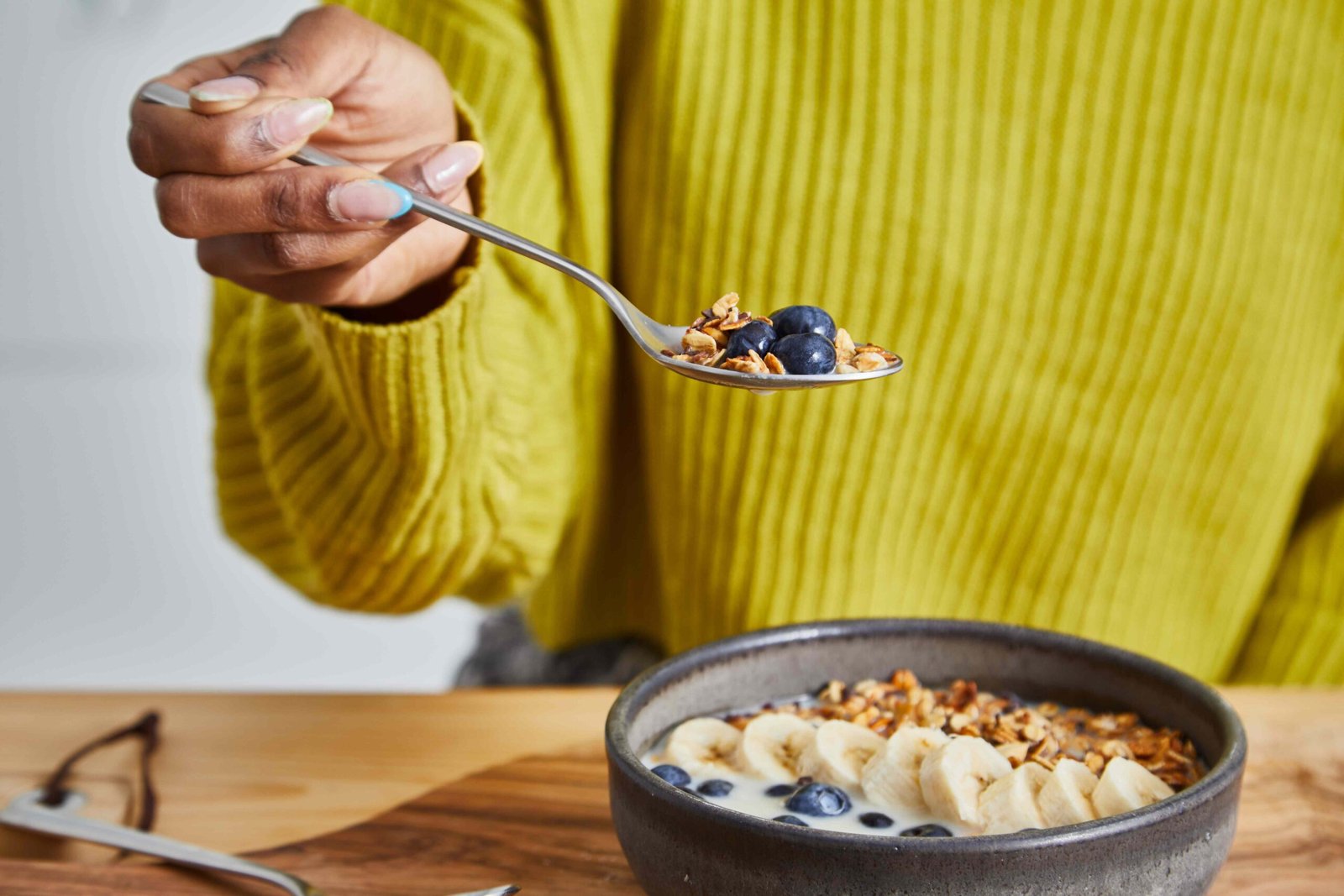
Eating breakfast regularly may help improve high-density lipoprotein (HDL, the “good” cholesterol) and lower low-density lipoprotein (LDL, the “bad” cholesterol). The ingredients you choose are the key to helping manage cholesterol, though. Here are six breakfast foods that can help lower high cholesterol.
Grazyna Palaszewska / Getty Images
It’s probably no surprise to see oats at the top of the list. They’re one of the most effective foods for lowering low-density lipoprotein (LDL, the “bad” cholesterol) because they’re rich in soluble fiber. This type of fiber forms a gel-like substance during digestion that helps trap LDL and remove it from the body.
Oats are also a good source of plant‑based protein, which can help keep you full longer. Stir in heart-healthy toppings, and you can get even more cholesterol-lowering benefits.
What to include:
- Base: Unsweetened steel-cut or rolled oats
- Fiber: Ground flaxseeds, chia seeds, fresh or frozen berries
- Healthy fats: Chopped walnuts, almonds, pecans
- Protein: Nut butter, pumpkin seeds, or plain low-fat Greek yogurt
- Liquid: Water, unsweetened plant-based milk, or low-fat dairy milk
- Flavor boosters: Cinnamon, vanilla extract, or a drizzle of pure maple syrup
4kodiak / Getty Images
Whole eggs can be part of a heart-healthy diet for some people. If you already have high cholesterol, egg whites may be a better choice. One large egg white provides nearly 4 grams of protein without any dietary cholesterol or saturated fat.
To keep the egg scramble heart-healthy, fill the pan with colorful vegetables for fiber and volume, then add lean protein.
What to include:
- Base: Egg whites
- Fiber: Spinach, tomatoes, bell peppers, mushrooms, zucchini, onions, kale
- Healthy fats: Extra virgin olive oil for cooking, sliced avocado for a topping
- Protein: Tofu, low-sodium smoked salmon, shredded chicken breast
- Flavor boosters: Fresh herbs like parsley or cilantro, garlic, black pepper, red pepper flakes
Jennifer A Smith / Getty Images
When sitting down for breakfast just isn’t an option, a smoothie is a popular portable choice. It’s easy to customize and a convenient way to include heart-healthy foods you might otherwise skip in the morning.
The strategy is to toss in ingredients that provide soluble fiber, healthy fats, and protein and to avoid fruit juice and sweetened add-ins that can raise your triglycerides.
What to include:
- Base: Unsweetened plant-based milk, low-fat dairy milk, water
- Fiber: Chia seeds, ground flaxseed, rolled oats, spinach, kale, berries
- Healthy fats: Unsweetened nut butter, a handful of walnuts, a few slices of avocado
- Protein: Plain low-fat Greek yogurt, tofu, unsweetened protein powder
- Flavor boosters: Cinnamon, vanilla extract, fresh ginger
OsakaWayne Studios / Getty Images
A crunchy slice of toast is a quick breakfast that can absolutely fit into a cholesterol-lowering eating plan. Choose 100% whole grain bread that provides soluble fiber. A good rule of thumb is to look for at least 3 grams of fiber per slice and make sure whole wheat flour or another whole grain is the first ingredient on the nutrition label.
Avoid the classic butter or sugary jam. Instead, use your toast as a foundation for plant-based fats and protein that can help support heart health without adding saturated fat or dietary cholesterol.
What to include:
- Base: Toasted 100% whole grain or sprouted grain bread
- Fiber: Mashed avocado, white bean spread, hummus, leafy greens
- Healthy fats: Nut butter, tahini, a drizzle of extra virgin olive oil
- Protein: Poached egg white, low-fat cottage cheese, low-sodium smoked salmon
- Flavor boosters: Everything bagel seasoning, lemon juice, fresh herbs, black pepper
Westend61 / Getty Images
Grains like quinoa and farro are often reserved for lunch or dinner, but they make surprisingly satisfying breakfasts. A savory grain breakfast bowl is a great way to get cholesterol-lowering soluble fiber and lean protein on those mornings when you don’t have a sweet tooth.
Start with whole grains, which retain their natural fiber that helps lower LDL and helps you feel full longer. Then toss in leftover roasted vegetables for even more fiber, a lean protein source, and healthy fats to round out the bowl.
What to include:
- Base: Cooked quinoa, farro, brown rice, barley, bulgur wheat
- Fiber: Roasted or sautéed vegetables like spinach, kale, bell peppers, onions
- Healthy fats: A drizzle of extra virgin olive oil, sliced avocado, toasted pumpkin seeds
- Protein: Poached egg white, lentils, chickpeas, shredded chicken breast
- Flavor boosters: Fresh herbs, homemade vinaigrette, lemon juice
maple’s photographs / Getty Images
When you make waffles from scratch, you can tweak the batter and toppings to make them cholesterol-friendly. Use whole-grain flour instead of white flour to boost soluble fiber. If the recipe calls for whole eggs, use egg whites or a mix of one whole egg with two egg whites to cut back on dietary cholesterol. Skip the butter, whipped cream, and sugar-heavy syrups, and use healthier alternatives instead.
What to include:
- Base: Whole wheat flour, oat flour, or a blend of both
- Fiber: Ground oats, flaxseed, or chia seeds mixed into the batter
- Liquid: Unsweetened plant-based milk
- Healthy fats: Almond butter, chopped walnuts as a topping
- Protein: Egg whites, plain low-fat Greek yogurt as a topping
- Flavor boosters: Cinnamon, vanilla extract; top with fresh berries
When managing cholesterol, a few breakfast ingredients are better kept to a minimum. Avoid or limit these common breakfast additions:
- Sweetened instant oatmeal packets
- Butter, lard, full-fat dairy products
- Bacon, sausage, processed breakfast meats
- White bread, refined grain products
- Sweetened nut butters and flavored yogurts
- Whipped cream, cream cheese
- Sugary jams, syrups, and flavored coffee creamers
