

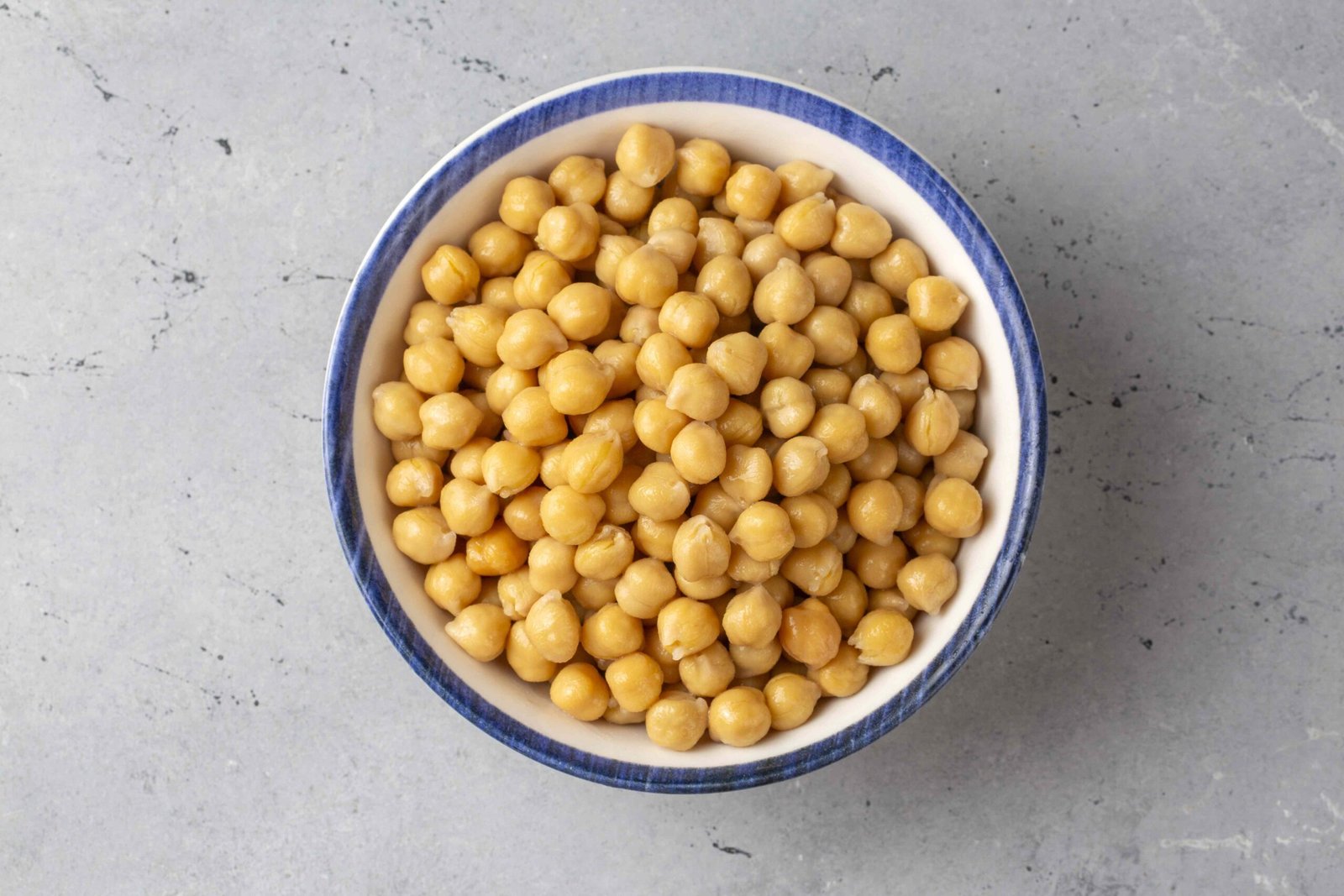
Fiber is an important part of your diet and can support digestion, blood sugar control, and heart health. Chickpeas are an excellent source of fiber—a 100-gram serving (just under half of a can) of drained chickpeas contains 6.4 grams of fiber. However, other foods contain even more.
jirkaejc / Getty Images
- Fiber: 7.9 grams per 100 grams (one-half cup) of cooked lentils
Lentils are an incredibly nutritious food. They’re rich in antioxidants, which give these legumes anti-inflammatory and anti-microbial effects.
Plus, in addition to lentils’ high fiber content, they’re also a rich source of plant-based protein—a standard serving has 9 grams of protein. The combination of fiber and protein in lentils helps slow digestion, which is associated with benefits such as weight management and blood sugar regulation.
Lentils are common in both Mediterranean and Indian cooking, and they’re easy to add to a variety of dishes, including:
- Soups and stews
- Salads
- Grain bowls
- Pasta sauce
- Taco filling
- Rice dishes
Nungning20 / Getty Images
- Fiber: 8.7 grams in 100 grams (about a two-thirds cup) of cooked black beans
Black beans are a great source of fiber. A 100-gram serving of cooked beans can provide 25-39% of the daily fiber you need, depending on age and gender.
This pantry staple is also a great source of magnesium, iron, and protein. Plus, black beans contain anthocyanins, which are powerful antioxidant compounds that may help improve blood sugar control and lower heart disease risk.
They’re also great sources of magnesium and iron, and contain antioxidants that may support heart health and reduce inflammation.
Black beans can be used in a wide variety of dishes, including burritos, salads, and even brownies. Note that if you use canned black beans, rinsing them before eating can lower the sodium content (while still giving you a fiber boost).
Linda Hall / Getty Images
- Fiber: 8.3 grams in 100 grams (about a one-half cup) of cooked split peas
Split peas are a type of legume, similar to chickpeas, beans, and lentils. They can come in yellow or green varieties.
Beyond fiber, split peas are a good source of protein and micronutrients such as iron and folate (vitamin B9).
Split peas are probably best known for being the star ingredient in split pea soup. But there are other ways to add them to your diet:
- Toss them in soups
- Blend cooked split peas into dips, casseroles, or veggie patties
- Grind split peas into flour, which can be added to baked goods to make them more filling
bharat soni / Getty Images
- Fiber: 3.5 grams in a 1-ounce serving of almonds (about 23 almonds)
A standard serving of almonds has slightly less fiber than chickpeas. However, when comparing the two by weight, almonds are the clear winner—100 grams (about two-thirds of a cup, or 83 almonds) contains 12.5 grams of fiber.
In addition to their protein and fiber content, almonds are a good source of vitamin E, potassium, and magnesium. They also contain a high amount of unsaturated fats, making them a good choice for heart health and weight loss.
Almonds are easy to add to your diet—you can eat them as a snack, sprinkle them on salads or yogurt bowls, or blend them into smoothies or nut butter. To keep your sodium levels in check, consider choosing unsalted or lightly salted almonds.
Veena Nair / Getty Images
- Fiber: 4.16 grams in an 18-gram serving (about 2 tablespoons) of flax seeds
Flaxseeds have less fiber per serving as compared to chickpeas. However, 100 grams of flaxseeds (just under a two-thirds cup) contain 16.7 more grams of fiber than 100 grams of chickpeas.
Flaxseeds also contain health-boosting molecules like beta-glucan, which helps them absorb and lower your cholesterol. They’re also a great source of omega-3 fatty acids.
In stores, you can usually find whole or ground flaxseed, as well as flaxseed oil. The whole seeds can be added to smoothies, sprinkled on oatmeal or cereal, or added to baked goods.
However, ground flaxseed is best for your heart health, as it’s easier for your body to digest. Many people mix ground flaxseed into yogurt or pancake batter for an extra nutritional boost.
Westend61 / Getty Images
- Fiber: 9.75 grams in a 1-ounce serving of dried chia seeds
Chia seeds are fiber powerhouses—100 grams of dried seeds contains 34.4 grams of fiber. In addition, chia seeds are a good source of protein, omega-3 fatty acids, and antioxidants, which means they may help protect against heart disease, type 2 diabetes, and gastrointestinal issues such as constipation.
You can add small amounts of dried chia seeds to smoothies, baked goods, oatmeal, or salads. However, chia seeds expand up to 12 times their weight when mixed with liquid, forming a gel-like texture. Many people soak chia seeds in milk or a milk alternative alongside fruit to make chia pudding, which is an easy breakfast option or snack.
Eating a variety of high-fiber foods is a great way to boost digestion, lower cholesterol, improve blood sugar control, and reduce the risk of heart disease.
In the United States, daily fiber recommendations depend on you age and gender:
- Ages 19-30: 28 grams of fiber for women, 34 grams of fiber for men
- Ages 31-50: 25 grams of fiber for women, 31 grams of fiber for men
- Ages 51+: 22 grams of fiber for women, 28 grams of fiber for men
The large majority of U.S. adults don’t get enough fiber, so getting more legumes, seeds, and nuts in your diet can help.
However, when you’re increasing your fiber intake, it’s best to do so gradually—a steep jump in your fiber consumption can lead to bloating, stomach pain, and other gastrointestinal issues. Hydrating properly as you increase your fiber intake can also help prevent issues such as constipation.
