

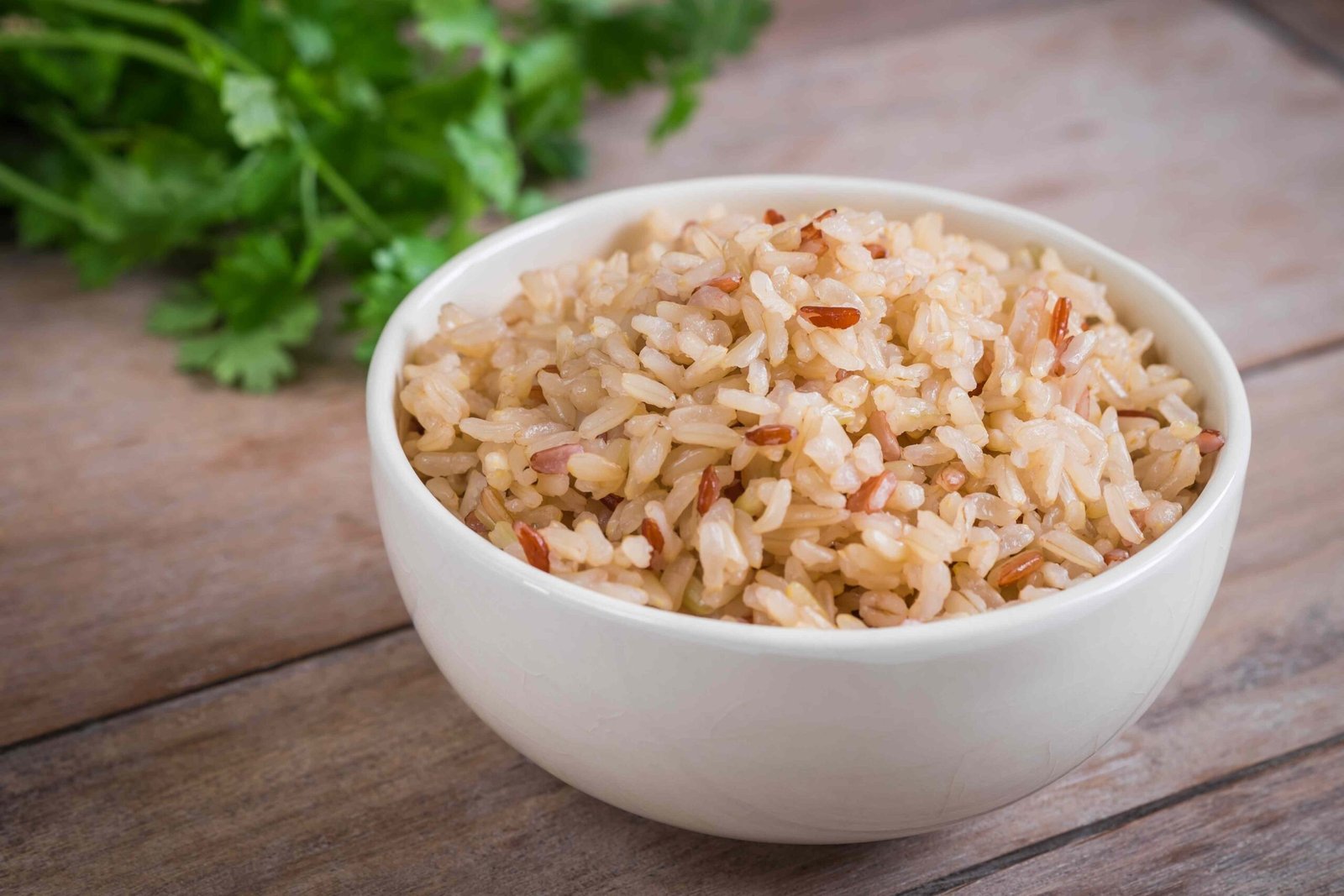
Brown rice is a rich source of fiber. Roughly half a cup—or 100 grams—of raw medium-grain brown rice contains about 3.4 grams of fiber. That’s about 12% of the 28 grams of fiber adults are recommended to eat every day. Several other foods exceed this percentage, providing more fiber per serving.
Juan Silva / Getty Images
- Fiber content: 31.8 grams, about 114% of the DV
- Serving size: 1 cup
Barley is a nutrient-dense whole grain packed with functional ingredients, vitamins, and minerals like:
- Vitamins A, B1, C and E
- Gamma-aminobutyric acid (GABA)
- Saponarin and other flavonoids
- Polyphenols
- Calcium
- Potassium
- Magnesium
- Selenium
Its nutritional profile makes barley a great food option for managing weight, regulating blood sugar, and promoting gut and heart health. Barley may also have positive effects on sleep, diabetes, inflammation, and cognition.
Barley is a versatile grain that you can prepare as a standalone dish or pair with dishes such as porridge, stews, soups, muesli, baked foods, beverages, and granola. To gain the most nutrients and fiber from barley, it’s best to consume it in its minimally processed form.
Luc TEBOUL / Getty Images
- Fiber content: 17.1 grams, 61.1% of the DV
- Serving size: 1 cup
Bulgur is a popular staple food in Mediterranean and Middle Eastern cuisine. Made from the groats of different wheat species, especially durum wheat, a cup of dry cereal contains more than half the DV of fiber for adults.
High-fiber foods like bulgur promote satiety (the feeling of fullness), support weight management, and may lower the risk of colorectal cancer by promoting the production of butyrate, a beneficial short-chain fatty acid.
Bulgur is also a rich source of:
- Carbohydrates
- Protein
- Potassium
- Magnesium
- Phosphorus
- Sodium
- Calcium
- Folate
- Vitamin B3
Bulgur is produced by parboiling (partially boiling), drying, and then cracking or milling wheat kernels. While some water-soluble nutrients may be lost during this process, parboiling can reduce phytic acid (an antinutrient), which may help improve the availability of certain nutrients.
Krit of Studio OMG / Getty Images
- Fiber content: 16.6 grams, about 59% of the DV
- Serving size: 1 cup
Beans are great sources of fiber and are also widely known for their high protein content. They are also excellent sources of:
- Potassium
- Folate
- Iron
- Zinc
- Calcium
- Phosphorus
- Potassium
- Vitamin K
Black beans are also cholesterol-free and low in saturated fat, making them heart-friendly foods. Research suggests that eating black beans may help lower inflammatory response and improve the body’s sensitivity to insulin, a hormone that helps regulate blood sugar.
Irina Marwan / Getty Images
- Fiber content: 14.5 grams, about 52% of the DV of fiber
- Serving size: 1 cup, raw
Oats are a highly nutritious, easy-to-prepare cereal meal. Oats are considered one of the healthiest grains to consume, as they are packed with important nutrients, such as:
- Carbohydrates
- Protein
- Thiamine
- Magnesium
- Potassium
- Phosphorus
- Iron
- Zinc
- Vitamin B6
- Calcium
Oat types include oat groats, steel-cut oats, instant oats, rolled oats, and oat bran. While they can all be part of a well-balanced diet, oat groats and steel-cut oats are the least processed and offer the highest fiber content. Instant oats and rolled oats, however, take less time to prepare and are easier to digest.
VICTOR de SCHWANBERG/SCIENCE PHOTO LIBRARY / Getty Images
- Fiber content: 11.9 grams, 42.5% of the DV
- Serving size: 1 cup
The American Heart Association describes quinoa as a “nutritional powerhouse” abundant in protein and carbohydrates. Quinoa is also notable for its high fiber content.
Quinoa is a source of certain B vitamins, which play a role in metabolism. Because it doesn’t contain gluten, it’s an excellent food option for people with celiac disease and related gastrointestinal disorders.
bhofack2 / Getty Images
- Fiber content: 8.2 grams, 29.3% of the DV
- Serving size: 1 cup, mashed
Sweet potatoes are highly nutritious, sweet, starchy root vegetables. They contain bioactive compounds, such as polyphenols, anthocyanins, and other beneficial phytochemicals. They are also a rich source of other nutrients like:
- Carbohydrates
- Protein
- Simple sugar
- Starch
- Calcium
- Potassium
- Sodium
- Magnesium
- Vitamin C
- Vitamin A
Cooking turns starch in sweet potatoes into maltose, a simple sugar. In their raw form, sweet potatoes have less maltose, which may make them better for blood sugar regulation. However, raw potatoes are harder to digest and may cause gastrointestinal discomfort for some people.
Fiber plays a significant role in digestion, nutrient absorption, and overall gastrointestinal health. There are two main forms of fiber:
- Soluble fiber: This type of fiber dissolves in water, forming a gel-like paste. It slows down food digestion, helping with satiety and softening stool.
- Insoluble fiber: This type does not dissolve in water. It remains intact, adding bulk to your stool.
A balance of soluble and insoluble fiber influences key aspects of the gastrointestinal system and can lead to effects like:
- Increased satiety
- Increased stool bulk and bowel movement
- A cleanup of unwanted buildup in the gastrointestinal tract
- Lower risk of constipation
- Prevention of post-meal blood sugar spikes
- Lower risk of colon cancer
- Reduced risk of diverticulitis, a condition where pouches form in your intestines, typically causing pain
