

Recovering from COVID-19 can leave you feeling run-down for weeks or months. Rest is essential to feeling better, but eating a nutritious diet may also help speed recovery by repairing your tissues, muscles, and immune health.
Eating foods rich in vitamins C and D, protein, and electrolytes can support your COVID recovery.
Ivan-balvan / Getty Images
Vitamin C helps your immune system function, aiding recovery and preventing future infections.
Many fruits and vegetables are good sources of vitamin C:
- Oranges
- Grapefruit
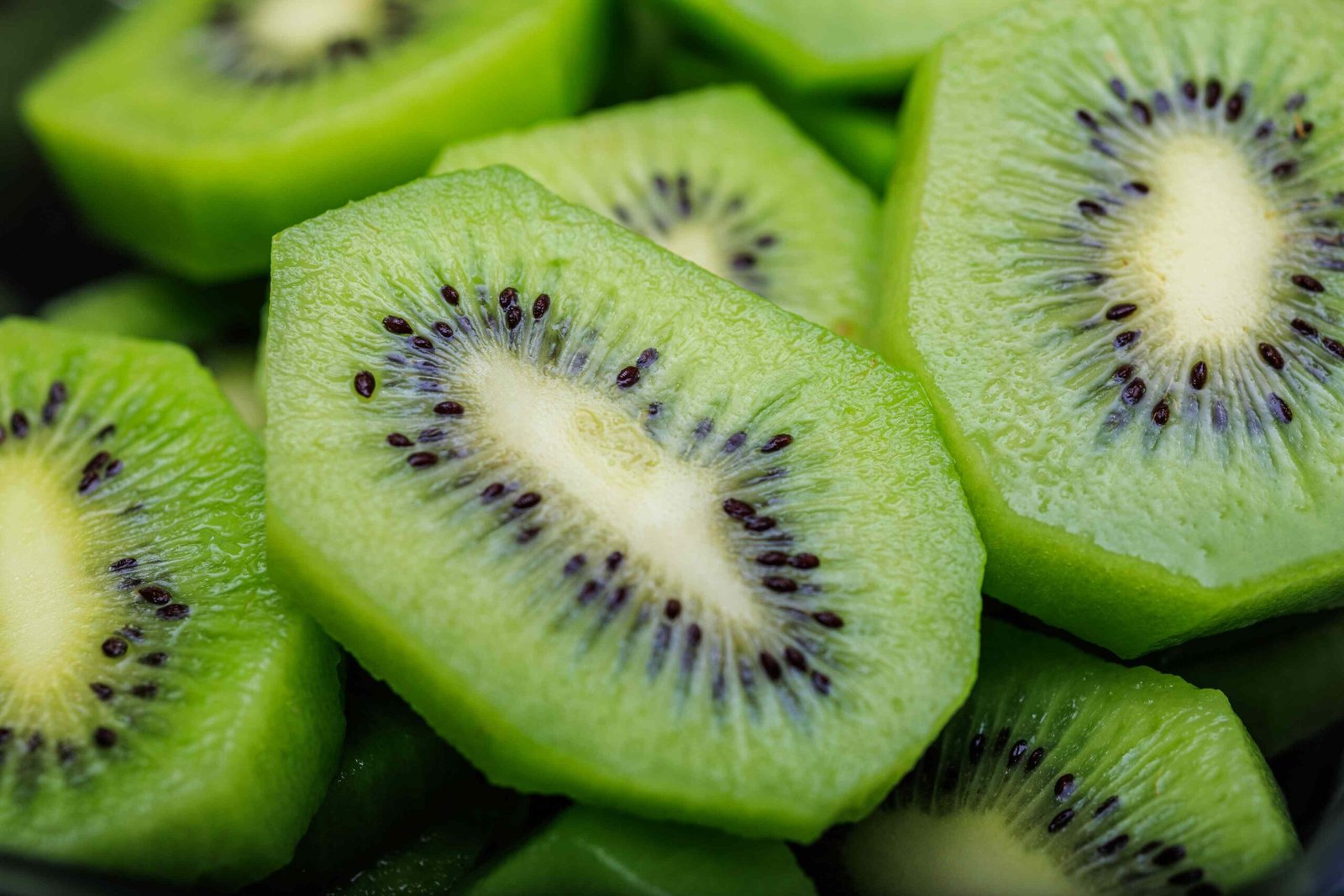
- Kiwi
- Strawberries
- Cantaloupe
- Tomatoes
- Red and green peppers
- Broccoli
- Brussels sprouts
- Potatoes
Most adults need 90-120 milligrams of vitamin C a day. If you are recovering from an illness, consider increasing your intake to 200-300 milligrams of vitamin C per day. You can typically get 200 milligrams of vitamin C by eating five servings of different vitamin C-rich fruits and vegetables.
krisanapong detraphiphat / Getty Images
Vitamin D supports your immune system, reduces inflammation, keeps your bones healthy, and helps maintain brain and muscle function. Sun exposure is the best way for your body to get vitamin D.
You can also get vitamin D through some foods:
- Fatty fish like salmon, trout, and tuna
- Certain mushrooms, especially when exposed to UV light
- Cheese
- Egg yolk
- Beef liver
- Fortified milk
People who don’t get enough vitamin D are more likely to get sick. Research suggests that taking vitamin D supplements helps prevent respiratory tract infections, especially in people with a vitamin D deficiency.
Studies also show people with low vitamin D levels may be more likely to have severe COVID illnesses. When it comes to recovering from COVID, some research has found that COVID infections themselves may cause vitamin D deficiencies, which would weaken your immune system, muscle, and brain health.
Adults can eat up to 15-20 micrograms of vitamin D from foods per day. Eating a three-ounce serving of fatty fish can help you consume about 50 percent of your vitamin D intake.
Liudmyla Chuhunova / Getty Images
Getting enough protein is vital for building muscle and repairing tissues. Protein is also an essential building block for creating cells, like immune cells.
Studies show that a high-protein diet can aid in COVID-19 recovery. COVID-19 can cause sarcopenia, loss of muscle mass and function. Parenteral steroids used to treat severe COVID-19 can also increase muscle breakdown. A large research review found that combining protein and resistance training helped improve muscle mass and strength during COVID-19 recovery.
Many animal sources of protein also provide the immune system-boosting mineral zinc. Some animal proteins include:
Some plant-based protein sources include:
- Beans
- Lentils
- Peas
- Nuts and seeds
Most adults need about 50 grams of protein a day. However, how much protein you need depends on your age, sex, and health. To get enough protein, you need about 10-35% of your total calories to come from protein-rich foods. So if you eat a traditional 2,000-calorie diet, you need anywhere from 100-400 grams of protein. A general rule is to eat about 0.83 grams of protein per kilogram of body weight per day.
Natalia Gdovskaia / Getty Images
Whole grains are good sources of complex carbohydrates and prebiotic fiber. Examples include:
- Oatmeal
- Barley
- Brown rice
- Quinoa
- Whole wheat pasta and bread
If you’re feeling exhausted during your COVID-19 recovery, complex carbs may help provide long-lasting energy without spiking your blood sugar.
Eating foods with prebiotic fiber also helps beneficial gut bacteria grow, which helps your body absorb more nutrients and reduce inflammation. Prebiotics also help regulate cytokines, proteins that help stimulate your immune system to fight off infection. COVID-19 can cause too many cytokines in the blood, known as a cytokine storm, leading to a severe immune reaction. Studies show that introducing prebiotics can also help regulate the inflammatory response.
To get the most health benefits, aim to eat about 3-6 ounces of whole grains every day. You can typically hit the lower end of this goal by eating about three 1-ounce servings of whole grains.
Emilija Manevska / Getty Images
You need water every day to survive, but it’s especially important to stay hydrated when recovering from COVID. Dehydration is common after most illnesses, especially if you had a fever or were vomiting. Staying hydrated while you recover is vital to help your body function properly and transport other nutrients throughout your body.
Water’s specific effect on COVID-19 recovery hasn’t been a major research topic. However, studies have shown that hydration is crucial for managing viral illnesses and promoting recovery.
Most adults should aim to drink about 9-13 cups of water every day. If you are recovering from COVID, you may want to increase your water intake to help replenish lost fluids.
Jamie Grill / Getty Images
Electrolytes are minerals— like sodium, magnesium, potassium, and chloride—that help balance the amount of water in your body for proper hydration. Electrolytes also help move nutrients through your body and support muscle and nerve function, blood pressure, and heart rate.
Your body can’t make most of its electrolytes on its own, so you need to get plenty of electrolytes from food and drinks.
Foods with electrolytes include:
- Salt
- Bananas
- Watermelon
- Spinach
- Pickles
You can also reach for electrolyte drinks like:
- Sports drinks
- Hydration mixes
- Coconut water
- Bone broth
Even if you’re drinking enough water, you still need electrolytes to help avoid an electrolyte imbalance. Sweating and vomiting during a COVID illness can lead to low electrolyte levels that make it difficult for your body to function and heal.
Eating a nutritious diet can be difficult if you’re still not feeling well. If you’re still experiencing nausea, here are some tips to eat healthier while you recover from COVID:
- Opt for bland, easy-to-digest foods: Whole wheat noodles, crackers, and pasta are easy on your stomach, but still give you energy and support overall health. Skinless chicken is also a more palatable form of protein.
- Eat cold foods: Hot foods can have stronger odors. If you’re sensitive to smells right now, reach for cold or room-temperature foods.
- Eat small, frequent meals: Snack on nutritious foods every few hours instead of eating three larger meals to help reduce nausea from a full stomach.
- Stay hydrated: Don’t chug water and overwhelm your stomach. Instead, sip on fluids throughout the day–especially between meals— to stay hydrated.
- Avoid sweet foods: Foods high in sugar can make nausea worse.
Eating healthier may also be challenging if you can’t smell or taste your food. If you’re dealing with loss of taste and smell during your COVID recovery, try these tips to make nutritious food tastier:
- Add more flavor: Try to boost the aroma and flavor of your food with herbs and hot spices.
- Eat colorful, textured foods: Making food more visually appealing and experiencing different textures may help improve taste.
- Dress your vegetables: Add a little bit of cheese, butter, olive oil, or toasted nuts to bland veggies.
- Avoid casseroles: Foods that combine multiple ingredients can dilute the taste, making it difficult to discern different flavors.
