

Iron is a key nutrient that’s needed for oxygen transport, energy production, and overall health. However, iron deficiency is the most common nutrient deficiency worldwide. Fortunately, there are several ways to increase your iron intake, which can help restore your iron levels.
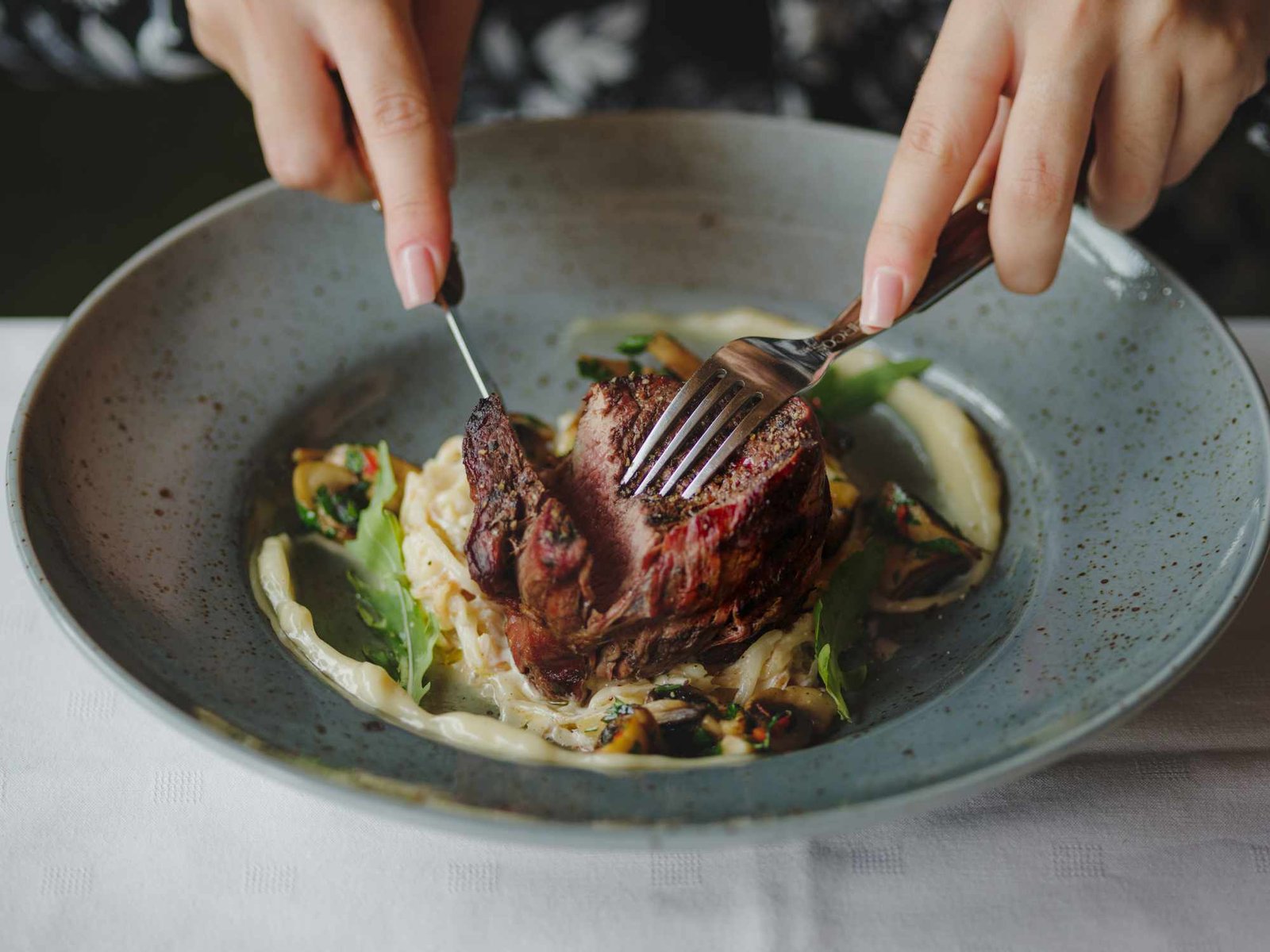
The best way to include more iron in your diet is to eat a variety of iron-rich foods every day. “Iron comes from both plant and animal foods in two forms: non-heme iron (from plants) and heme iron (from animal sources),” Kristin Kirkpatrick, MS RDN, told Health. “Including both types helps ensure not only adequate iron intake, but also a broader range of essential vitamins and minerals that naturally come with these foods.”
Animal foods, like red meat and fish, contain heme iron, which is better absorbed than non-heme or plant-based iron. Research shows that eating a source of heme iron alongside plant-based foods can boost your body’s ability to absorb iron from fruits, vegetables, and grains.
Iron-rich foods include:
- Red meat, poultry, and seafood
- Beans and lentils
- Tofu
- Spinach and other dark leafy greens
- Dark chocolate
Vitamin C enhances your body’s ability to absorb iron from plant-based foods.
“Everyone has heard about orange juice at breakfast time, but have you tried adding tomato sauce or fermented foods such as kimchi, miso, and pickled vegetables?” Dustin Moore, PhD, RD, told Health. “These foods also boost the acidity and iron absorption of your foods,” he explained.
To enhance iron absorption, try pairing:
- Beans and lentils with tomatoes or bell peppers
- Spinach with citrus fruit or strawberries
- Tofu with a citrus-based sauce
This simple tip is especially important for those who follow plant-based diets, like vegans and vegetarians, who are more at risk of developing iron deficiency.
Try cooking with cast-iron pans. “Acidic foods cooked in cast iron absorb small amounts of iron, increasing total iron intake without changing what you eat,” Miranda Naylor, a functional medicine physician, told Health. Studies show that cooking in iron pots can significantly increase the iron content of foods and improve iron bioavailability.
Try cooking meals like bean-based tomato sauces, soups, and stews, and lentil curries in cast-iron pots to improve their iron content.
Some foods, including breakfast cereals and bread, are fortified with iron and offer an affordable way to boost iron intake.
Additionally, plant-based foods and drinks, like soy milk and tofu, are helpful for people who don’t eat animal-based iron sources, like meat.
Common iron-fortified foods include:
- Breakfast cereals
- Bread and pasta
- Rice and other grains
- Plant-based milks
- Tofu
Regularly including fortified foods can improve your iron status and may help prevent deficiency.
Certain nutrients and other compounds found in foods, drinks, and supplements can interfere with iron absorption when consumed at the same time as iron-containing foods. “Calcium or zinc supplements compete with iron for absorption in the gut, and coffee or tea can significantly block absorption,” explained Moore.
Foods and supplements that may reduce absorption include:
- Coffee and tea
- Calcium-rich foods
- Calcium and zinc supplements
- Fiber supplements and some high-fiber foods, like wheat bran
For best iron absorption, wait at least two hours after taking calcium or zinc supplements before eating iron-rich foods, and avoid foods or drinks that can inhibit iron absorption with your meals and snacks.
Though it’s possible to increase your iron intake through diet alone, many people with low iron stores require supplements to increase their iron levels.
“Certain conditions and stages of life may require extra iron, in which case we recommend a high-quality supplement,” said Moore. For example, people with heavy periods, teen girls, and those who follow plant-based diets are more at risk for developing iron deficiency anemia and may require supplemental iron.
While iron supplements help most people with low iron, some can’t effectively absorb enough through their digestive tract or have iron losses that are too high to be treated with oral iron supplements. In these cases, intravenous iron infusions are needed.
Iron is critical for health and is required for transporting oxygen throughout the body via red blood cells. It’s also essential for energy production, immune function, hormone synthesis, and neurological development.
Not consuming enough iron, losing too much iron, or not being able to effectively absorb iron from food and supplements can lead to low iron stores and, eventually, iron deficiency anemia.
Iron deficiency causes a number of symptoms, including fatigue, weakness, headaches, issues regulating body temperature, shortness of breath, and difficulty concentrating.
If you think you may have low iron, it’s important to make an appointment with your healthcare provider to undergo appropriate testing and receive treatment if needed.
