

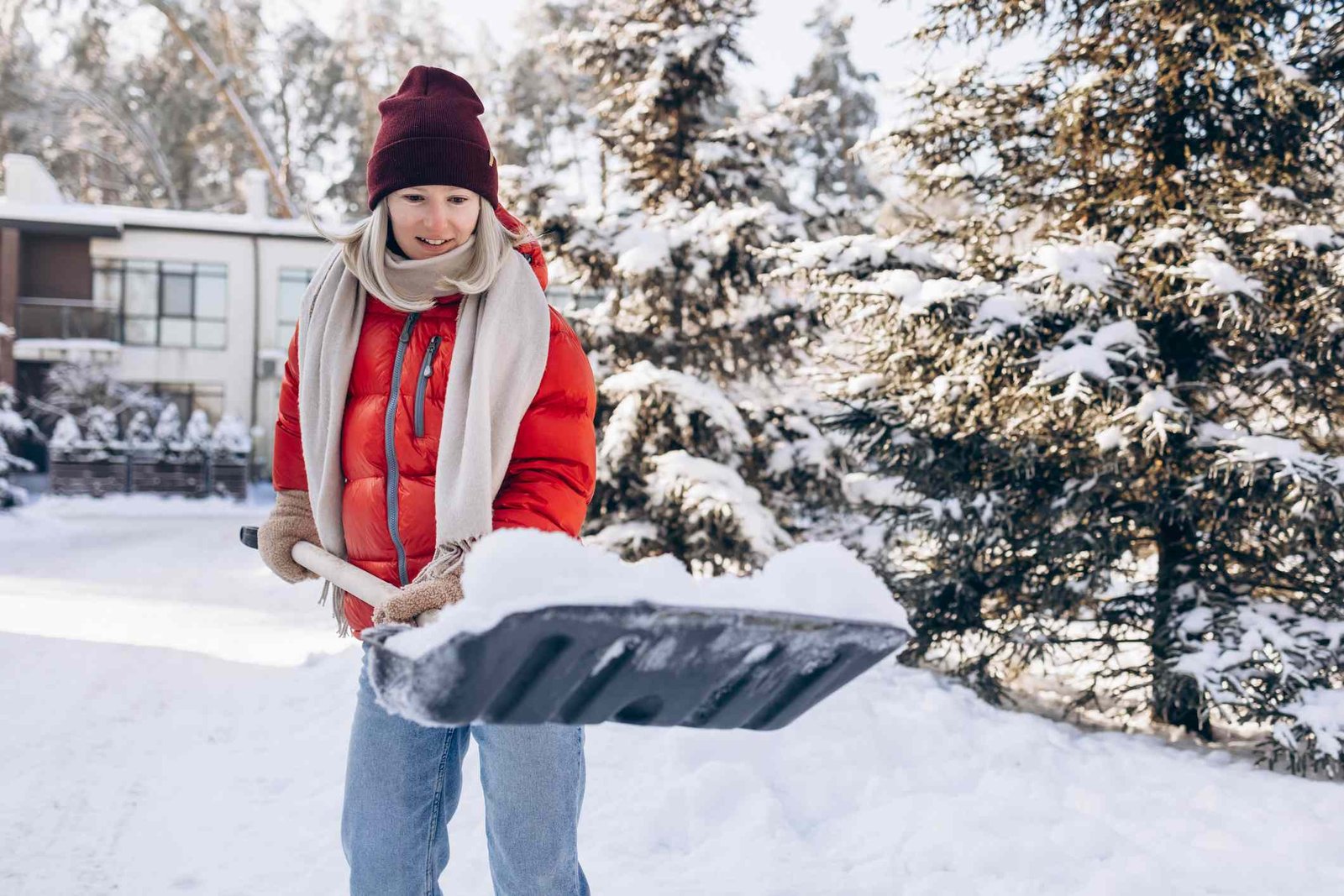
Shoveling snow causes thousands of injuries every year because of the significant stress it puts on your muscles, joints, and even the heart. In fact, some experts say shoveling snow is equivalent to running nine miles per hour. Before you pick up that shovel, ensure you take the appropriate precautions.
Treat shoveling snow like you would any type of physical exertion. “It is crucial to take the time to warm up and prepare your body,” Miriam Fischer, MD, FACEP, a board-certified emergency medicine physician, told Health. “I recommend stretching and getting your body [moving] before heading outside.”
Your risks of injury can increase when you try to shovel quickly, lift too much snow at once, or are not used to this level of physical activity.
“Tight muscles are more likely to strain or tear,” Marc A. Milano, MD, FACEP, chair of the Department of Emergency Medicine at Newark Beth Israel Medical Center and Children’s Hospital of New Jersey, told Health. “A quick five to 10-minute warm-up with light walking, arm circles, gentle squats, and back stretches can help prepare your body and lower injury risk.”
Back injuries are common due to both overuse and risky technique when shoveling snow. Mark Loafman, MD, MPH, chair of Family and Community Medicine at Cook County Health in Chicago, Illinois, suggests taking your time and using ergonomic posture and technique. You should also consider the snow’s weight and the shovel’s size, and adjust the amount of snow you are lifting.
Additionally, a lightweight shovel or one with an ergonomic or curved handle will be easiest on your back. “When shoveling, push snow away when possible, lift small amounts, bend at your knees—not your waist—and avoid twisting while lifting,” said Milano.
When you are shoveling snow, go slow and pace yourself. Heart attacks are more common in the winter due to a combination of your body’s physiological responses to cold, lifestyle changes, and increased stress levels, said Fischer. The added strain of shoveling snow can trigger heart attacks, especially in people with pre-existing heart conditions, she said.
One study found that the risk of heart attack increased substantially, particularly among men, following heavy snowfall.
If you are short of breath, dizzy, or lightheaded while shoveling, you need to slow down, take a break, and listen to your body. If symptoms persist or do not improve with rest, seek medical help.
It’s important to consider the proper attire. “Make sure you are wearing warm layers, including removable ones for when you sweat,” said Fischer. “Gloves or mittens, thick socks, waterproof footwear, and a hat are a must.”
“We also see a lot of injuries from falls during the winter in the emergency department,” said Fischer. “Make sure you are always picking shoes with sensible treads that are waterproof, especially if you are going to be outside for any extended periods of time.”
Additionally, exposed skin and cold, wet skin are at risk of frostbite, so make sure you are covering your skin and staying as dry as possible. It’s also important to stay hydrated, take breaks, and keep your time outside brief when the temperature is really cold. According to the National Weather Service, a wind chill of -20 degrees Fahrenheit (-28 degrees Celsius) may cause frostbite in just 30 minutes.
Research shows that shoveling snow places significant stress on the cardiovascular system. This can result in an increased heart rate, elevated blood pressure, and more strain on your heart.
“The general recommendation is to avoid exerting yourself beyond the level you normally do in your day-to-day life,” said Loafman. “Any signs that you are exceeding that level are signs to stop, slow down, or at least take a break; and of course, chest pain or chest pressure is the classic red flag to not just stop but to seek immediate medical attention.”
Likewise, people over 50, as well as those with existing heart disease, high blood pressure, diabetes, or those who are out of shape, are at higher risk, added Milano. “Smokers and anyone who hasn’t been physically active recently should also be extra cautious,” he added.
