

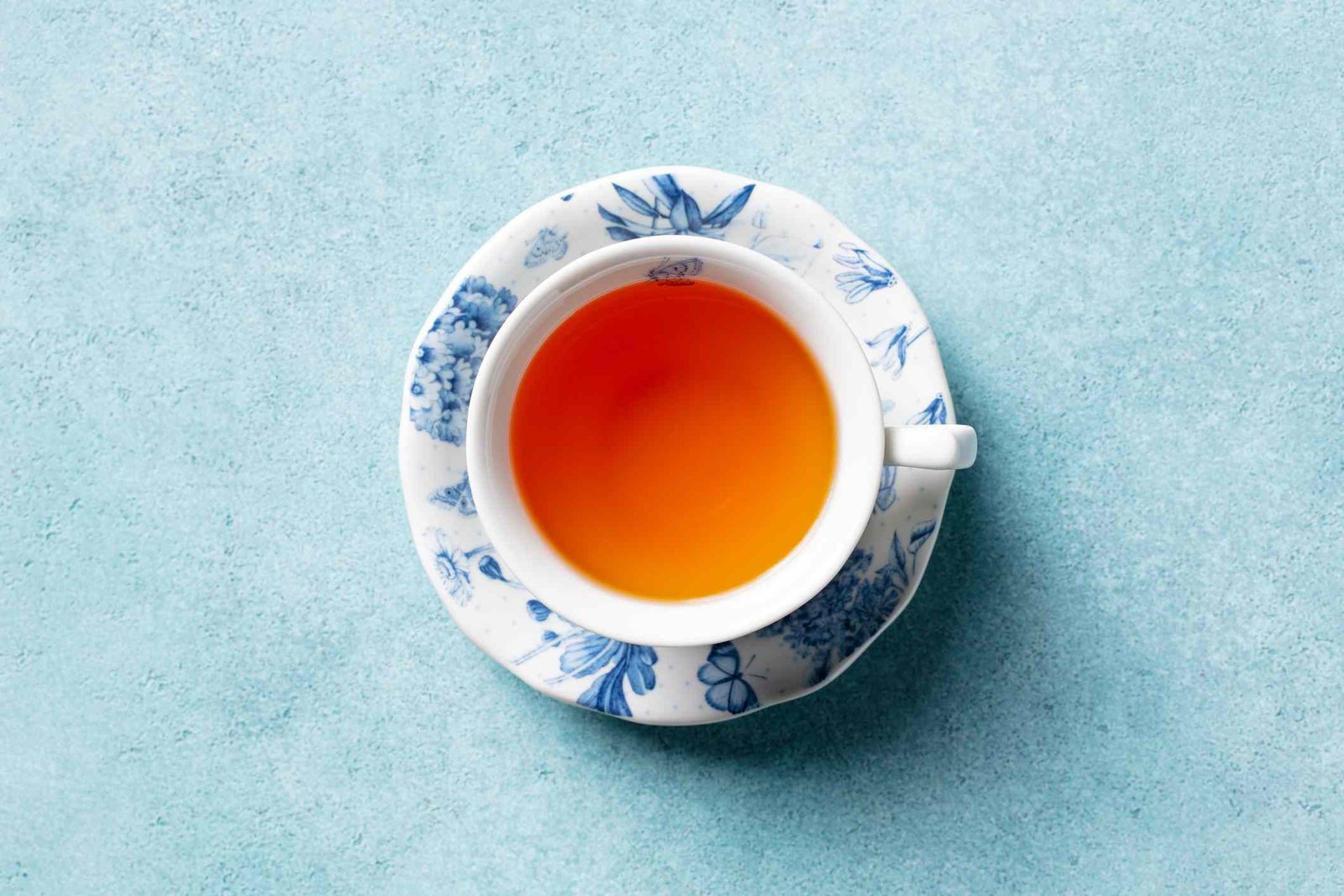
Drinking water and caffeine-free teas helps keep you hydrated, which can help your body heal. Teas also contain plant compounds called polyphenols. Polyphenols may support your immune system and reduce your chances of catching a cold.
Green tea has catechins, which are a type of polyphenol. Polyphenols are a group of molecules that may help fight viruses, bacteria, and inflammation.
Taking green tea catechins—by drinking, gargling, or using supplements—may help prevent flu. A 2015 study found that people who drank green tea at least twice a week had a 61% lower risk of catching the flu.
One study suggests brewing finely ground tea leaves at 185 °F (85 °C) for 30 minutes to get the most polyphenols. Using very cool water (68 °F/20 °C) and brewing for a long time (12 hours) also gives the most antioxidants.
Squeeze a lemon to get the most benefits from green tea. Green tea catechins work better in acidic conditions. Adding lemon makes the tea more acidic.
Green tea contains caffeine, so consume it in moderation. Having too much caffeine can make it hard to sleep and can cause dehydration.
Echinacea is a purple flower that grows in areas east of the Rocky Mountains. It has many beneficial compounds, including one called alkamides. Alkamides may help your body fight inflammation and viruses and support overall immune health.
Some studies suggest that Echinacea tablets and capsules may help prevent upper respiratory tract infections and shorten the recovery period in children.
A 2022 study found that drinking Echinacea tea brewed at 185 °F (80 °C) worked better against viruses than taking capsules or tablets.
Another 2015 study found that drinking a hot drink made with Echinacea and elderberry worked as well as the flu medicine Tamiflu (oseltamivir) when the flu was treated early.
Be aware that Echinacea may not be safe during pregnancy and breastfeeding.
Some people may be allergic to Echinacea. Echinacea may also interact with immunosuppressant medications. Consult your doctor if you have chronic conditions or take any medication.
Elderberry is a dark purple berry that grows on the black elder tree. People use elderberry supplements to help with colds and other upper respiratory infections.
Elderberry is rich in anthocyanins, which are powerful antioxidants. These antioxidants help support the immune system and may slow down the spread of viruses.
A 2021 research review found that elderberry supplements may make colds shorter and less severe. Most studies focus on the effects of supplements. There is limited evidence that elderberry or elderberry tea helps with colds.
Elderflower tea is made from elderberry flowers. The leaves, stems, and unripe berries of the elder tree are poisonous.
Many people use chamomile to help with colds and coughs.
Chamomile has compounds that fight inflammation and act as antioxidants. However, no studies in humans show that chamomile tea directly helps with colds.
Chamomile has been shown to improve sleep. Since rest is essential for illness recovery and overall health, chamomile may help your body heal.
Ginger has compounds called gingerols. Gingerols might help fight the flu virus, but no studies show they work in people.
Studies in people suggest that ginger supplements might help lower inflammation and protect the body with antioxidants. Lowering inflammation may help your body heal, but no studies have looked at how ginger tea affects colds directly.
Some people claim lemon tea helps with cold symptoms, but there is no proof that it actually does.
Lemons are rich in vitamin C, which can help make colds less severe. But lemon tea doesn’t have much vitamin C. You can get vitamin C by eating lemons or other citrus fruits instead.
Still, lemon tea can provide hydration, which can support health. Add fresh lemon juice or a slice to hot water.
