

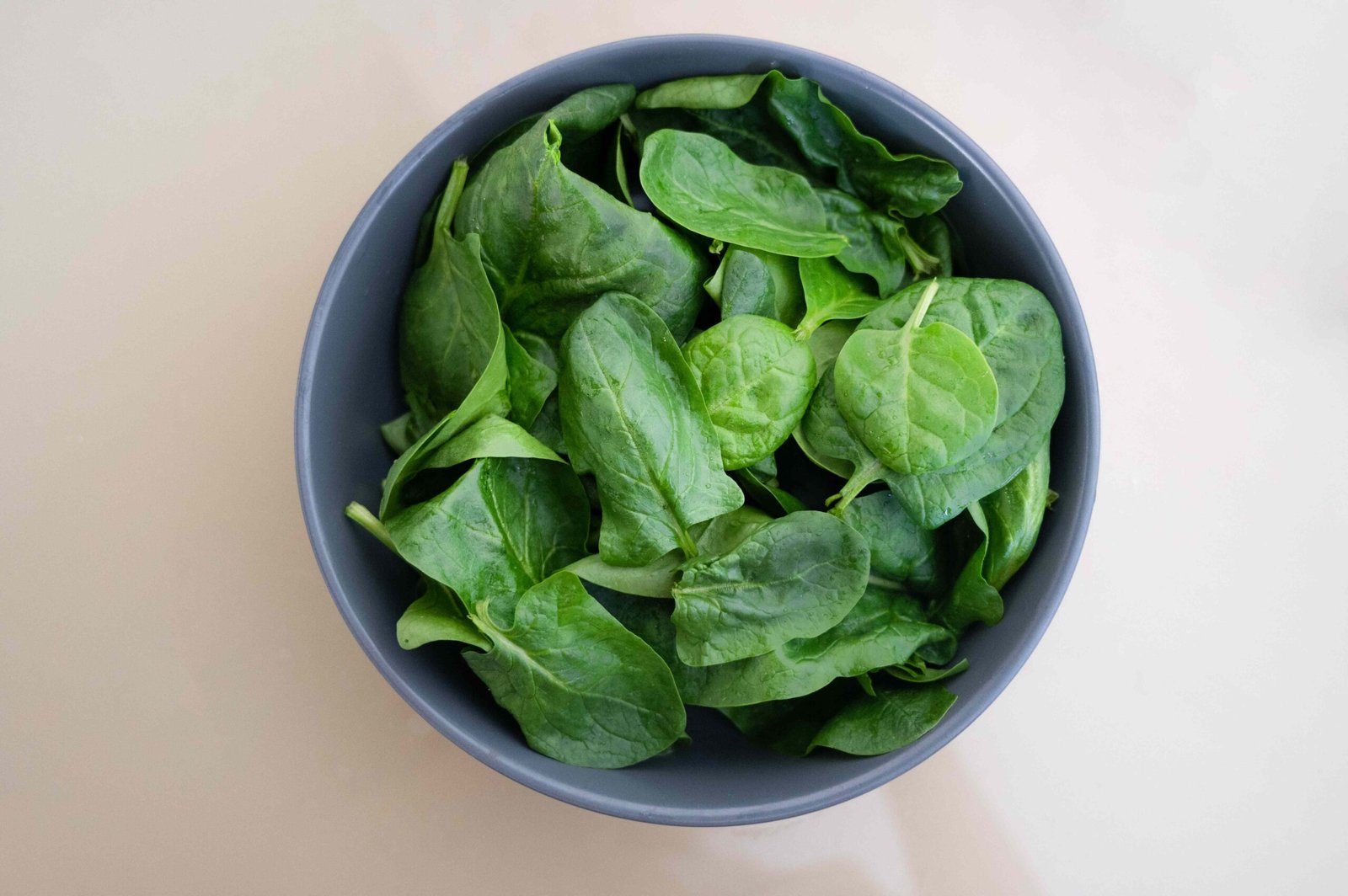
Incorporating magnesium-rich foods into your diet is key for healthy muscle, nerve, and bone health. Spinach is a good source of magnesium—a 100-gram serving (just over one-half cup) of cooked spinach provides 87 milligrams. But several foods, including certain seeds and nuts, contain even more.
bhofack2 / Getty Images
- Magnesium content: 150 milligrams in 30 grams (about an ounce) of raw pumpkin seeds
Pumpkin seeds are one of the top dietary sources of magnesium. By weight, they have a magnesium content that’s nearly 6 times greater than cooked spinach.
In addition to magnesium, pumpkin seeds also deliver protein, fiber, zinc, and iron.
You can sprinkle pumpkin seeds on salads, toss them into trail mix, stir them into oatmeal, or roast them for a crunchy snack.
maksim kulikov / Getty Images
- Magnesium content: 95 milligrams in one ounce (about 28 grams) of dried chia seeds
Chia seeds are small, nutrient-dense black and white seeds rich in magnesium. With just one ounce of dried chia seeds, you’ll get roughly 22-30% of your daily magnesium needs, depending on your gender and age. Chia seeds also supply fiber and omega-3 fatty acids, which support heart and digestive health.
To add chia seeds to your diet, try mixing them into smoothies, stirring them into yogurt or oatmeal, or soaking them in milk (or a dairy-free alternative) overnight to make chia pudding.
Rattankun Thongbun / Getty Images
- Magnesium content: 76.5 milligrams in a one-ounce serving (about 28 grams) of almonds
Almonds are among the best nut-based sources of magnesium. Their magnesium content is a bit lower per serving than cooked spinach. However, 100 grams of almonds (about 3.5 ounces or about 80 almonds) has a magnesium content that’s three times greater than 100 grams of spinach.
Beyond magnesium, almonds are a great source of protein, fiber, and healthy fats which help you feel full and support your heart health.
You can eat almonds raw or roasted as a snack, add them to trail mix, or chop them over salads, cereal, yogurt, or grain bowls. Spreading almond butter on whole-grain toast or mixing it into soups can also add more magnesium to your day.
oykuozgu / Getty Images
- Magnesium content: 75.3 milligrams in a 30-gram (or, one-ounce) serving of raw cashews
Like almonds, cashews are a good nut-based source of magnesium. Though they have slightly less magnesium than spinach per serving, they provide 251 grams of magnesium per 100 grams (about a three-fourths cup).
Cashews are known for having a creamy texture and mild flavor, plus they contain fiber, healthy fats, and potassium to support heart health.
You can enjoy cashews raw or roasted as a snack, in salads and stir-fries, or blended to make a creamy nut butter spread.
Emilija Manevska / Getty Images
- Magnesium content: 64.6 milligrams in a one-ounce serving (about 28 grams) of 70-85% dark chocolate
Good news for chocolate lovers: there’s a substantial amount of magnesium in this sweet treat. A full bar (100 grams) of 70-85% dark chocolate contains 228 milligrams of magnesium. Dark chocolate also provides iron and antioxidants that support heart health when you enjoy it in small amounts.
For maximum health benefits from your dark chocolate, choose varieties with at least 70% cocoa content for maximum benefits. Snack on a small square, or add chopped dark chocolate to a trail mix or oatmeal. Just be mindful of portion sizes, as dark chocolate is higher in calories.
Spinach, nuts, and seeds are some of the best dietary sources of magnesium. But other foods can also help boost your magnesium levels, even though they don’t top spinach. These include:
- Black beans: Cooked black beans offer 70 milligrams of magnesium per 100 grams (about a two-thirds cup). They also supply fiber and plant-based protein, which support blood sugar control and heart health.
- Quinoa: A 100-gram serving of cooked quinoa has 64 milligrams of magnesium. Quinoa has a mild, nutty flavor and fluffy texture, making it a great base for bowls, salads, or stir-fries.
- Edamame: You’ll get 64 milligrams of magnesium in a 100-gram serving of prepared edamame. These nutritious soybeans are a great snack when steamed and sprinkled with sea salt. Or, you can them to stir-fries or use them in grain bowls as a meat alternative.
- Brown rice: A 100-gram serving (about a half cup) of cooked brown rice has 44 milligrams of magnesium. Mix brown rice in with white rice for a nutrient boost, use it when you’re making stuffed bell peppers or tomatoes, or make a brown rice pilaf as a side dish.
- Avocado: Half of a medium-sized avocado provides 29 milligrams of magnesium. In addition to its magnesium content, avocados also contain substantial amounts of fiber, protein, potassium, and healthy fats.
Your body uses magnesium to help with many essential functions, including:
- Converting food into energy
- Helping muscles contract and relax
- Supporting nerve signaling
- Keeping bones strong
- Supporting healthy sleep
The amount of magnesium you need every day depends on your age and sex. Adult men need 400-420 milligrams, while women need 310-320 milligrams. People who are pregnant should get 350-360 milligrams of magnesium daily.
You can meet your body’s magnesium needs by including a variety of magnesium-rich foods in your daily meals. To get more magnesium, you can:
- Add a spoonful of seeds (like pumpkin or chia) to at least one meal or snack each day.
- Choose nuts, edamame, or dark chocolate instead of chips for some snacks.
- Swap refined grains like white rice for whole grains such as quinoa or brown rice.
- Add spinach, Swiss chard, and other dark, leafy greens to your salads and meals.
