

When you think about foods that raise blood pressure, you probably picture salty snacks. But sodium (salt) is actually in a lot of foods that don’t taste salty at all. Here are common foods that can raise your blood pressure if eaten regularly over time:
Connect Images / Getty Images
To a certain extent, most foods are processed. The processed foods that can raise blood pressure are those that have added sodium. Some processed foods contain a lot of sodium to help preserve flavor, extend shelf life, and improve texture. More than 70% of the sodium people eat comes from packaged and prepared foods, which tend to be heavily processed.
People who regularly eat ultra-processed foods often have a higher risk of developing high blood pressure than those who rarely eat them. Many of these foods also contain added sugar and unhealthy fats, which can increase the risk of high blood pressure over time.
Examples of processed foods include:
- Ready-to-eat or frozen meals
- Deli meats
- Canned soups
- Packaged snacks like chips and crackers
NurPhoto / Contributor / Getty Images
When you eat out, whether fast food or fine dining, chances are your plate contains more sodium than what you’d use at home.
For example, one slice of fast-food cheese pizza has around 640 milligrams of sodium. That’s almost a third of the recommended daily limit of no more than 2,300 milligrams of sodium, or roughly 1 teaspoon of table salt.
Don’t be fooled by “lighter” choices, either. Soups, sandwiches, and stir‑fries can contain more sodium than you’d expect.
jayk7 / Getty Images
You may think skipping the salt shaker and reaching for a sauce or dressing is a better choice, but many condiments are high in sodium. Just 1 tablespoon of soy sauce has about 1,010 milligrams of sodium (nearly half your daily limit). The same goes for many bottled dressings, like balsamic vinaigrette, which contains about 280 milligrams of sodium in only 2 tablespoons.
Other high-sodium condiments include:
- Barbecue sauce
- Ketchup
- Pickles
- Marinades
- Dipping sauces
Maria Korneeva / Getty Images
Most people associate high blood pressure with salt, not sweets. But added sugar can contribute to high blood pressure. This may be because added sugars can affect blood vessels in a way that leads to an increase in blood pressure. It may also have to do with added sugar being associated with excess weight, which can increase blood pressure. More research is needed to say for certain.
Drinks like soda and flavored coffees and foods like candy and sweetened breakfast cereals often contain added sugars.
Marie Kazalia / 500px / Getty Images
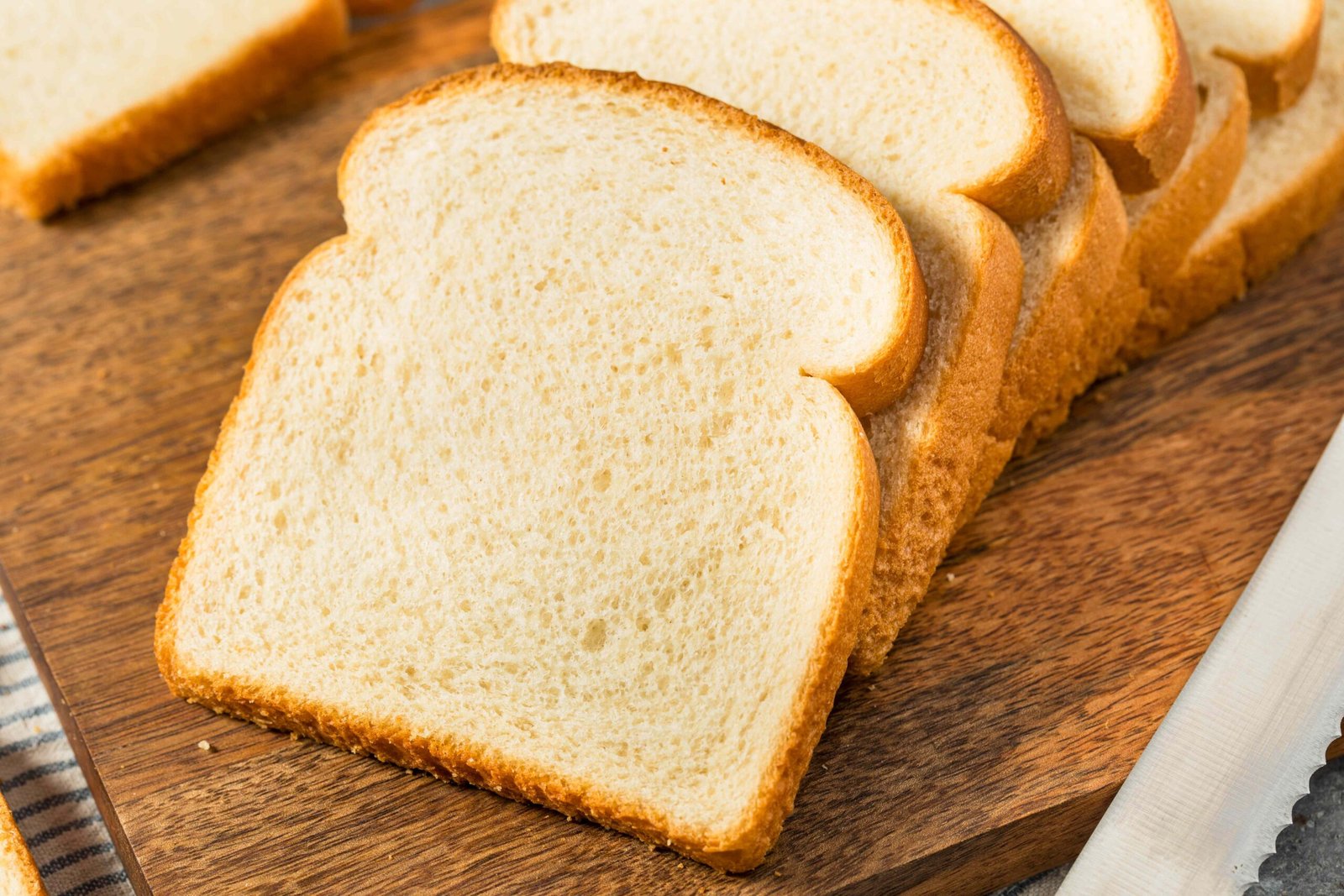
One slice of white bread contains about 130 milligrams of sodium. If you’re having toast with breakfast and sandwiches at lunch, your sodium intake for the day can gradually add up.
Baked goods like muffins and pastries often contain both sodium (for preservation and texture) and added sugar. This makes them a potential double threat to your blood pressure.
The Dietary Guidelines for Americans recommend that people have less than 2,300 milligrams of sodium a day. To follow that guidance, start with these changes:
- Limit processed meats like bacon, sausage, and deli meats.
- Compare nutrition labels, and pick low‑sodium options when buying packaged foods.
- Cook more meals at home so you can control how much salt goes in.
- Choose fresh or frozen vegetables over canned, or look for “no salt added” labels.
- Use herbs, spices, or lemon juice to flavor food.
- Ask for sauces and dressings on the side when dining out, and use them sparingly.
- Cut back on sugary drinks and swap soda or sweet tea for water or unsweetened options.
