

Key Takeaways
- We all have physical, emotional, safety, esteem, and spiritual needs.
- If your needs aren’t being met, you may feel lonely, disconnected, stressed, anxious, or demotivated.
- Learning to recognize the signs that something is missing can help you live a healthier, more balanced life.
We’ve all been there—feeling a bit off, like something’s missing, but we can’t quite put our finger on it. Maybe it’s the restless nights, the nagging sense of dissatisfaction that persists despite the hustle and bustle of the day, or the way we keep running on empty no matter how much we try to recharge.
It’s easy to brush these feelings aside, telling ourselves we’re just stressed or busy. But what if these are signs that we’re not meeting our own needs?
What Are Our Core Needs?
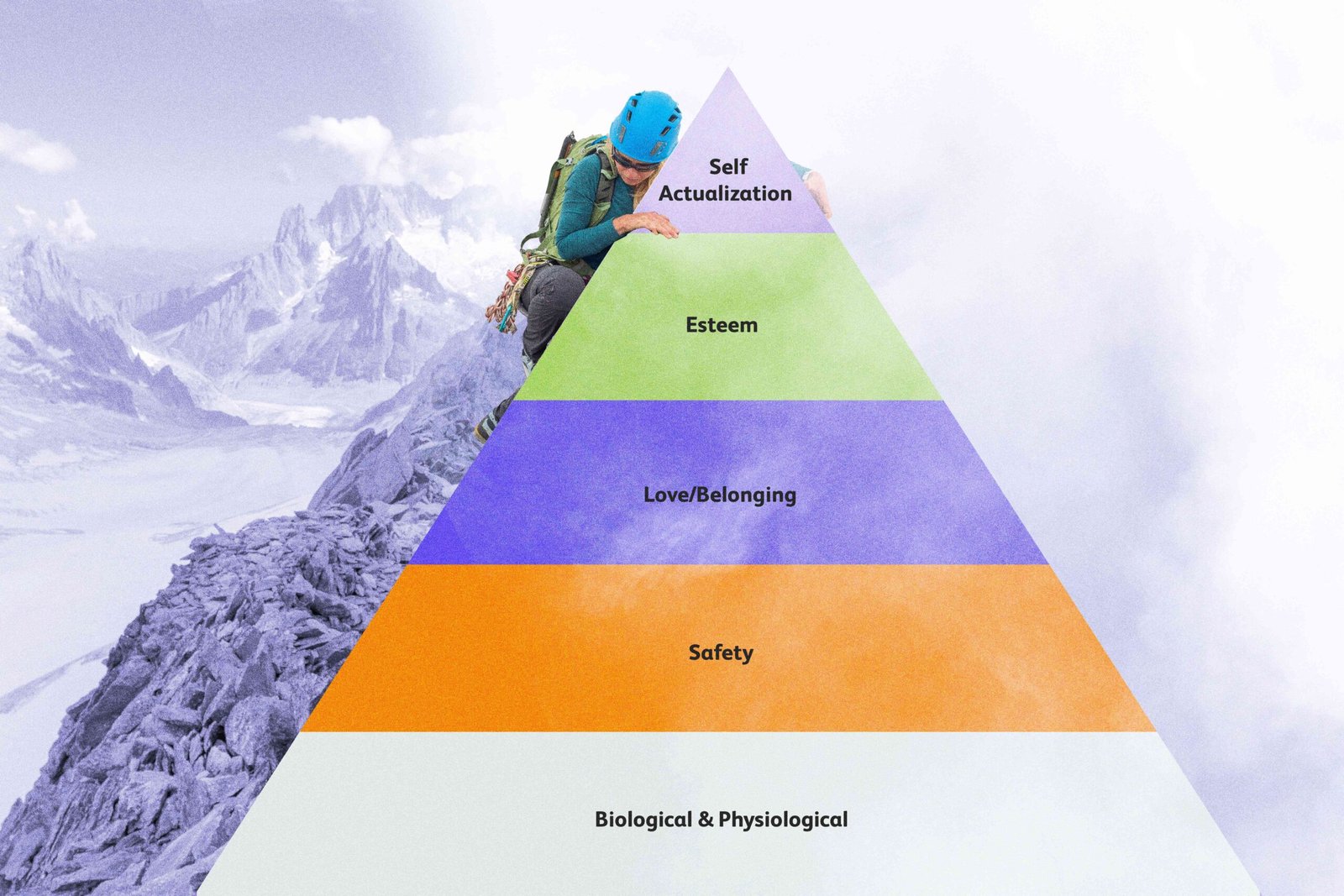
According to Abraham Maslow, an American psychologist, all of us have needs that range in hierarchy from:
- Physical needs: Air, water, food, shelter, sleep, etc.
- Safety needs: Security, employment, resources, etc.
- Emotional needs: Family, friendship, love, affection, etc.
- Esteem needs: Competence, prestige, power, etc.
- Spiritual needs: Self-actualization, meeting one’s full potential, etc.
It’s important to be aware of your physical, emotional, and psychological needs in order to live a healthy, balanced life, says Elizabeth Hughes, LPCC, a therapist at ADHDAdvisor.
Failing to meet your needs can result in significant dysfunction and a decline in overall health, says Helene D’Jay, MS, LPC, Executive Director of Young Adult Services, Newport Healthcare Connecticut.
Physical Needs
Not meeting your basic physical needs can affect not only your mental and emotional state but also your health. Here are some signs and symptoms to look out for:
- You’re always tired: If you frequently find yourself feeling tired, it may be a sign that you’re not getting enough sleep or nutrition.
- You fall sick often: Your immune system takes a hit when you’re not eating or sleeping properly, leading to frequent colds, headaches, or other ailments.
- You’re cranky and moody: If you’re feeling unusually irritable or moody, it might be due to lack of sleep. Even hunger can affect your mood, making you hangry.
- You’re stressed out: If you’re not getting enough rest, you may find yourself feeling more stressed out by the ups and downs of everyday life.
- You’re struggling to concentrate: Struggling to focus or experiencing brain fog could be due to dehydration, poor diet, or lack of physical activity.
- You’re craving junk food: When you aren’t getting the nutrients your body needs, you may find yourself craving junk food or overeating, as your body tries to compensate for the deficiency.
- Your weight is fluctuating: Significant and unexplained changes in weight—whether gain or loss—can be a sign that you’re not balancing your diet or activity levels properly.
- You’re experiencing aches and pains: Persistent pain, particularly in the back, neck, or joints, can be a sign that your lifestyle is too sedentary and you’re not getting enough physical activity.
- Your mobility and muscle strength are declining: If you realize you aren’t moving as much as you’d like, you may also notice signs like a lack of mobility or a decrease in muscle strength, says Hughes.
Safety Needs
Feeling safe and secure is a fundamental human need. If these needs aren’t being met, you might experience some of the following signs:
- You’re constantly on edge: If you don’t feel safe in your environment or you’re uncertain about your future, you may find yourself constantly feeling anxious or on edge.
- You have trust issues: When your sense of security is compromised, you may struggle to trust people, even those close to you, which can lead to isolation or strained relationships.
- You avoid certain people or places: If certain places, people, or situations make you feel uncomfortable or unsafe, you may go out of your way to avoid them, even if it’s inconvenient or irrational.
- You’re experiencing paranoia: You may be excessively suspicious or mistrustful of others and find it hard to believe that they’re not trying to harm you in some way.
- You’re hyperalert: You may find it difficult to relax, constantly scanning your surroundings for potential threats, even in relatively safe situations. You may even find yourself getting startled easily.
- You’re not sleeping well: Whether it’s physical danger or financial insecurity, your concerns may keep you up at night, leading to insomnia or nightmares.
- You’re using substances: You may find yourself turning to alcohol or drugs to cope with your fears and anxieties.
Research shows that any threat to our safety needs, whether it’s our personal security, financial stability, or our health, affects our nervous system and is linked to a higher risk of mental health conditions such as anxiety, depression, phobias, and post-traumatic stress disorder (PTSD).
Emotional Needs
Not having your emotional needs met can make you feel deeply unhappy. As human beings, we require connection, belonging, and a sense of community, says D’Jay.
Here are some signs that can indicate you’re not feeling emotionally fulfilled:
- You’re not feeling seen: Most humans want to feel seen and heard, says Hughes. “If you’re leaving social situations and still feel lonely, misunderstood, or invalidated, it’s possible your social needs went unmet during that interaction.”
- You’re online a lot: If you’re spending more time on social media or texting instead of engaging in face-to-face interactions, it could be a sign that your in-person social needs aren’t being met.
- You’re always lonely: You might feel disconnected or alone, even when you’re surrounded by people, which is a sign that your emotional connections aren’t as deep or supportive as you need them to be.
- You’re emotionally exhausted: A constant sense of sadness, emptiness, or emotional exhaustion can indicate that you’re not receiving the love, support, or understanding you need.
- You feel numb: Eventually, you may detach from your emotions because they’re too painful to bear. It can feel like you’re just going through the motions, disconnected from your feelings and the world around you.
- You’re unable to express your emotions: Struggling to open up or express your feelings can be a sign that you’re not comfortable being vulnerable, possibly because your emotional needs have been neglected or dismissed in the past.
- You avoid intimacy: You might shy away from deep emotional connections or intimacy, either because you fear rejection or because you’ve become accustomed to not having your emotional needs met.
- You’re using unhealthy coping mechanisms: Turning to unhealthy habits like overeating, substance abuse, or excessive screen time might be one way of trying to fill the emotional void.
When emotional needs, such as love, security, and validation are unmet, it can manifest into psychological symptoms, such as anxiety, depression and emotional instability.
—
HELENE D’JAY, MS, LPC
Esteem Needs
When your esteem needs aren’t being met, it can affect your confidence and overall sense of self-worth. These are some common signs:
- You’re insecure: You may frequently feel insecure about your abilities, appearance, or worthiness.
- You’re very self-critical: You may constantly criticize yourself and put yourself down. The negative self-talk can have you doubting every decision you make and action you take.
- You need others’ approval: If you lack self-confidence, you may find yourself always looking for validation from others.
- You fear failure: You might shy away from new opportunities or challenges because you’re afraid of failure or don’t believe in your own potential.
- You feel worthless: Whether at work, in your relationships, or in social settings, you might feel like your efforts go unnoticed or unappreciated, leading to a sense of worthlessness.
- You compare yourself to others: If you frequently compare yourself to others and feel like you don’t measure up, it can be a sign that your need for respect and self-worth isn’t being fulfilled.
- You feel like a fraud: You may experience imposter syndrome and worry that others will discover you’re not as competent as they think, even if you have the skills and achievements to prove otherwise.
- You have difficulty accepting compliments: When your esteem needs aren’t met, you might struggle to accept compliments or positive feedback, dismissing them as insincere or undeserved.
- You resent others’ success: If you often feel resentful or jealous of others’ achievements, it might be because you’re not feeling successful or valued yourself.
Spiritual Needs
When your spiritual needs aren’t being met, it can leave you feeling adrift and unmotivated. Here are some signs that you’re seeking more:
- You’re unsure of your purpose: You might find yourself questioning the meaning of your life or feeling unsure about your purpose, which can make you feel lost and directionless.
- You’re restless: You may experience a persistent feeling of inner restlessness or dissatisfaction, as if something important is missing, even if everything seems fine on the surface.
- You lack inspiration: You may feel uninspired or creatively blocked, which can be extremely demotivating.
- You feel disconnected: You’re not feeling connected to something larger than yourself, such as a higher power, nature, or a sense of universal meaning, making you feel out of sync with the world around you.
- You’re not at peace: You may often experience anxiety, stress, or a sense of unease, and rarely have peace of mind.
- You’re feeling stagnant: You might feel like you’re stuck in a rut and not growing or evolving as a person.
- You struggle to find joy in everyday life: You might have trouble finding happiness or contentment in your life.
How to Identify What’s Missing
Finding what’s missing in your life can be a deeply personal journey, but here are some steps you can take to help you explore and discover what you might need:
- Reflect on your life: Take some time to reflect on your life and think about where the unhappiness or frustration is coming from. Are there specific areas—such as work, relationships, personal growth, or health—where you feel something is lacking?
- Identify gaps: Think about what’s missing from your daily life. Is it adventure, connection, motivation, or something else? What do you wish you had more of?
- Listen to your emotions: Pay attention to feelings of sadness, anxiety, or restlessness. These emotions can be clues that point you toward unfulfilled needs.
- Talk to your loved ones: Sometimes the people close to you can offer insights that you might not see yourself. Ask your loved ones for feedback about areas where they see you struggling or unfulfilled.
- Try new things: Try new activities, explore different hobbies, or take on challenges outside your comfort zone. Sometimes, discovering what’s missing comes from trying something new.
- Take small steps: You don’t have to drastically change your life overnight. Start with small steps towards fulfilling your needs, and gradually build on them as you move forward.
- Be patient with the discovery process: Finding out what’s missing can be a process that takes time. Be patient and kind with yourself as you explore different aspects of your life.
- Consider professional help: If you’re having difficulty figuring out what’s missing, a therapist or life coach can help you explore your feelings and understand your needs.
Get Help Now
We’ve tried, tested, and written unbiased reviews of the best online therapy programs including Talkspace, BetterHelp, and ReGain. Find out which option is the best for you.
Keep in Mind
Recognizing when your needs aren’t being met is an important first step toward living a happier and more fulfilled life. By paying attention to the signs and taking proactive steps to address them, you can work toward the life you want for yourself.
Remember, it’s okay to seek help from friends, family, or professionals along this journey. Your needs are valid, and it’s important to prioritize them.
“Meeting our fundamental needs is critical for sustaining our overall health and well-being,” says D’Jay. “Properly addressing these needs allows us to function at optimal levels, achieve our personal and professional goals, and cultivate healthy relationships.”
Verywell Mind uses only high-quality sources, including peer-reviewed studies, to support the facts within our articles. Read our editorial process to learn more about how we fact-check and keep our content accurate, reliable, and trustworthy.
American Psychological Association. Maslow’s motivational hierarchy.
Coakley KE, Cargas S, Walsh-Dilley M, Mechler H. Basic needs insecurities are associated with anxiety, depression, and poor health among university students in the state of New Mexico. J Community Health. 2022 Jun;47(3):454-463. doi:10.1007/s10900-022-01073-9
National Library of Medicine. Fatigue.
Centers for Disease Control and Prevention. Preventive actions to help protect against flu.
Vandekerckhove M, Wang YL. Emotion, emotion regulation, and sleep: An intimate relationship. AIMS Neurosci. 2017 Dec 1;5(1):1-17. doi:10.3934/Neuroscience.2018.1.1
Swami V, Hochstöger S, Kargl E, Stieger S. Hangry in the field: An experience sampling study on the impact of hunger on anger, irritability, and affect. PLoS One. 2022 Jul 6;17(7):e0269629. doi:10.1371/journal.pone.0269629
Morales J, Yáñez A, Fernández-González L, Montesinos-Magraner L, Marco-Ahulló A, Solana-Tramunt M, Calvete E. Stress and autonomic response to sleep deprivation in medical residents: A comparative cross-sectional study. PLoS One. 2019 Apr 4;14(4):e0214858. doi:10.1371/journal.pone.0214858
Fikrie A, Yalew A, Anato A, Teklesilasie W. Magnitude and effects of food cravings on nutritional status of pregnant women in Southern Ethiopia: A community-based cross sectional study. PLoS One. 2022 Oct 13;17(10):e0276079. doi:10.1371/journal.pone.0276079
St. John’s Medical Center. Sedentary behavior and joint pain.
Gu Y, Gu S, Lei Y, Li H. From uncertainty to anxiety: How uncertainty fuels anxiety in a process mediated by intolerance of uncertainty. Neural Plast. 2020 Nov 22;2020:8866386. doi:10.1155/2020/8866386
Freeman D, Loe BS. Explaining paranoia: Cognitive and social processes in the occurrence of extreme mistrust. BMJ Ment Health. 2023 Nov;26(1):e300880. doi:10.1136/bmjment-2023-300880
Smith NA, Voisin DR, Yang JP, Tung EL. Keeping your guard up: Hypervigilance among urban residents affected by community and police violence. Health Aff (Millwood). 2019 Oct;38(10):1662-1669. doi:10.1377/hlthaff.2019.00560
Faccini J, Joshi V, Graziani P, Del-Monte J. Non-constructive ruminations, insomnia and nightmares: Trio of vulnerabilities to suicide risk. Nat Sci Sleep. 2022 Mar 15;14:433-441. doi:10.2147/NSS.S339567
Zheng Z, Gu S, Lei Y, Lu S, Wang W, Li Y, Wang F. Safety needs mediate stressful events induced mental disorders. Neural Plast. 2016;2016:8058093. doi:10.1155/2016/8058093
Thanks for your feedback!
What is your feedback?
Helpful
Report an Error
Other
