

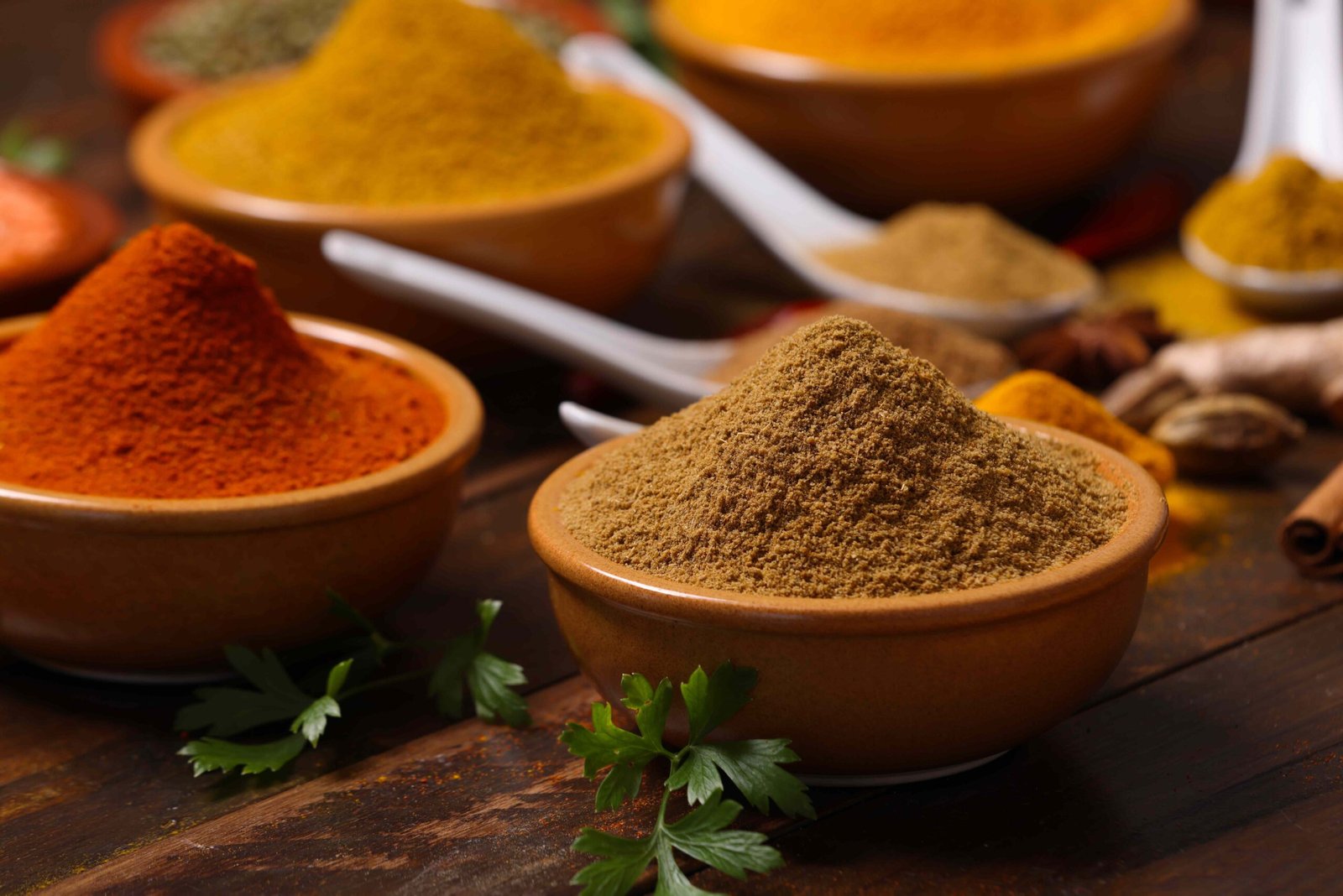
Using a variety of spices in your cooking makes dishes taste great—but spices can also provide benefits for your health, too. Here are four spices to add to your meals for a flavor and nutrition boost.
stockforliving / Getty Images
Turmeric has a history of use that stretches back to ancient times. It contains curcumin, a naturally-occurring substance that gives turmeric its color. Curcumin has also been linked to a range of health benefits, including:
- Anti-inflammatory effects: Curcumin, or turmeric as a whole, may reduce inflammation, which is the body’s immune response and a factor in chronic disease. Multiple studies have found that curcumin supplements can reduce pain and inflammation in people with osteoarthritis or other joint conditions.
- Antioxidant effects: Turmeric contains antioxidants that can help reduce oxidative stress—this is a phenomenon in the body where there are high levels of cell-damaging compounds called free radicals. Consuming curcumin and other antioxidants can eliminate oxidative stress, preventing cancer and certain chronic diseases.
- Possible boost in brain function: In a 2018 study, researchers found taking 90 milligrams of curcumin extract for 18 months improved participants’ scores on attention and memory tests. Curcumin is also being investigated as a potential treatment for easing Alzheimer’s disease symptoms.
- Potential for better heart health: In several studies, curcumin supplements helped people control low-density lipoprotein (LDL), or “bad,” cholesterol levels. With its potential to reduce risk factors for heart disease—along with its antioxidant and anti-inflammatory properties—turmeric may reduce help improve heart health.
- Fewer depression symptoms: Some evidence suggests this spice could help reduce stress, and by extension, ease some symptoms of depression. However, studies investigating this link are limited and look at different dosages and formulations of curcumin, so more research is needed.
Valentyna Yeltsova / Getty Images
Ginger has been used for medicinal reasons since ancient times. It contains gingerol, a plant compound associated with:
- A reduction in nausea: A number of animal studies have shown that gingerol and other compounds in ginger can help prevent vomiting. Other research concluded ginger can be helpful in preventing nausea and vomiting related to pregnancy and chemotherapy. This is because gingerol may boost digestion and gastric emptying, or the body’s movement of food from the stomach to the small intestine.
- Antioxidant and anti-inflammatory effects: The compounds in ginger can help limit inflammation and oxidative stress caused by free radicals around the body. This can lead to a number of health benefits, including a healthier immune system.
- Improvement in heart disease risk factors: Ginger supplements may be able to improve cholesterol levels and help people manage their weight, lowering the risk of cardiovascular disease in the process.
MSPhotographic / Getty Images
Garlic is one of the most versatile seasonings out there, but several compounds in garlic also health-promoting properties. These have been linked with several potential benefits:
- Antioxidant properties: Garlic is rich in antioxidants, so it may help alleviate cell damage from oxidative stress.
- Immune boost: Owing to their anti-inflammatory properties, garlic supplements may improve immune system function.
- Healthier cholesterol concentrations: Multiple studies found garlic supplements helped manage cholesterol levels, which can help people protect their heart health.
- Lower blood pressure: A 2018 study found eating raw, crushed garlic twice daily for four weeks led to improvements in blood pressure readings. Researchers have found similar results when studying garlic powder or garlic extract.
bhofack2 / Getty Images
Derived from the Cuminum cyminum plant, cumin is a spice that’s high in antioxidants and has antimicrobial properties. It has been used in traditional medicine for centuries. The potential health benefits of adding it to your diet include:
- Antioxidant properties: The antioxidant properties of this spice may reduce cell damage from oxidative stress.
- Cholesterol management: Research has shown that cumin supplementation can help people control their total cholesterol and LDL (or “bad”) cholesterol levels. Another study noted a decrease in triglycerides (fats in the body) and LDL cholesterol after participants limited carbohydrates and drank cumin-infused tea.
- Blood sugar improvements: A 2026 review suggested that, for people with metabolic conditions, cumin supplements can help improve fasting blood sugar levels (a measure that’s usually elevated in people with diabetes).
- Weight loss: Cumin may be help people maintain a healthy weight. Research is very limited, but some studies have linked the spice to reductions in waist circumference or body mass index.
Consuming small amounts of these spices, like you would from cooking, is generally considered safe. However, taking high doses could lead to side effects. Here’s how much you can ingest and what to keep in mind with each spice:
- Turmeric: People tolerate doses of up to 8,000 milligrams of turmeric per day—however, high doses can cause stomach upset, nausea, diarrhea, and in some cases, liver damage. Its safety during pregnancy is unknown.
- Ginger: Take no more than 4 grams of ginger each day. Consuming more can cause heartburn, diarrhea, and abdominal discomfort. In rare cases, abnormal heartbeat (arrhythmia) and low blood pressure have been reported.
- Garlic: There are no firm guidelines for daily consumption, though garlic supplements—which contain more garlic than you’d normally consume in your daily diet—aren’t recommended during pregnancy. High amounts of garlic can lead to gas, nausea, stomach pain, and a strong body odor.
- Cumin: There aren’t any firm guidelines on how much cumin is safe to consume daily. In some studies, participants have been given up to 5 grams daily, which is a bit less than two teaspoons, and no side effects were generally reported. However, it’s possible for cumin to interact with certain medications or impact blood sugar, so it’s best to keep doses low.
