

Sipping a warm bowl of soup isn’t just comforting when you’re sick—it could also have real health benefits. Research shows that certain soups support immune health and may soothe symptoms of upper respiratory tract infections.
rez-art / Getty Images
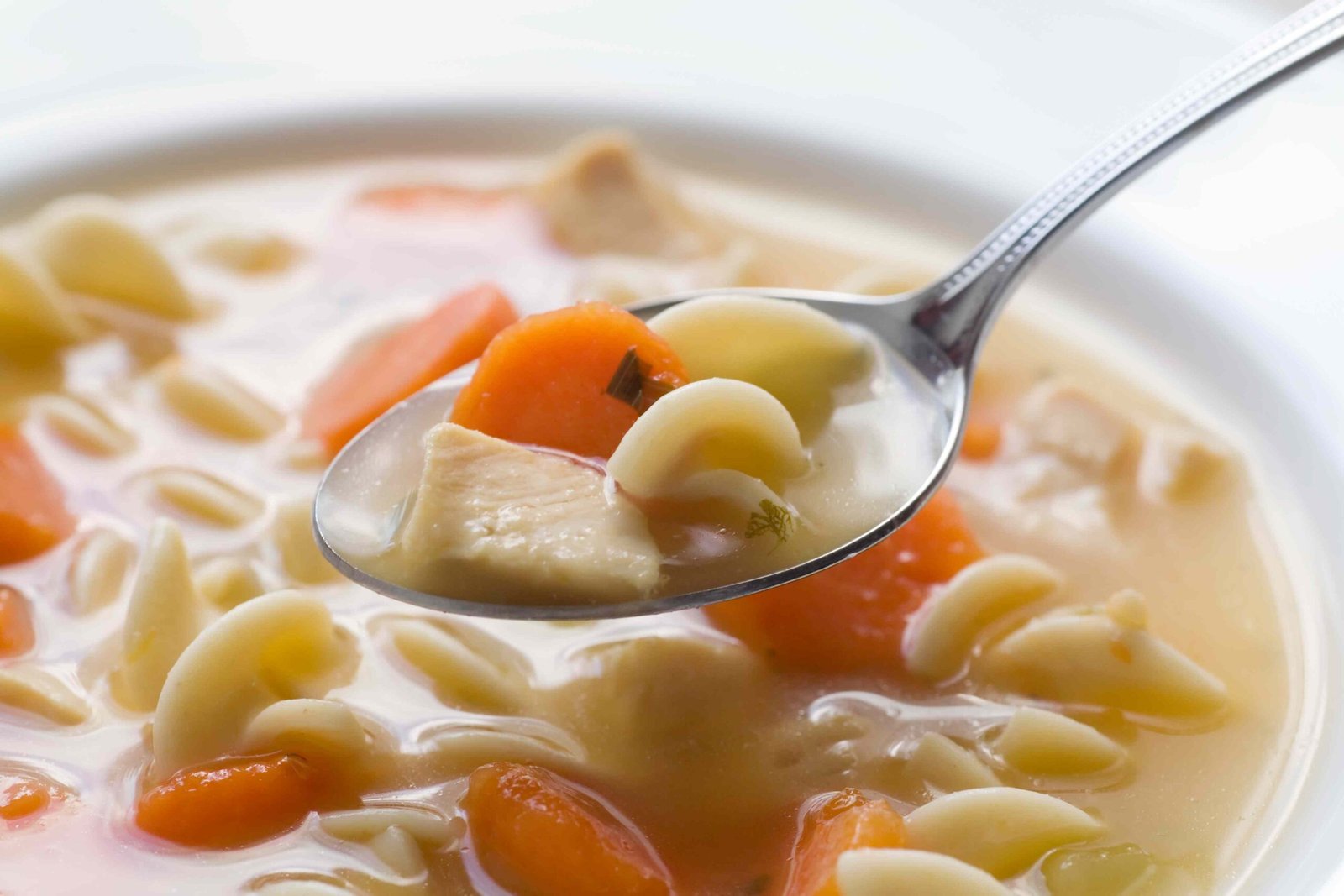
It’s a classic for a reason. If you’re craving chicken noodle soup when you’re sick, go ahead and heat some up. It offers several health benefits and may help you feel better sooner.
Eating soup when you are sick is hydrating. You may not feel well enough to eat a full meal, so consuming water and electrolytes from soup is nourishing.
Chicken noodle soup is also rich in protein, thanks to the chicken. Your body needs protein for immune system function when you’re fighting an infection. The vegetables in chicken noodle soup provide vitamins A and C to boost immune function and reduce inflammation.
Enjoying chicken noodle soup when you have a cold or other respiratory infection may shorten your symptoms by one or two days. Inhaling the steam from your warm bowl may reduce congestion and help you breathe more easily. More research is needed to say for certain just how much chicken noodle soup can help, though
Yuuji / Getty Images
When you’re craving a hearty soup with a bit of heat, reach for Japanese miso soup. It’s made with dashi (soup stock) and miso paste. Japanese miso soup is flavorful and packed with healthy nutrients. Most recipes also call for tofu, green onions, and seaweed.
Miso paste is made with fermented beans and is rich in probiotics. A 2022 review found that consuming a probiotic-rich diet can prevent acute upper respiratory tract infections. Japanese miso soup could become a tasty part of your winter routine for an immune boost.
Miso paste also has antioxidant and anti-inflammatory properties. When making miso soup, add the miso paste last after removing the pot from the heat. High temperatures can kill the live bacteria that make up probiotics.
Ginger garlic soup is a comforting, flavorful soup made with fresh ginger, garlic, noodles, and vegetables like bok choy, carrots, or cabbage. Both ginger and garlic have anti-inflammatory properties. Temporary inflammation is a regular part of the immune response when you are sick. However, chronic inflammation can lead to severe health conditions. So the soup can help not just when you’re sick, but all the time.
Both spices in the soup also have antiviral and antimicrobial properties, helping your immune system fight infection. Garlic contains compounds that may boost immune cell function and reduce inflammation. Ginger contains compounds that inhibit the production of proteins needed for inflammation.
Anastasiya Larionova / Getty Images
Minestrone is an Italian soup made with vegetable broth, noodles, and vegetables, such as carrots, peas, onions, and spinach. It is rich in vitamin C, antioxidants, and fiber. Consuming a diet rich in vegetables and plants is a proven way to boost immune system function and protect yourself from infection.
Like chicken noodle soup, minestrone is hydrating, and smelling the broth may loosen mucus and relieve congestion. Consider making a large batch when you feel yourself coming down with a cold or other infection.
Soup is a hydrating and nourishing food to eat when you’re sick. Many types of soup can provide some relief and comfort when you’re under the weather. When choosing a soup to eat when sick, consider the following:
- Broth: Choose soups with clear broth, such as minestrone and chicken noodle. Avoid cream-based soups, such as potato or broccoli cheddar.
- Vegetables: Opt for soups with plenty of antioxidant-rich vegetables to help reduce inflammation and give your immune system the vitamins it needs to function well.
- Taste: It is normal to lose your appetite when you’re sick. To avoid dehydration, choose soups that you like so you’re more encouraged to eat and drink.
