

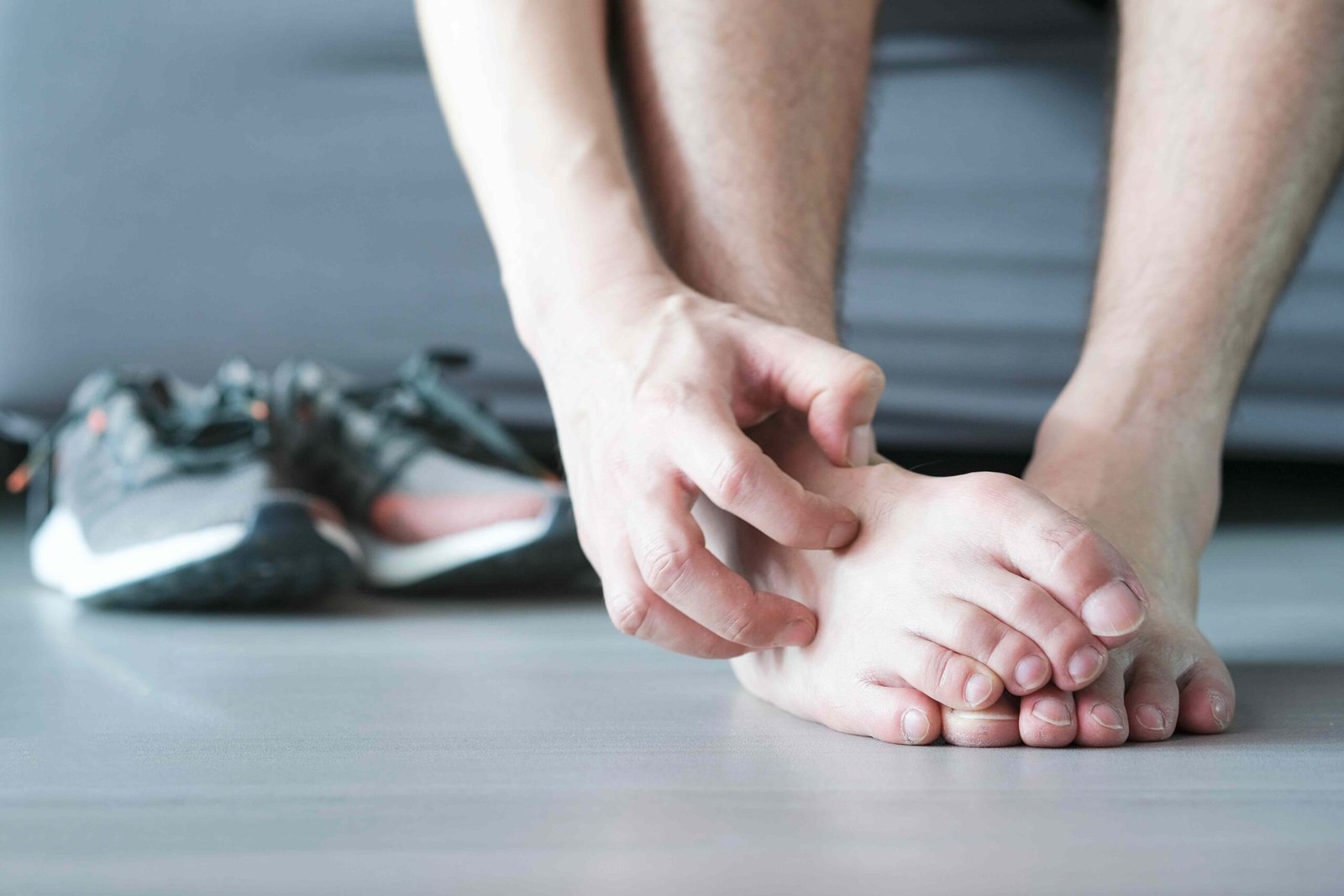
Athlete’s foot (tinea pedis), a type of ringworm, is a fungal skin infection that affects the feet. Mild symptoms include red, itchy, scaly patches on the surface of the skin. Sometimes, the fungus can also infect the toenails, causing discoloration, breakage, and other texture changes. If you’re exposed to ringworm, you may start to notice symptoms about four to 10 days later.
Visible skin changes are one of the most common signs of athlete’s foot. These changes can affect any part of your foot, including the top and sides, the sole, the heel, and the skin between your toes. One or both feet may be affected.
People with athlete’s foot may have the following symptoms:
- Redness
- Irritation
- Dry or flaky, scaly skin.
- Peeling or cracking
- Blisters
In some cases, people may experience:
- Skin lightening
- Soft or squishy skin between the toes
- Skin thickening on the soles or sides of the feet
Burak Karademir / Getty Images
sruilk / Getty Images
Burak Karademir / Getty Images
An itchy, burning, or stinging sensation in affected areas is common with athlete’s foot. The itching may be mild or intense enough to cause frequent scratching, which can lead to rawness and further irritation.
This is also sometimes the cause of pain associated with athlete’s foot. Although the condition itself isn’t typically painful, raw or blistered skin can lead to pain and swelling. Secondary skin infections—like if a blister is exposed to bacteria and gets infected—can also cause painful symptoms. However, even without a secondary infection, athlete’s foot symptoms can be painful if the infection is prolonged or severe.
Athlete’s foot can spread from surrounding skin to the toenails, causing a fungal infection in the nail bed or plate (onychomycosis). The fungus from athlete’s foot is the most common cause of this type of nail infection.
Onychomycosis results in several noticeable nail changes. The nail may become thicker than normal; change color; and be more prone to breakage, splitting, and crumbling. Typically, the first sign is thickening skin under the nail or the nail bed. From there, the rest of the nail thickens, becomes discolored, and then may either crumble or lift away from the nail bed completely.
Over time, untreated athlete’s foot that affects the toenails can cause you to have less nail surface than normal. This is because athlete’s foot causes toenails to break or separate from the nail bed, so they can’t properly regrow due to fungal overgrowth.
Some people with athlete’s foot may notice an odor. This is caused by the overgrowth of fungus on the skin. The odor associated with athlete’s foot isn’t typically as strong as other foot infections, such as yeast-related infections. However, you may still notice a foul smell or bad odor if you have had athlete’s foot for some time.
Athlete’s foot is contagious and spreads easily in certain environments, particularly warm, dark, and damp areas. In fact, the term athlete’s foot comes from its prevalence among athletes, who spend a lot of time walking barefoot in locker rooms, shared bathrooms or showers, and around swimming pools.
Athlete’s foot spreads when uninfected skin comes into contact with infected skin. It can also spread if uninfected skin comes into contact with items or surfaces contaminated with the fungus, like shoes and socks, bath towels, and showers or tubs. Unlike some other types of infections, the fungus that causes athlete’s foot can survive on objects and surfaces for a long time. It can take several days or weeks of treatment to clear all the fungus from your skin.
If you have athlete’s foot, you can spread the fungus to yourself or others until the infection completely clears and your symptoms disappear. In the meantime, you can help prevent the spread of athlete’s foot if you:
- Practice good hygiene, including washing your hands after applying antifungal treatments to the affected area.
- Keep affected areas clean and dry.
- Shower after exercising or doing other activities that cause sweating.
- Avoid sharing personal care items, like towels and razors.
- Wear waterproof shoes in public bathing or swimming areas.
- Wash all items that come into contact with the affected area in hot, soapy water.
- Disinfect or discard any footwear that can’t be washed in the washing machine.
Generally, athlete’s foot isn’t a serious condition and doesn’t require immediate care from a healthcare professional. If your infection is mild, you may be able to use over-the-counter antifungal treatments like Monistat-Derm (miconazole), Terbinex (terbinafine), and Lotrimin AF (clotrimazole) to eliminate it.
However, more serious infections or infections left untreated for a long time may require prescription medications. If you’re treating your athlete’s foot at home but your symptoms don’t improve within two weeks or symptoms go away and return, you should see a healthcare provider.
Complications of athlete’s foot are uncommon but can happen. Complications are usually more likely in people with diabetes or other health conditions that weaken the immune system. Frequently scratching irritated, cracked, or peeling skin exposes you to bacteria, which may lead to a secondary skin infection. If your skin is red, swollen, hot to the touch, very painful, or has any pus or discharge, you should see a healthcare provider as soon as possible.
Athlete’s foot is a common fungal infection that affects the feet, causing itching, burning, rash, and peeling. It may also affect the toenails, causing color and texture changes and breakage.
Athlete’s foot is highly contagious and spreads easily in warm, dark, damp environments like locker rooms, bathrooms, and swimming pools. You can prevent the spread of athlete’s foot by practicing good hygiene, keeping your feet clean, dry, and covered when spending time in public places, and avoiding sharing personal care items like towels and nail clippers.
You can treat mild athlete’s foot at home. However, if you have more severe symptoms, you should reach out to your healthcare provider for additional treatment.
