

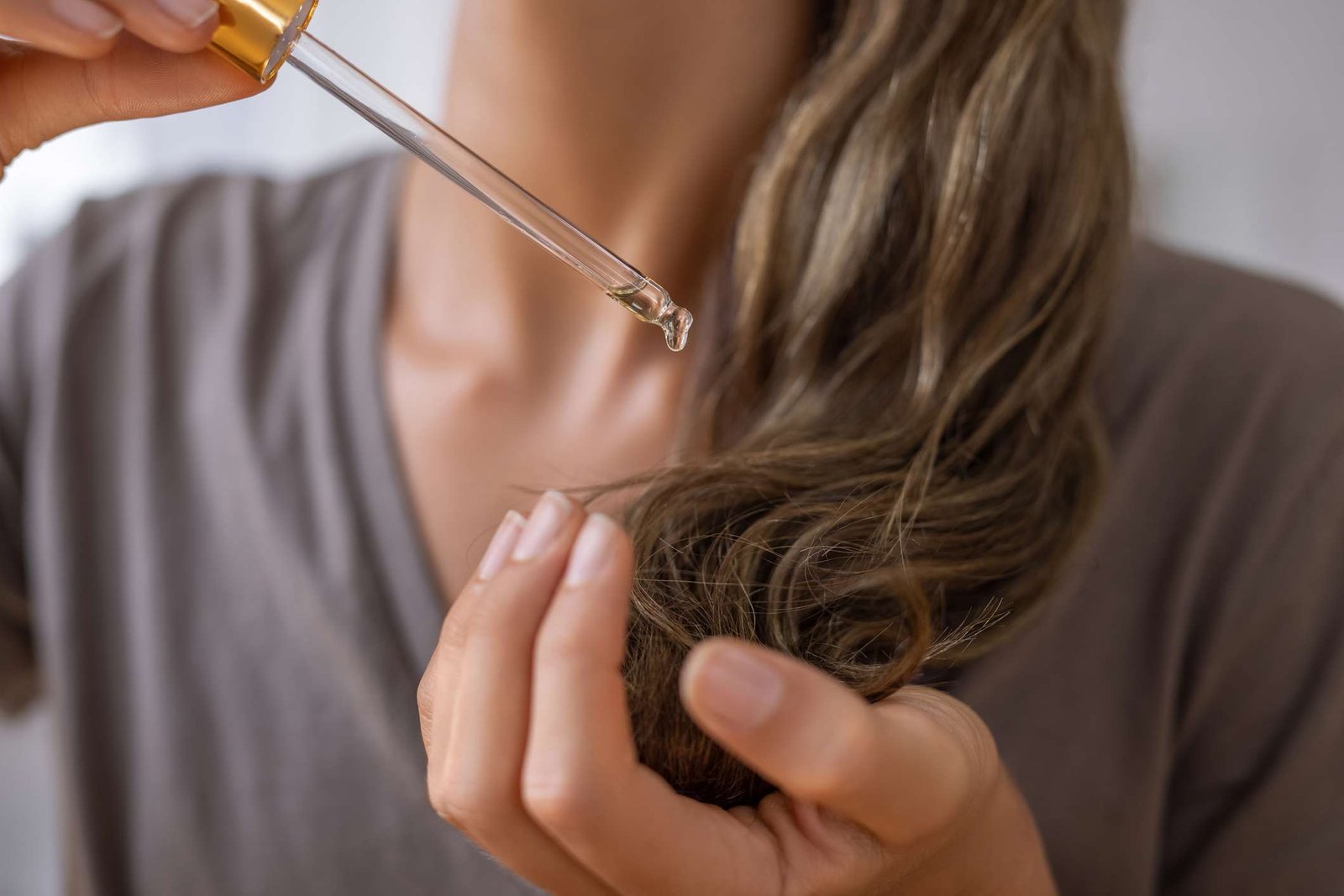
Castor oil comes from the seed of the Ricinus communis plant. It has long been used in traditional medicine for its anti-inflammatory, antibacterial, and laxative effects. Many people also use castor oil as a natural way to achieve shiny, healthy hair.
Ricinoleic acid, a primary compound in castor oil, has a moisturizing effect that can benefit both the scalp and hair. The fatty acids in the oil penetrate the hair follicles, bringing deep hydration to the hair shaft. This can help give the hair more luster and shine, making it appear fuller and healthier.
Common scalp conditions, such as scalp folliculitis (inflamed hair follicles) or tinea capitis (scalp ringworm), are often bacterial or fungal infections.
Compounds in castor oil, including ricinoleic acid, have been shown to have antifungal and antimicrobial properties. This can help prevent the invasion or overgrowth of fungus or bacteria on the scalp, avoiding infections and irritation.
Castor oil may help prevent hair loss and encourage hair growth.
Some research shows ricinoleic acid in castor oil can block a compound called prostaglandin D2 synthase (PGD2), which is a primary mechanism in male-pattern baldness. PGD2 shrinks hair follicles and shortens the hair growth (anagen) phase while lengthening the resting (telogen) phase. So, blocking PGD2 could help maintain the normal hair growth cycles.
Animal-based studies have also reported increased hair length and thickness after using topical ointments containing castor oil.
Castor oil’s moisturizing properties can also prevent dryness-induced breakage and hydrate the hair shafts, making hair appear fuller overall.
There are a few potential drawbacks to consider when using castor oil for hair health:
- Irritation: Applying castor oil to the scalp may cause allergic contact dermatitis, a skin reaction causing itching and redness, especially in people with sensitive skin. If it’s your first time using castor oil, do a small patch test on the inside of your wrist before applying it all over your scalp.
- Hair felting: In rare cases, castor oil has been linked to hair felting, a disorder that causes hair on the scalp to become very tangled and matted. Treatment typically involves cutting off the matted hair.
- Poor product quality: When buying castor oil, look for a 100% castor oil product from a reputable brand to avoid potentially harmful contaminants or additives.
