

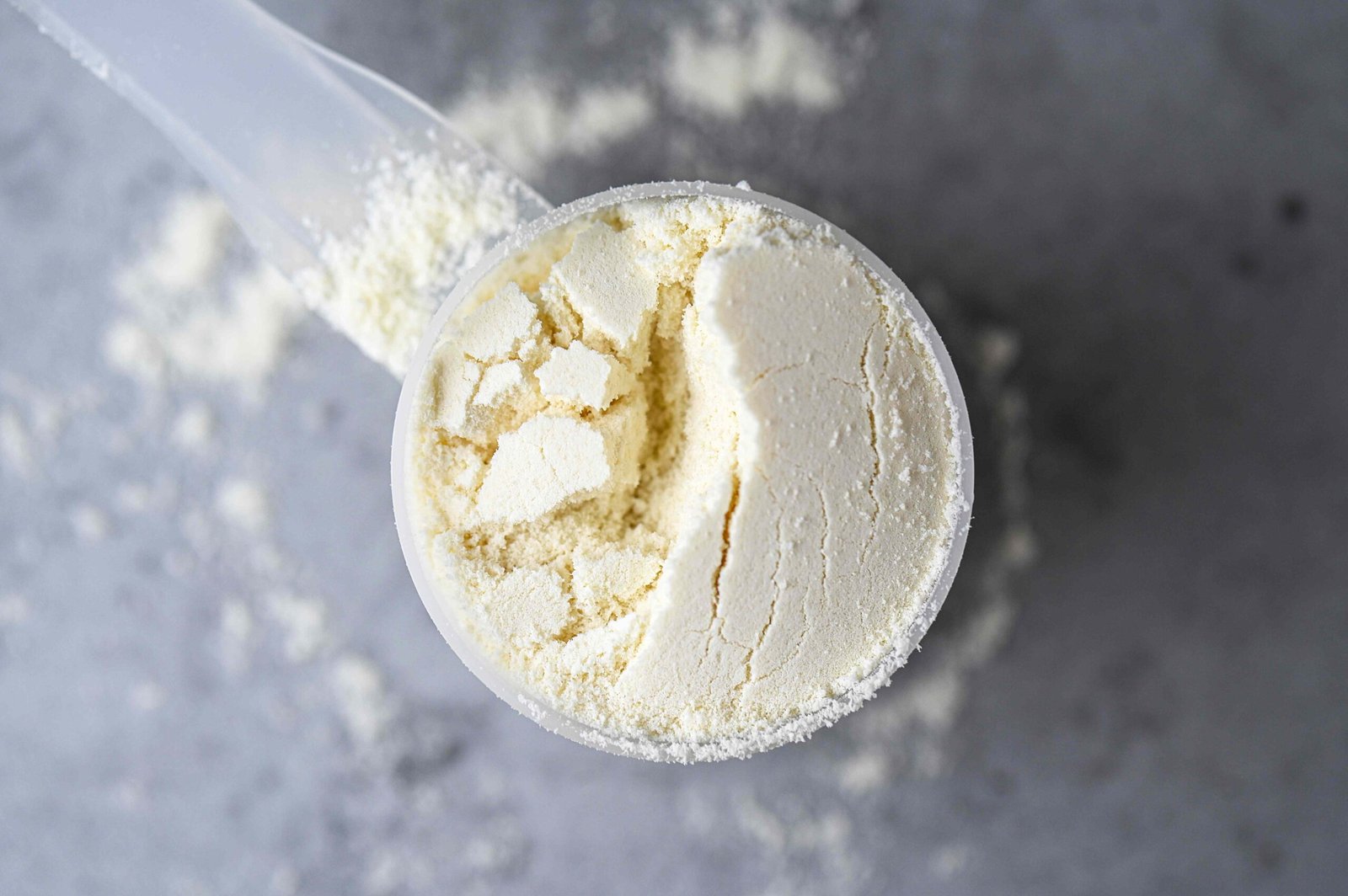
You might gain weight on creatine due to increased water retention in your muscles. Most gains are temporary and affect body weight only slightly. Some people may gain muscle mass.
Creatine is mainly linked with weight gain because it causes water retention in muscle tissue.
Creatine is an “osmotically active” substance, which means when creatine levels rise in muscle cells, water is pulled into the cells. This results in water retention and a small increase in overall weight.
Not everyone experiences this water retention, but creatine supplements might increase total body water (TBW), which can affect overall body weight.
Creatine may increase muscle mass when combined with resistance exercise. Gaining muscle mass increases your body weight, but this is a common goal for people taking creatine.
Creatine can help you lose body fat, leading to a potentially healthier overall body composition. Combining resistance training and creatine supplements produces the greatest effects.
Here are some tips for managing and reducing the risk of weight gain from creatine:
- Use lower doses for longer periods: Water retention is more likely with higher “loading” doses of creatine (20-25 grams for five to seven days). Consuming 3-5 grams of creatine per day for at least four weeks is recommended to prevent this.
- Understand that weight gain is temporary: Some people may experience temporary weight gain, but this usually only lasts for the first few days of taking a loading dose.
- Reduce your sodium intake: Consuming too much salt can cause water retention, which may lead to weight gain.
- Stay hydrated: Drinking water throughout the day helps keep your body hydrated and promotes urination, which can help get rid of excess fluid.
Creatine has been linked to increased muscle mass and strength, reduced body fat, and improved athletic performance.
When combined with resistance training, creatine increases muscle growth, especially in younger people. Creatine has also been shown to improve exercise capacity, strength, and recovery.
Creatine may also support blood sugar control and brain health. Emerging research suggests it can specifically improve memory, attention, and mood.
Your body makes creatine from the amino acids lysine, arginine, and methionine. Creatine is also found in foods like meat and fish.
Creatine is primarily stored in the body as creatine phosphate, the main fuel source used to replenish adenosine triphosphate (ATP) in cells. ATP is a molecule that fuels processes like muscle contraction and nerve function.
Maintaining optimal creatine levels is important for cellular function, including muscle cells. Supplements increase the level of creatine in muscle cells. Water retention in muscles also causes muscle cell swelling, which can stimulate muscle growth.
Your body produces about half of your daily needs for creatine. The rest must be obtained by eating foods rich in creatine or using supplements.
