

Turmeric—and its active ingredient, curcumin—is a powerful anti-inflammatory agent with the potential to treat various conditions, including arthritis, psoriasis, and other inflammatory diseases. Turmeric is available in supplement form, but you can also add it to your diet by using it in sweet and savory dishes.
Golden milk, or haldi doodh in India, is a soothing drink made with milk, ground turmeric, and spices like ginger and black pepper.
Enjoy it anytime as a caffeine-free alternative to coffee or a calming pre-bedtime drink. To make golden milk, mix 1 teaspoon of ground turmeric into 1 cup of warm milk or plant-based milk. Add black pepper, ginger, and honey to taste.
Turmeric tea is a simple and delicious way to incorporate this spice into your diet.
To make it, combine half a teaspoon of turmeric, 2 tablespoons of lemon juice, and 2 teaspoons of honey with 2 cups of water. Boil the mixture, then let it cool before sipping.
A pinch of black pepper can boost the absorption of curcumin, turmeric’s main active ingredient.
Curry is a dish made with a sauce heavily seasoned with spices, like turmeric. There are many types of curry, some made with vegetarian ingredients like vegetables and beans and others with animal proteins, like chicken and lamb.
Curries are easy to make and versatile. People who regularly eat curry are more likely to live longer, healthier lives.
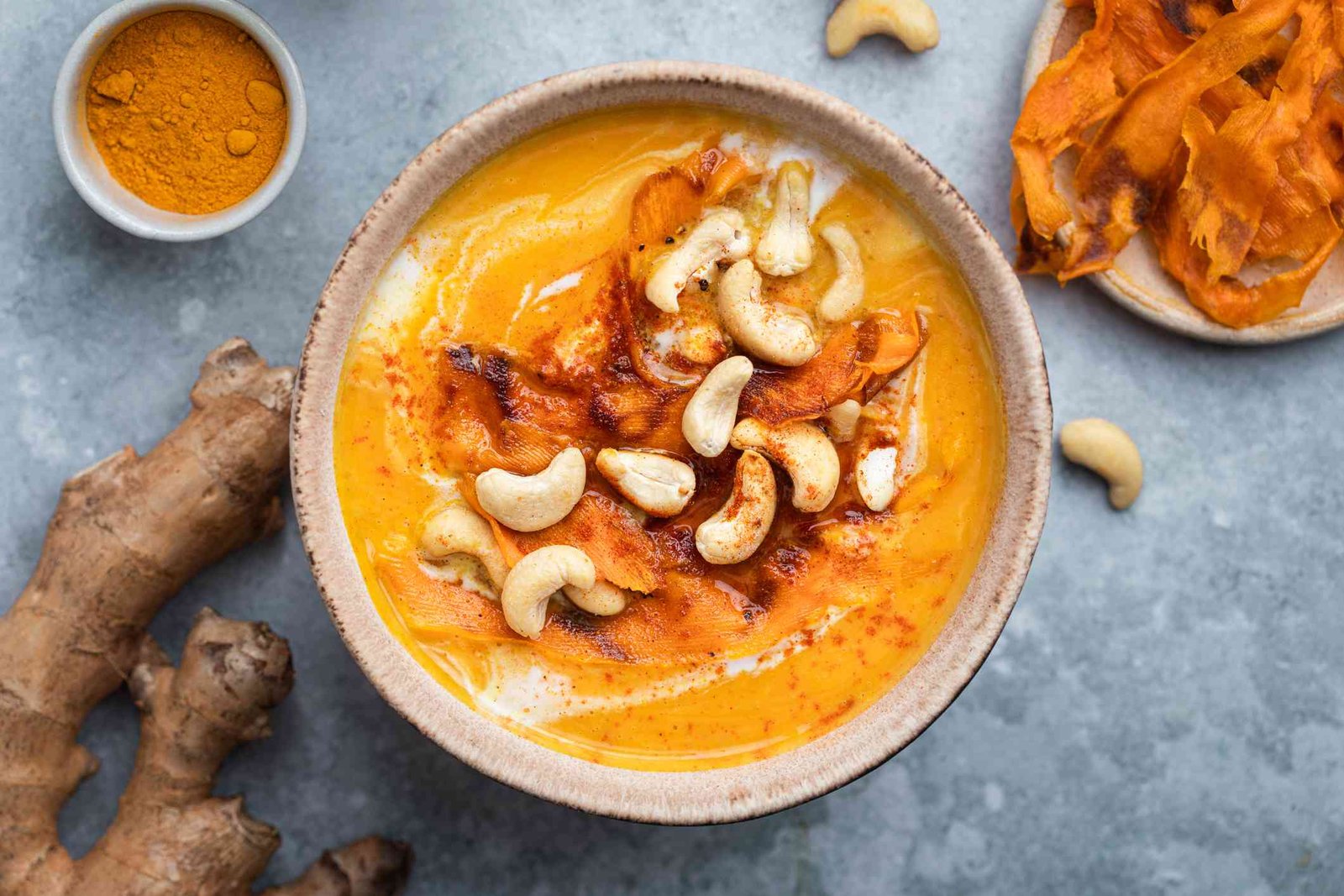
Add turmeric to soups for extra flavor and health benefits.
Stir a few teaspoons into savory soups like chicken, butternut squash, and lentil. It’s also tasty in homemade bone broth.
Try adding turmeric to homemade dressings and marinades.
For a simple salad dressing, mix half a cup of olive oil, a quarter cup of apple cider vinegar, 2 teaspoons of honey, 1 teaspoon of ground turmeric, half a teaspoon of ground ginger, and a pinch of salt in a glass bowl.
Enjoy your turmeric dressing on green salads, or use it as a marinade for chicken and fish.
Incorporate turmeric into baked goods like cakes and sweet breads. Turmeric pairs well with citrus flavors, like lemon and orange.
Sfouf is a traditional Lebanese cake made from semolina flour, ground turmeric, sugar, sesame paste, anise, and pine nuts.
A dash of turmeric enhances rice dishes with flavor, color, and nutrition.
Indian yellow rice, often served with curry and dal, is made by simmering basmati rice with oil or ghee, garlic, onion, turmeric, and cinnamon.
Fold turmeric into scrambled eggs or add the spice to frittatas, omelets, and quiche.
To make turmeric egg salad, mash four hard-boiled eggs with 2 tablespoons of mayonnaise, 1 teaspoon of mustard, half a teaspoon of turmeric, and a dash of salt and pepper. Top your egg salad with freshly chopped chives for added flavor and garnish.
Add turmeric to smoothies to easily increase your intake of this anti-inflammatory spice.
For a creamy turmeric smoothie, blend 1 cup of milk or dairy-free milk, 1.5 cups of frozen pineapple chunks, 1 banana, half a teaspoon of ground or 1 teaspoon of freshly grated turmeric, and 1 teaspoon of fresh grated ginger until smooth.
Wellness shots are concentrated drinks made with juices, herbs, and spices. You can make turmeric wellness shots at home using just a few simple ingredients.
To make orange turmeric wellness shots, blend 1 peeled orange, half a cup of water, a 1-inch piece of fresh ginger, a 1-inch piece of peeled and grated turmeric root, and 1 teaspoon of honey in a high-speed blender until smooth.
Strain the mixture and store it in glass jars in your refrigerator. Take a shot whenever you need a nutritious boost.
Turmeric adds vibrancy, flavor, and health benefits to vegetables.
For turmeric-roasted vegetables, toss fresh vegetables like cauliflower, broccoli, and carrots with a mix of turmeric, black pepper, cumin, salt, and olive oil until coated. Roast until tender for a simple side dish.
Adding more nuts to your diet could improve your health in several ways, such as decreasing heart disease risk factors, including high levels of low-density lipoprotein (LDL or “bad”) cholesterol and triglycerides.
To make sweet and salty turmeric-roasted nuts at home, combine 4 cups of mixed nuts with 2 tablespoons of maple syrup, 2 tablespoons of melted coconut oil, 2 teaspoons of ground turmeric, 2 teaspoons of chili powder, 1 teaspoon of paprika, 1 teaspoon of salt, and half a teaspoon of black pepper.
Pour onto a parchment-lined baking sheet and roast at 350 degrees Fahrenheit (177 degrees Celsius) for 20 minutes, stirring halfway through.
When making lentils, try stirring in some ground turmeric. Lentils are an excellent source of fiber and plant protein.
For an easy vegetarian meal, simmer lentils with coconut milk, turmeric, and ginger and serve with a side of rice.
For a filling breakfast option, try turmeric oatmeal.
When cooking your rolled oats, stir in half a teaspoon of ground turmeric. Once cooked, top your turmeric oats with fresh berries and chopped nuts for a complete meal.
Chia pudding is a high-fiber dish that can be enjoyed as a quick breakfast, snack, or dessert.
In a glass bowl or jar, mix half a cup of unsweetened milk or plant-based milk with 2 tablespoons of chia seeds, half a teaspoon each of ground turmeric, ground ginger, and cinnamon, and a sweetener of your choice, like maple syrup.
After it’s thoroughly mixed, let it sit in the refrigerator until firm. To add protein and fiber, top your turmeric chia pudding with fresh berries, Greek yogurt, and seeds.
For a warming drink to enjoy after a long day, try sipping on turmeric hot chocolate.
To make a cup of turmeric hot chocolate, bring a cup of your preferred unsweetened milk to a simmer on the stovetop. Stir in a tablespoon of cocoa powder, half a teaspoon of ground turmeric, a quarter teaspoon each of cinnamon and ginger, and a pinch of black pepper.
Remove the hot chocolate from the heat, and add a drizzle of your favorite sweetener, such as maple syrup or honey.
