

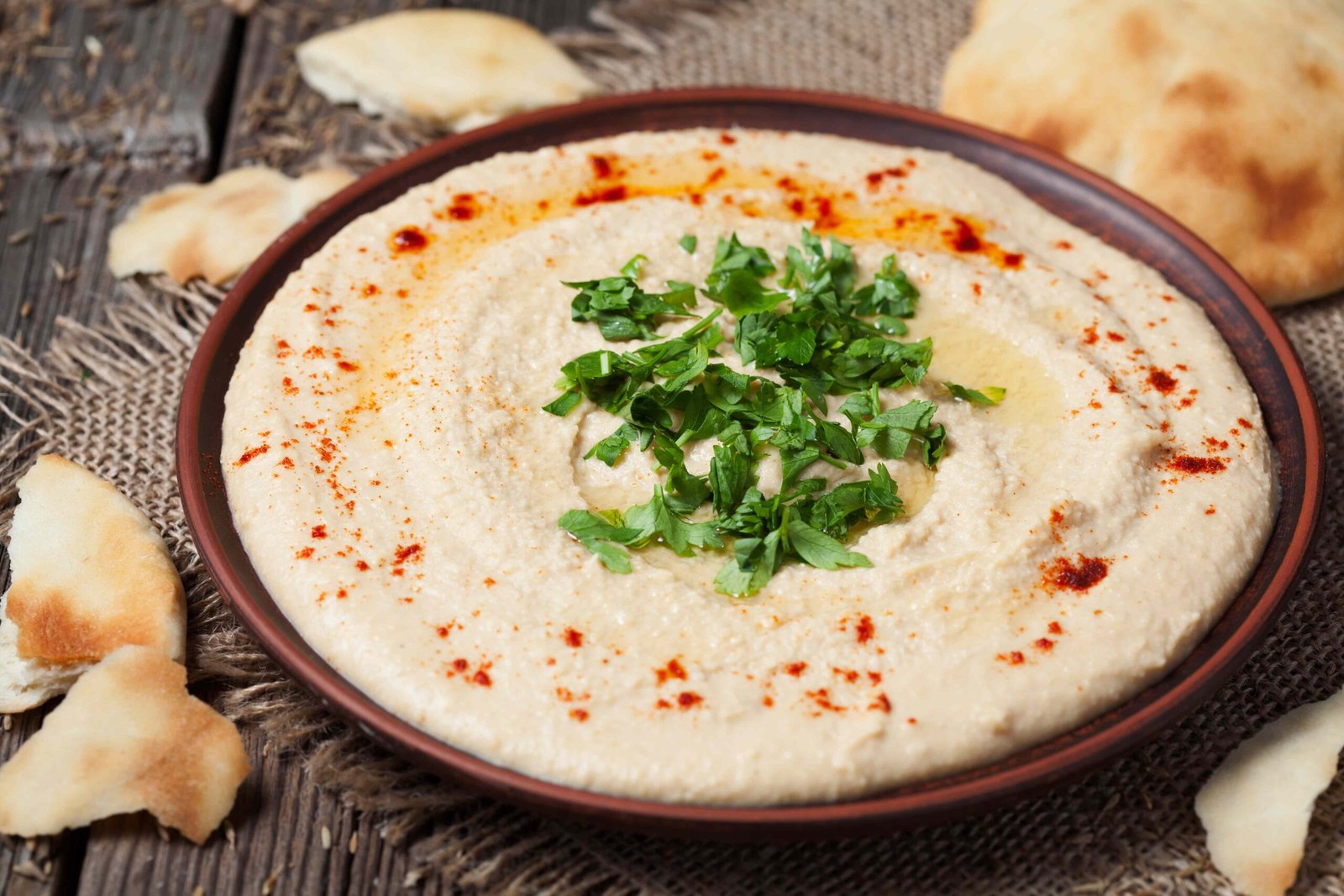
Hummus is a delicious snack made with chickpeas and tahini. Two tablespoons provide about 2 grams of protein, which is 4% of the recommended daily value (DV). Higher protein options are available:
Kinga Krzeminska / Getty Images
- Protein content: 20 grams (g), 40% of the DV
- Serving size: 3 ounces (oz), about one small pouch
Tuna provides a lot of protein without many extra calories. You can grab a tuna pouch for an easy, mess-free snack at work or while traveling. Choose canned light or skipjack to limit mercury exposure if you eat tuna often.
Maliflower73 / Getty Images
- Protein content: 16.1 g, 32% of the DV
- Serving size: 5.5 oz
Greek yogurt has less liquid whey, leaving a denser yogurt with more protein than regular yogurt. Choose plain yogurt to avoid added sugar. If it’s a little tangy, try sweetening it with fresh berries or honey. You can also use Greek yogurt as a substitute for sour cream or mayonnaise.
Inna Brailchuk / Getty Images
- Protein content: 13 g, 26% of the DV
- Serving size: Half cup, cooked
Lupini beans have more protein than most beans, plus fiber. You can find pickled lupini beans in small pouches. Many people enjoy them Mediterranean style with olives, cherry tomatoes, and feta cheese.
Anna Blazhuk / Getty Images
- Protein content: 12g, 24% of the DV
- Serving size: 3.8 oz, or half a cup
Cottage cheese packs lots of protein without many calories. It also gives you slow-digesting protein that helps you stay full longer. Pair it with tomatoes and cracked pepper, or add fruit for a touch of sweetness.
Jordan Lye / Getty Images
- Protein content: 9g, 18% of the DV
- Serving size: Half cup, cooked
Edamame (young soybeans) are one of the richest sources of plant-based protein. You can eat them warm or cold, straight from the pod, which makes them an easy snack.
Jason Dean / Getty Images
- Protein content: 9 g, 18 % of the DV
- Serving size: 1/2 cup, cooked boiled
Lentils have protein, fiber, and iron for steady energy. A half-cup also gives you 45% of your daily folate, which helps prevent birth defects during pregnancy. You can eat lentils as a snack by blending them into dips, spreading them on toast, or air-frying them for a crunchy option.
MirageC / Getty Images
- Protein content: 8.5 g, 17% of the DV
- Serving size: 1 oz, or a quarter cup, without the shell
Pumpkin seeds provide protein along with magnesium and zinc. Magnesium supports muscle function and energy. Zinc supports your immune system. You can eat them on their own or add them to yogurt, oatmeal, salads, smoothies, or trail mix.
Sanny11 / Getty Images
- Protein content: 8 g, 16% of the DV
- Serving size: 2 tablespoons (32 g)
Peanut butter gives you protein, fiber, healthy fats, niacin, potassium, and vitamin E. Natural peanut butter is typically the healthiest choice because it avoids added sugars and oils.
Most of the fat in peanut butter is unsaturated, which is better for your heart. But it does have some saturated fat, so portions matter. If you have a peanut allergy, almond butter is a good substitute with 6.7 g of protein per two tablespoons.
SonerCdem / Getty Images
- Protein content: 7 g, 14% of the DV
- Serving size: Half cup dry roasted (from a can)
Dry-roasted chickpeas give you more protein than hummus because they skip added ingredients. Their crunchy texture makes them a satisfying alternative to chips. You can buy them pre-made or roast them at home with your favorite seasoning.
luknaja / Getty Images
- Protein content: 6.64 g, 13% of the DV
- Serving size: 1 large piece
Jerky gives you concentrated protein in a small, portable snack. It also provides minerals like iron and zinc. It’s a great choice for travel or long days when you need steady energy. But check labels when you can, as some versions are high in sodium.
BURCU ATALAY TANKUT / Getty Images
- Protein content: 6.25 g, 12% of the DV
- Serving size: 1 large egg
Hard-boiled eggs are easy to prep ahead of time and give you high-quality protein, vitamin D, iodine, and choline. Egg whites provide slightly more protein per egg, while the yolk contains most of the vitamins and minerals. All of an egg’s fat comes from the yolk. But the fats are mostly unsaturated fats, which are more heart-friendly.
Michelle Lee Photography / Getty Images
- Protein content: 4.84 g, 9 %of the DV
- Serving size: 1 cubic inch (15 g)
Gruyère is an aged Swiss cheese with a mild, nutty flavor. It gives you concentrated protein in a small serving. If you’re not a fan of Gruyère, cheeses like cheddar, mozzarella, Swiss, or provolone also provide some protein.
Gruyère melts well, which makes it great for grilled cheese sandwiches or mac and cheese. It’s also a fun choice for a charcuterie board, a snack platter with cheese, crackers, nuts, and fruit.
Gilnature / Getty Images
- Protein content: 4.74 g, 9% of the DV
- Serving size: Two slices
Rolling slices of deli-style turkey is a low-carb way to get quick protein. To keep it as healthy as possible, choose low-sodium and nitrate-free options. For added texture or a healthy fat, try wrapping it around a small piece of avocado.
Most people need about 50 grams of protein daily, but you might need more if you’re building muscle or recovering from surgery. You can boost your protein by mixing two protein sources in one snack or swapping to high-protein versions of foods like milk or pasta.
Protein also works better when you pair it with fiber or healthy fats. This helps you stay fuller longer and avoid energy crashes. Here are some pairing ideas:
- Cheese and nuts
- Edamame with olive oil
- Eggs and avocado
- Mashed lentils on whole-grain toast
- Peanut butter with apple slices
