

Magnesium is an essential nutrient that can help support nerve function and bone health—and certain fruits can be a surprisingly helpful way to reach your daily needs (about 310 to 420 milligrams for adults).
lacaosa / Getty Images
- Magnesium content: 127 milligrams (mg)
- Serving size: 1 cup
Prickly pear is a plant native to Mexico. It grows oval-shaped fruits that have a sweet, berry-like flavor.
Prickly pears are also rich in vitamin C and fiber. Vitamin C is essential for immune function, while fiber promotes gut health. A cup of raw prickly pear provides 23% of the daily value (DV) for vitamin C and 19.2% of the DV for fiber.
Inga Rasmussen / Getty Images
- Magnesium content: 101 mg
- Serving size: 1 cup
Figs are also high in fiber and other vitamins and minerals, like vitamin B6 and calcium. One cup has 14.6 grams of fiber, which covers over 50% of the DV.
Figs are also packed with polyphenol antioxidants. Polyphenols help protect cells and control inflammation.
Fajrul Islam / Getty Images.
Fajrul Islam / Getty Images
- Magnesium content: 72.9 mg
- Serving size: 1 cup
Durian is a large tropical fruit native to Southeast Asia. It has a creamy texture and a sweet yet bitter taste. Durian is known for its strong smell, often compared to sulfur and rotten onions.
Durian is a source of fiber and several vitamins and minerals, such as:
- B vitamins
- Magnesium
- Potassium
- Vitamin C
The same serving contains 53% of the DV for vitamin C. This vitamin works as an antioxidant. It is required for immune function, collagen synthesis, and neurotransmitter production.
Sutthiwat Srikhrueadam / Getty Images
- Magnesium content: 68.4 mg
- Serving size: 1 cup
Passion fruit is a vining plant native to South America. It produces small fruits with hard rinds that range from green to purple, depending on ripeness.
Passion fruit is also a source of vitamin A, or 16.7% of the DV. Vitamin A is supports vision, reproduction, immune function, and normal growth and development.
Flori Vasilescu / Getty Images
- Magnesium content: 47 mg
- Serving size: 1 cup
Jackfruit comes from the Artocarpus heterophyllus tree, native to India. It is the largest edible fruit and grows up to 110 pounds.
One cup of jackfruit also provides 16% of the DV for potassium. Like magnesium, potassium helps regulate blood pressure. Eating foods rich in both may lower your blood pressure and heart disease risk.
Milan Krasula / Getty Images
- Magnesium content: 43.5 mg
- Serving size: 1 cup, cubed
Avocados are different from most fruits: They are low in carbohydrates and high in healthy fats. This makes them a suitable choice for low-carb diets and diabetes management.
Avocados are also high in fiber, which slows the absorption of sugar into the bloodstream. A cup of cubed avocado has 35% of the DV for fiber.
BURCU ATALAY TANKUT / Getty Images
- Magnesium content: 41.6 mg
- Serving size: 1 cup
Dried apricots are sweet and chewy, which offers a satisfying alternative to candy.
A cup of dried apricots also has 19.2% of the DV for iron. This mineral is needed for oxygen transportation, energy production, hormone synthesis, and more.
Vera_Petrunina / Getty Images
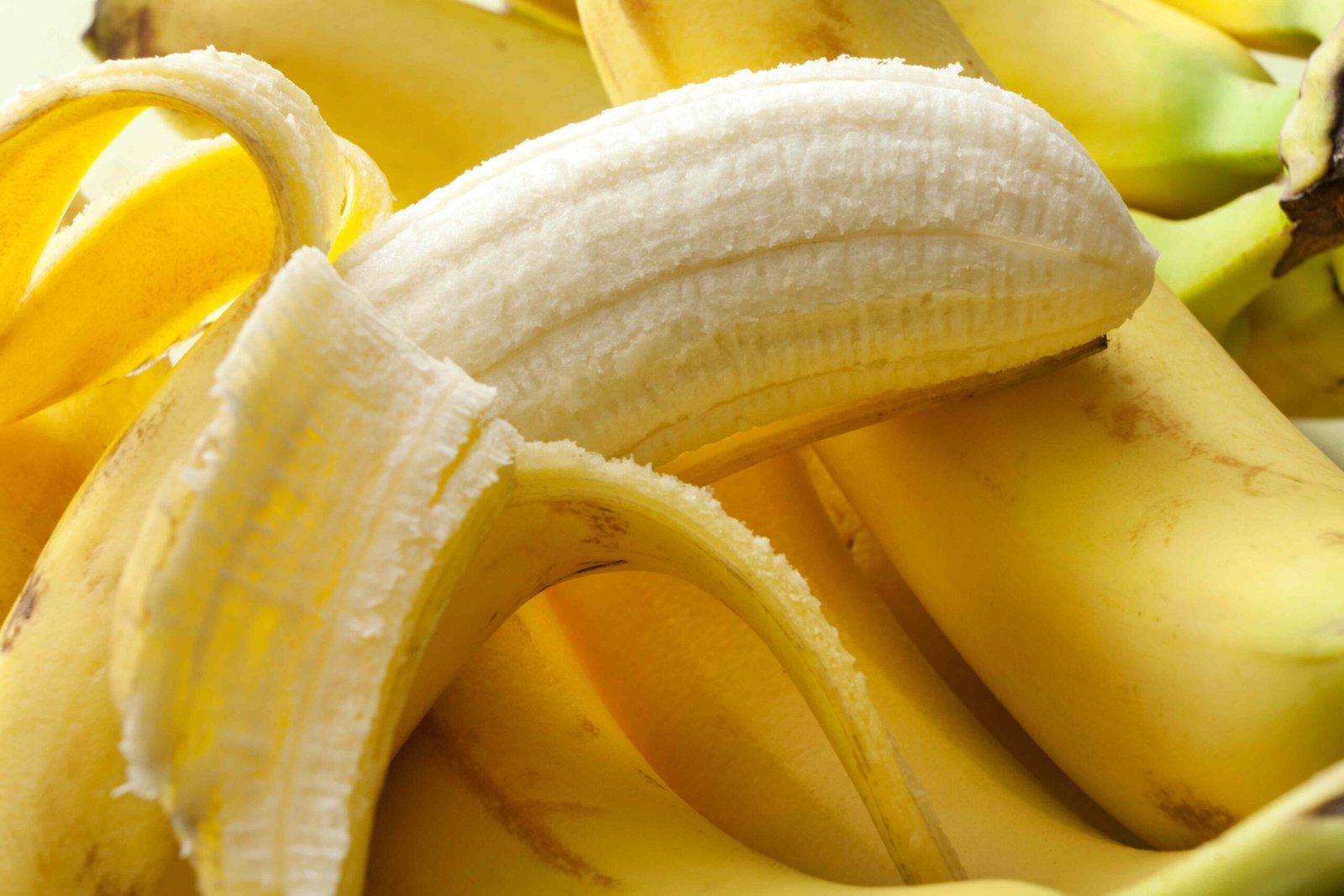
- Magnesium content: 40.6 mg
- Serving size: 1 cup, sliced
Bananas are tropical fruits that contain several nutrients. They are also high in vitamin B6, which is needed for metabolism, immune function, and neurotransmitter production.
Vitamin B6 also helps form hemoglobin, or the oxygen-carrying part of red blood cells.
RBB / Getty Images
- Magnesium content: 36.4 mg
- Serving size: 1 cup
Guava is a tropical fruit with a sweet but tart taste. It stands out from other fruits because it has 4.21 grams of protein per cup.
This fruit is also rich in vitamin C. The same serving covers over 400% of the DV.
Anucha Muphasa / Getty Images
- Magnesium content: 34.6 mg
- Serving size: 1 cup
Papayas are large tropical fruits with bright orange, sweet-tasting flesh.
Papayas are also high in folate, vitamin C, and carotenoid antioxidants. They are high in lycopene, a carotenoid pigment with powerful heart health benefits. Following a diet high in lycopene can lower your heart disease risk.
Iuliia Bondar / Getty Images
- Magnesium content: 28.8 mg
- Serving size: 1 cup
Blackberries are also high in vitamins C and K and manganese. Manganese is a mineral that helps with immune health, energy metabolism, and nerve function.
Blackberries contain antioxidants like phenolic acids and anthocyanins. This gives them powerful anti-inflammatory and cell-protective benefits.
In addition to fruits, magnesium can be found in nuts, vegetables, seeds, and beans.
Some of the best dietary sources of magnesium include:
- Spinach: 156 milligrams (mg) per cooked cup, or 37% of the DV
- Pumpkin seeds: 156 mg per ounce, or 37% of the DV
- Chia seeds: 111 mg per ounce, or 26% of the DV
- Black beans: 120 mg per cup, or 28% of the DV
- Edamame: 100 mg per cup, or 24% of the DV
- Brown rice: 84 mg per cup, or 20% of the DV
- Almonds: 80 mg per ounce, or 19% of the DV
- Cashews: 74 mg per ounce, or 18% of the DV
- Soy milk: 61 mg per cup, or 15% of the DV
- Yogurt: 42 mg per 8 ounces, or 10% of the DV
To ensure you hit your daily magnesium requirements, try eating a variety of magnesium-rich foods.
