

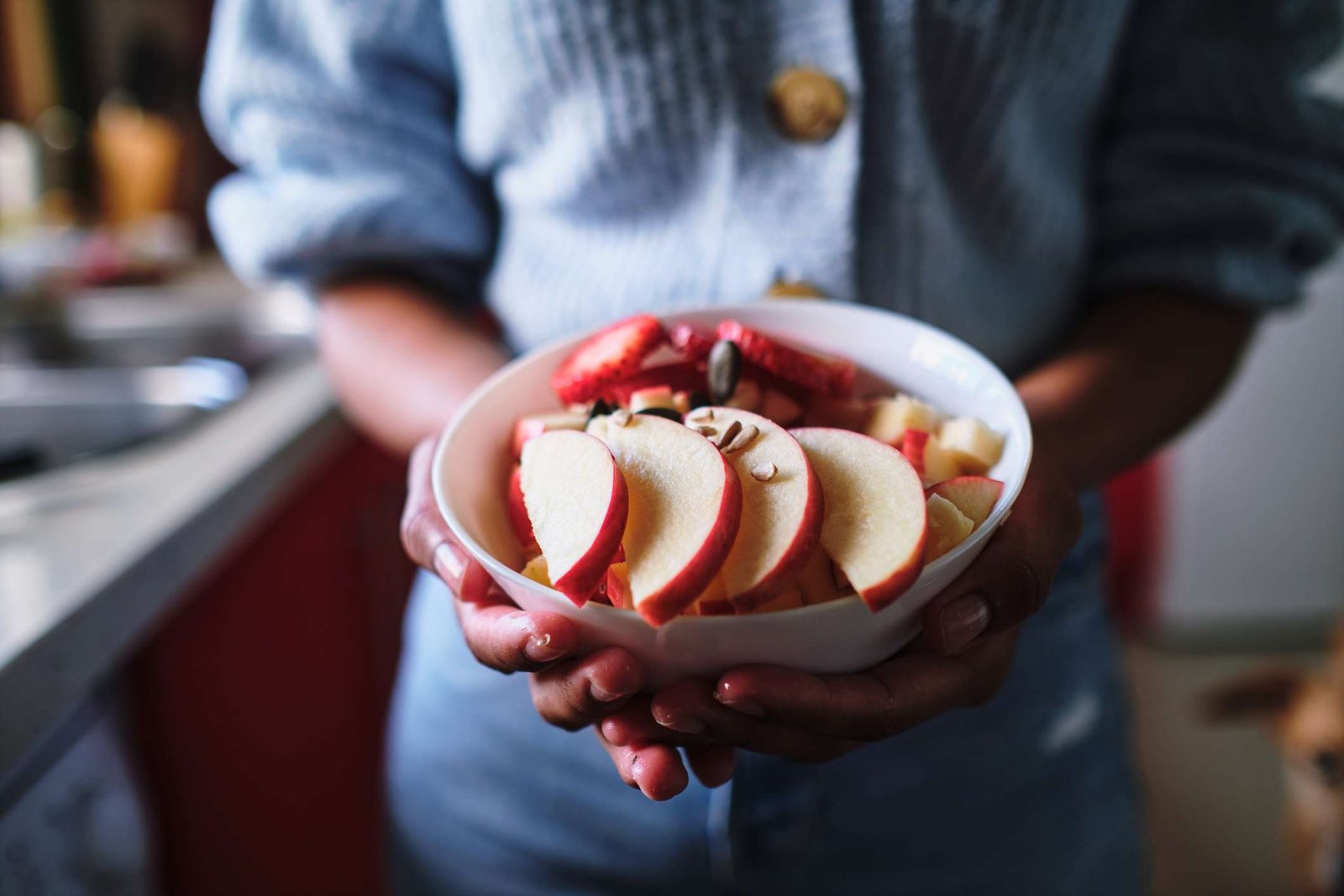
In addition to providing a variety of vitamins, minerals, and antioxidant plant compounds, apples are also a good source of fiber. One large 215-gram apple contains 5.16 grams of fiber, or 18.5% of the Daily Value (DV). But while apples are a solid source of fiber, many other foods contain higher levels of this important nutrient.
Karisssa / Getty Images
- Fiber content: 15.6 grams per cooked cup or 55.7% of the DV
Lentils are an excellent source of fiber, with a 1-cup serving covering over half of your daily needs. They’re also one of the most protein-rich plant foods you can eat, providing 17.9 grams of protein per cup. Protein and fiber slow digestion and stimulate the release of satiety hormones, helping you feel full after eating. Their high protein and fiber content make lentils a smart choice for weight management.
Add lentils to salads, soups, curries, or grain bowls for a boost of protein and fiber. They can also be used in plant-based dishes, like veggie burgers or veggie meatballs.
5PH / Getty Images
- Fiber content: 14.6 grams per cup or 52.1% of the DV
Dried figs are soft, chewy, and naturally sweet, making them a healthy substitute for sugary treats, like candy. In addition to being an excellent source of fiber, figs are high in vitamins and minerals, like magnesium, B6, and calcium. A cup of dried figs contains 101 milligrams of magnesium, or 24% of the DV.
Dried figs make a delicious and filling snack when paired with high-protein foods, like cheese. They can also be tossed into smoothies and added to baked goods for extra fiber.
Smitt / Getty Images
- Fiber content: 13.5 grams per 201-gram avocado or 48% of the DV
Avocados are packed with fiber, healthy fats, and vitamins and minerals like folate, magnesium, and vitamin C. Studies show that eating avocados may benefit your gut by supporting the growth of beneficial bacteria in the digestive tract and increasing the production of short-chain fatty acids, compounds that protect and maintain gut health.
Slice avocados and add them to salads, smoothies, grain bowls, and tacos, or use them to make homemade guacamole.
alvarez / Getty Images
- Fiber content: 7.63 grams per cup or 27.2% of the DV
Blackberries are sweet, juicy, and loaded with fiber. These fiber-rich berries also provide a variety of protective plant compounds, including phenolic acids and anthocyanins, which have powerful anti-inflammatory and antioxidant properties. Blackberries are also high in essential vitamins and minerals like magnesium, vitamins C and K, and manganese.
Enjoy blackberries as a naturally sweet topping for oatmeal, chia pudding, and smoothie bowls, or add frozen blackberries to smoothies and baked goods.
Rocio Angulo / Getty Images
- Fiber content: 8 grams per cup or 28.5% of the DV
Raspberries contain an impressive 8 grams of fiber per cup, making them one of the most fiber-rich fruits you can eat. Research shows that regularly incorporating berries into your diet could help protect against common health conditions like heart disease and certain cancers. This is because berries, like raspberries, are high in powerful compounds such as anthocyanins and ellagitannins, which protect cells from oxidative damage. Raspberries are also a good source of several vitamins and minerals, like vitamin C, manganese, and vitamin K.
Blackberries are delicious in homemade baked goods, oatmeal, smoothies, and yogurt parfaits. They can also be enjoyed as a simple snack paired with nuts or cheese.
HUIZENG HU / Getty Images
- Fiber content: 9.75 grams per ounce or 34.82% of the DV
Chia seeds are versatile, shelf-stable, and packed with nutrients, which is why they should be a staple in your pantry. An ounce of chia seeds covers over a third of your daily fiber needs and also covers over 20% of your needs for the minerals magnesium, selenium, manganese, and copper.
You can enjoy chia pudding as a fiber-packed breakfast or snack, sprinkle chia seeds over oatmeal, salads, and smoothie bowls, or mix them into baked goods like muffins and breads for an easy nutrition boost.
Nata Serenko / Getty Images
- Fiber content: 6.6 grams per cup or 23.57% of the DV
Sweet potatoes are root vegetables that contain important nutrients, like fiber. A cup of cooked sweet potato covers over 20% of your fiber needs and also delivers a number of vitamins and minerals, like vitamin A, B6, vitamin C, and potassium. Sweet potatoes get their bright orange hue from carotenoids, like beta-carotene, which have potent cellular-protective effects. Studies show that eating carotenoid-rich foods may reduce your risk of several chronic diseases, including certain cancers and heart disease.
Roast whole sweet potatoes or mash them for a simple side dish, and incorporate roasted sweet potatoes into salads, soups, and grain dishes.
Grigorenko / Getty Images
- Fiber content: 6 grams per cooked cup or 21.4% of the DV
Barley is a whole grain that’s known for its high fiber content. Swapping low-fiber grains, like white rice, with high-fiber grains, like barley, is an easy way to boost your intake of this important nutrient. In addition to fiber, barley is a good source of selenium, iron, and several B vitamins, making it an all-around nutritious carb option.
Enjoy barley as a side dish sprinkled with fresh herbs, or add barley to soups and stews for a hearty, chewy texture.
Aleksandr Zubkov / Getty Images
- Fiber content: 7.1 grams per large 230-gram fruit or 25.3% of the DV
Pears’ high fiber content makes them a beneficial fruit for people who experience constipation. The fiber found in pears can soften stools, making them easier to pass and promoting more regular bowel movements. Pears also contain flavonoid antioxidants, which support overall health by reducing inflammation and preventing cellular damage.
Slice pears onto salads, oatmeal, and cereal, or try pears as a substitute for apples in baked goods, like muffins and cakes.
Boris Yatsenko / Getty Images
- Fiber content: 8 grams per ounce or 28.57% of the DV
Cacao nibs provide an impressive 8 grams of fiber per ounce, making them a simple way to increase your daily fiber intake. They’re also rich in minerals such as copper, magnesium, and manganese, along with flavonoid antioxidants like catechin, epicatechin, and procyanidins.
Cacao nibs have a bitter, chocolatey taste and can be used to increase the fiber and overall nutrition of dishes like yogurt parfaits, oatmeal, and baked goods.
Irina Vodneva / Getty Images
- Fiber content: 7.64 grams per ounce or 27.2% of the DV
Flaxseeds are rich in fiber, healthy fats, and essential minerals. They’re particularly helpful for gut health, with research suggesting that flaxseeds may relieve constipation and support the growth of beneficial bacteria in the digestive system.
Try adding ground flaxseed to recipes like baked goods, oatmeal, yogurt, and smoothies for a simple way to increase their nutritional benefits.
