

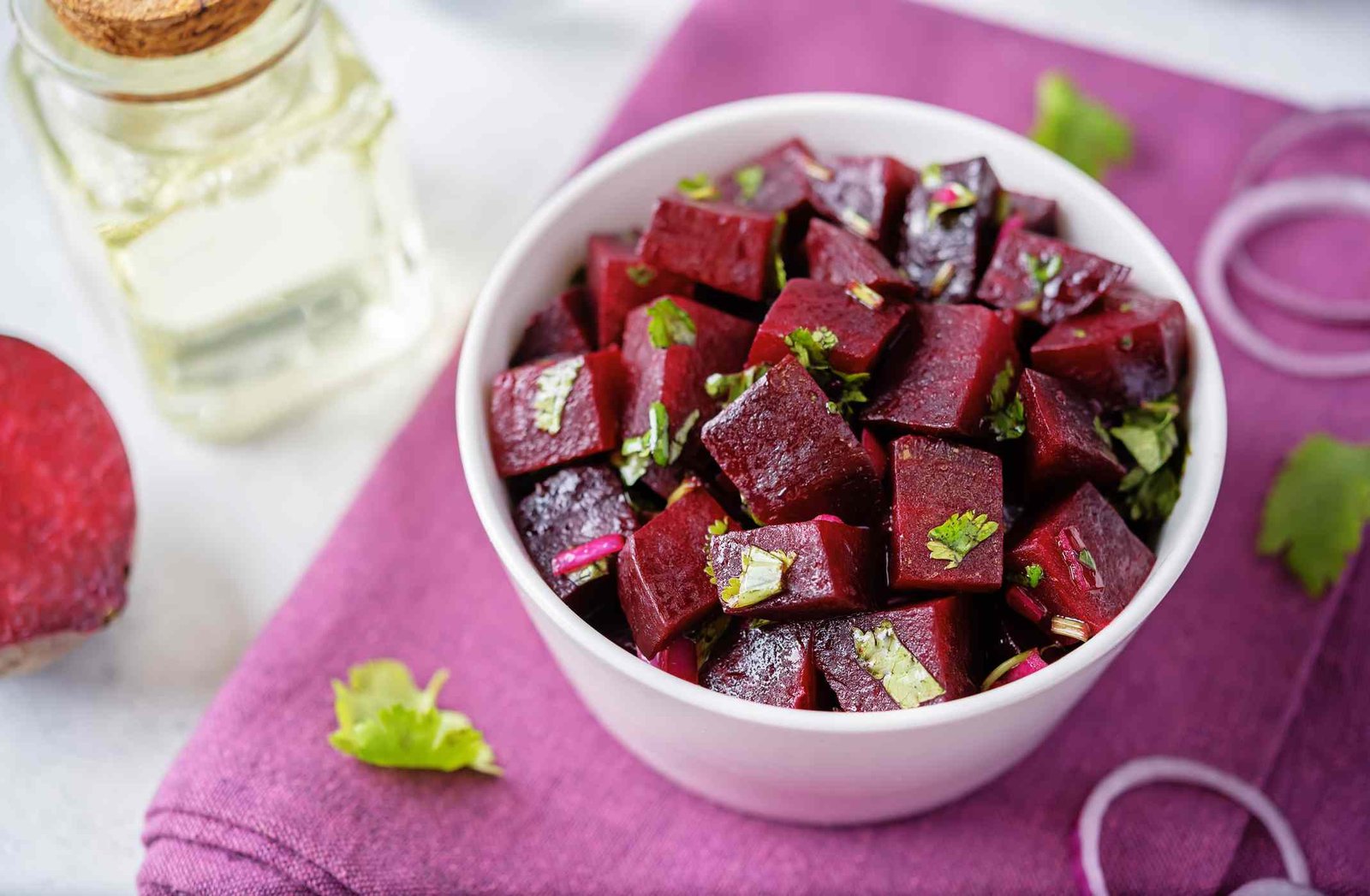
Beets are rich in nitrates, which help relax blood vessels and support healthy blood pressure. But they aren’t the only food that can make a difference. Several other foods, including leafy greens, berries, and fatty fish, may offer even more benefits.
Ekaterina Smirnova / Getty Images
Spinach and other leafy greens, like chard, are high in naturally occurring nitrates. These are the same compounds found in beets.
Nitrates supply the body with nitric oxide, which relaxes the blood vessels. This allows for better blood and oxygen flow. A diet high in nitrates from fruits and vegetables has been linked to a lower risk of stroke and lower blood pressure numbers.
Leafy greens are also rich in potassium and magnesium, which help support healthy blood pressure.
FlorianTM / Getty Images
Berries contain antioxidants called anthocyanins. Like the compounds found in beets, these antioxidants may help boost nitric oxide production.
While more research is needed, a 2021 study found that people who ate about 1.5 cups of berries per day had lower blood pressure.
Fresh or frozen berries both offer similar benefits.
piyaset / Getty Images
Legumes include foods like beans, lentils, and chickpeas. They are rich in potassium, magnesium, and fiber, which can support healthy blood pressure.
Potassium is especially helpful because it helps your body get rid of extra sodium. Sodium holds on to water. When your body releases sodium, it also gets rid of extra fluid, which can help lower blood pressure.
Studies show that people who regularly eat legumes tend to have lower blood pressure and a lower risk of heart disease.
locknloadlabrador / Getty Images
Avocados are rich in potassium, fiber, magnesium, and heart-healthy monounsaturated fats. One cup of sliced avocado covers around 15% of your daily potassium needs.
Magnesium can help widen blood vessels by blocking the effects of calcium. Calcium can cause blood vessels to tighten.
In a 2023 study, people who ate five or more servings of avocado a week had a 17% lower risk of high blood pressure. One serving is around half of an avocado.
marrakeshh / Getty Images
Fatty fish like salmon contain omega-3 fatty acids. Omega-3s may help reduce inflammation and improve blood vessel function.
A large review of 71 studies found that consuming about 2-3 grams of omega-3 fatty acids (EPA and DHA) per day was linked to small but meaningful reductions in blood pressure, especially in people with hypertension (high blood pressure). About 4-5 ounces of Atlantic salmon provides close to 3 grams of omega-3s.
Walnuts are a major source of ALA, a plant-based omega-3 fatty acid that can boost heart health. They’re also rich in potassium, magnesium, fiber, and antioxidants, which support healthy blood pressure.
In a two-year study of older adults, adding walnuts to the diet led to modest reductions in systolic blood pressure (the top number). The biggest benefits were seen in people who started with higher blood pressure.
agitons / Getty Images
Bananas are well known for their potassium content. They also provide fiber and antioxidants, which help protect cells from damage and support overall heart health.
In a 2024 study, people with high blood pressure who ate bananas three to six times per week had a lower risk of death compared to those who ate bananas less than once per month.
The benefit was even greater when bananas were eaten along with other fruits, especially apples. Eating apples and bananas several times per week was linked to the largest reduction in overall mortality risk.
While apples are not a major source of potassium, they are higher in fiber than many other fruits. Fiber has been shown to help lower blood pressure and support heart health.
Katsumi Murouchi / Getty Images
Dark chocolate contains flavonoids, which are plant compounds that may help improve blood vessel flexibility. This can help lower blood pressure.
Studies suggest that eating dark chocolate daily can lead to small, but clinically significant improvements in blood pressure.
Amounts used in studies vary, but 6-25 grams of dark chocolate a day may help. A regular chocolate bar is about 45 grams, so one or two small squares may be enough.
For the most heart health benefits, choose dark chocolate with at least 70% cocoa and little to no added sugar.
Anne DEL SOCORRO / Getty Images
Yogurt offers calcium and potassium for blood pressure support. It also provides healthy bacteria that promote the release of proteins that can lower blood pressure.
Studies suggest that people who eat yogurt more often tend to have lower blood pressure, especially among people who have hypertension.
When possible, look for yogurt with minimal additives and real fruit instead of added sugar.
Anne DEL SOCORRO / Getty Images
Oats are rich in a type of soluble fiber called beta-glucan. This fiber helps support healthy cholesterol levels and overall heart health, and it may also play a role in lowering blood pressure.
A 2023 review of studies found that eating oats regularly can help lower systolic blood pressure, especially in people with high blood pressure or when oats replace refined grains in the diet.
Tod Novak / Getty Images
Broccoli, kale, and other cruciferous vegetables are some of the most nutrient-dense foods you can eat. They are high in sulfur compounds called glucosinolates. These compounds have antioxidant properties and may help protect blood vessels.
In a small 2024 study, eating more cruciferous vegetables was linked to lower systolic blood pressure compared to eating root and squash vegetables.
Along with adding foods that are rich in blood pressure–supporting nutrients, small daily habits can also make a difference over time. Consider these tips:
- Limit sodium and choose more whole, minimally processed foods
- Eat more fruits, vegetables, beans, nuts, and whole grains
- Stay physically active most days of the week
- Maintain a healthy weight, determined by you and your doctor
- If you smoke, talk with your healthcare provider about quitting
- Manage stress with sleep, movement, or meditation
