

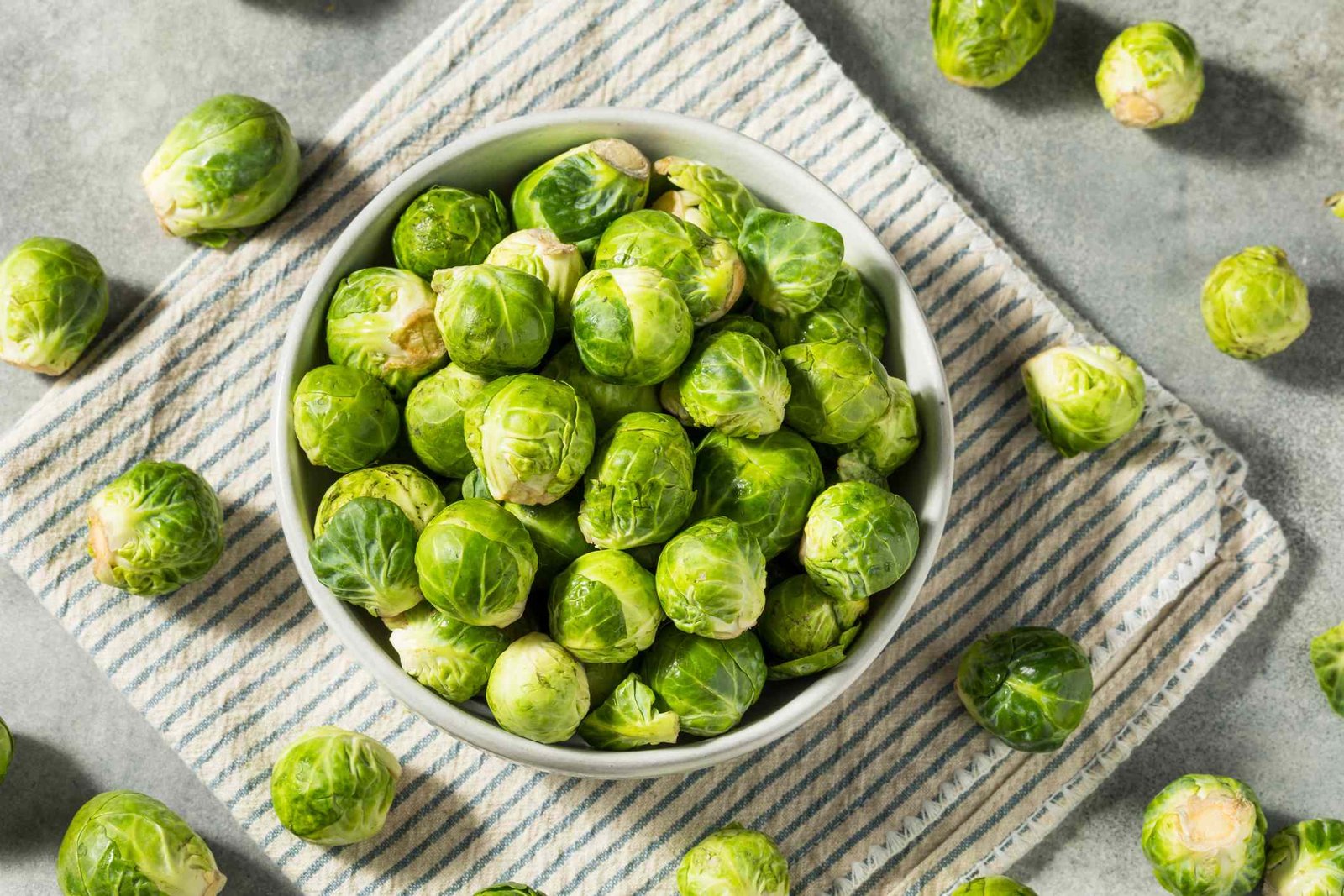
Fiber is a nutrient that helps support digestion, heart health, and fullness. One cup of cooked Brussels sprouts provides about 4 grams of fiber. While Brussels sprouts are a good source, several other vegetables, like lentils, split peas, and winter squash, provide even more fiber per serving.
Cris Cantón / Getty Images
- Fiber content: 15.6 grams, 55.7% of the Daily Value (DV)
- Serving size: 1 cup, cooked
Lentils are a very high-fiber legume, with one cup providing more than half of your daily needs. They also provide plant-based protein, along with nutrients like iron, folate, and potassium. The combination of fiber and protein in lentils slows digestion and helps promote feelings of fullness, which can support appetite control.
How to eat them:
- Add cooked lentils to soups, stews, or chili
- Toss them into salads or grain bowls
- Use them as a base for veggie burgers or meatless tacos
- Blend lentils into dips or spreads
Gutium Maria / Getty Images
- Fiber content: 15 grams, 53.5% of the DV
- Serving size: 1 cup, cooked
Black beans are another type of nutrient-packed legume. Beyond fiber, they provide protein and minerals such as magnesium and potassium. Increasing your intake of these nutrients may help lower the risk of heart disease.
How to eat them:
- Add to tacos or burrito bowls
- Stir into soups or chili
- Mash into bean spreads
- Toss into rice or grain dishes
bhofack2 / Getty Images
- Fiber content: 16.3 grams, 58.2% of the DV
- Serving size: 1 cup, cooked
Split peas are a hearty legume that provides more than four times the fiber of cooked Brussels sprouts, along with protein, B vitamins, and iron. They’re commonly used in warm, comforting dishes and soups.
How to eat them:
- Use in split pea soup
- Add to stews or casseroles
- Blend into vegetable soups for a boost of protein
- Mash and season as a side
Jordan Lye / Getty Images
- Fiber content: 8 grams, 28.5% of the DV
- Serving size: 1 cup, cooked
Edamame are young soybeans that provide fiber and an impressive amount of protein, with about 18.5 grams per cooked cup. They’re a complete plant-based protein, meaning they contain all essential amino acids your body needs. Edamame also supplies iron along with vitamin C, which helps improve iron absorption.
How to eat them:
- Steam and sprinkle with salt
- Add to salads or grain bowls
- Toss into stir-fries
- Blend into dips
Westend61 / Getty Images
- Fiber content: 9.7 grams, 34.6% of the DV
- Serving size: 1 cup, sliced
Although technically a fruit, avocados are rich in fiber, potassium, and healthy fats. These nutrients support heart health. Some research suggests that eating avocados regularly may be linked to a lower risk of heart disease.
How to eat them:
- Slice onto toast or sandwiches
- Add to salads or bowls
- Blend into smoothies
- Mash into guacamole
Jennifer A Smith / Getty Images
- Fiber content: 6.8 grams, 24.2% of the DV
- Serving size: 1 medium artichoke, cooked
Artichokes are rich in fiber, folate, and vitamin K. They also provide vitamin C, magnesium, and potassium. In addition, artichokes contain antioxidants and prebiotic fibers, which help support the growth of healthy bacteria in the gut.
How to eat them:
- Steam or boil whole artichokes
- Roast with olive oil and herbs
- Add to salads or pasta
- Mix into grain bowls
Robert Greatrix / Getty Images
- Fiber content: 9 grams, 32.1% of the DV
- Serving size: 1 cup, cooked
Winter squash varieties, such as acorn squash, are high in fiber. They also provide vitamin A and antioxidants like lutein, which support eye and immune health.
How to eat them:
- Roast as a side dish
- Blend into soups
- Add to grain bowls
- Cube for salads
Westend61 / Getty Images
- Fiber content: 5.6 grams, 20% of the DV
- Serving size: 1 cup, cooked
Parsnips are a root vegetable with a slightly sweet flavor. In addition to fiber, they provide vitamin C, potassium, and antioxidants such as quercetin, kaempferol, and apigenin. These antioxidants have been studied for their role in supporting immunity.
How to eat them:
- Roast with olive oil and spices
- Add to soups and stews
- Mash with spices
- Shred and add to salads
Je Hyuk Lee / Getty Images
- Fiber content: 6.6 grams, 23.5% of the DV
- Serving size: 1 cup, cooked
Sweet potatoes are a popular root vegetable that’s rich in fiber and provides several important vitamins and minerals. They’re especially high in beta-carotene, an antioxidant the body converts into vitamin A. Some research suggests beta-carotene and other carotenoid antioxidants may be linked to a lower risk of heart disease and certain cancers.
How to eat them:
- Bake or roast with the skin on
- Mash with olive oil or herbs
- Cube and add to salads or grain bowls
- Make baked sweet potato chips
Alberto Dima / Getty Images
- Fiber content: 5.1 grams, 18.2% of the DV
- Serving size: 1 cup, cooked
Like Brussels sprouts, broccoli is a member of the cruciferous vegetable family. It’s a nutrient powerhouse, providing more than 100% of the Daily Value for vitamin C, which supports bone health and immunity.
Broccoli also contains plant compounds, including carotenoid antioxidants and sulfur-containing compounds called glucosinolates. While more research is needed, diets high in glucosinolates have been linked to a lower risk of chronic disease.
How to eat it:
- Steam or roast
- Add to stir-fries
- Toss into pasta dishes
- Chop into soups
Increasing fiber intake can be beneficial, but doing it too quickly may cause bloating, gas, or discomfort. A gradual approach helps your digestive system adjust.
Tips to increase fiber:
- Slowly increase fiber intake by a few grams a day to prevent discomfort
- Drink plenty of water to help fiber move through your digestive system
- Spread fiber intake throughout the day instead of eating large amounts at once
Cooking vegetables can make fiber easier to tolerate. Roasting, steaming, or sautéing vegetables may be gentler on digestion than eating them raw.
