

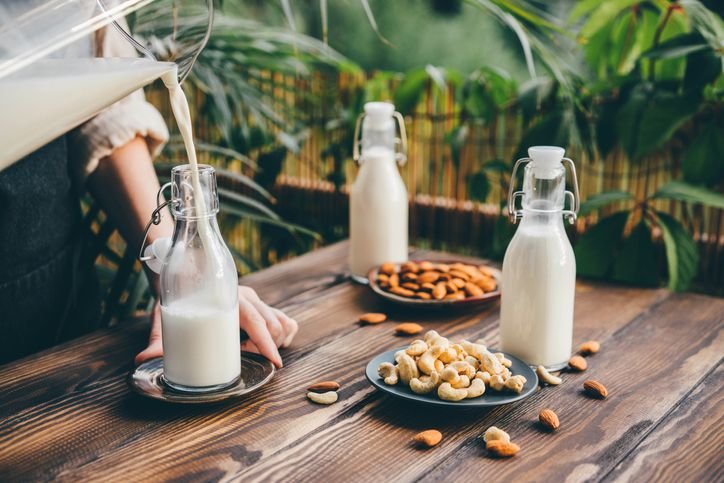
Dairy contains calcium, an important nutrient. However, some people may choose or need to go dairy-free for a few reasons, such as a dairy allergy, lactose intolerance, or a moral decision to abstain from animal products.
Cutting out dairy offers several benefits, such as:
- Digestive comfort if you have conditions like irritable bowel syndrome (IBS)
- Environmental support by reducing physical resource use when you choose plant-based milk over cow’s milk
- Reduction and elimination of reactions due to dairy allergies
- Relief from symptoms of lactose intolerance—though it may not be necessary to eliminate dairy products completely
Cheese and yogurt are obvious dairy sources, but dairy also lurks in many foods as an additive. For instance, whey or casein proteins are the major cow milk proteins. These proteins are often added to energy bars.
You can also use the Food Allergy Research and Education Organization dairy list to determine if a food has dairy, but some terms that indicate dairy include:
- Casein hydrolysate
- Caseinate
- Delactosed whey
- Lactose
- Whey hydrolysate
Read labels carefully to spot hidden dairy, and watch for less obvious dairy ingredients when you are dining out.
Dishes might include dairy in preparation. For example, mashed potatoes might have milk, or a wrap could have cheese.
Milk-derived ingredients can also be found in:
- Cereals
- Cookies or crackers
- Flavored potato chips
- Frozen dinners
- Powdered guacamole mix
- Salad dressing
- Soup
Evidence for having withdrawal symptoms, like headaches or nausea, after giving up dairy is lacking. However, you may find it easier to slowly cut back on dairy products if you’re used to eating or drinking them most of the time. Consider eliminating certain types of products week by week or reducing your intake by having fewer servings of dairy over time.
While dairy can be a primary source of calcium, there are alternative sources based on the percent Daily Value (%DV) of calcium they provide. The Daily Value is a reference amount that shows what percentage of the total daily amount of a nutrient is in one serving of that food item.
These are examples of dairy-free foods and the amount of calcium they contain:
- Three ounces of sardines canned in water: 25%DV
- One cup of cooked collard greens: 20.62%DV
- One cup of unsweetened rice milk: 21.77%DV
Some plant-based milks, like almond milk, are often fortified with calcium and provide over 30% of the Daily Value per cup. Be sure to check the Nutrition Facts label carefully because not all plant-based milk types contain calcium. Combining whole foods and products with calcium can easily add up to 100% of your daily needs, but you have to be deliberate about your meal and snack choices.
One cup of cow’s milk and one-fourth cup of shredded cheese both provide about 8 grams (g) of protein each. If dairy has been a primary protein source, it’s important to seek out options to fill in the dairy gap.
Some foods supply both calcium and protein, like sardines, beans, almonds, and dairy-free Greek yogurt. Brands made with pea protein can provide as much as 10-11 grams of protein per serving. Again, check the nutrition facts label of different brands to know how much protein they provide.
Another nutrient that can be found in dairy products is potassium, which is an electrolyte that helps your body function properly. Potassium assists in muscle movement, regular heartbeat, and sodium regulation.
While dairy products are not a main source of potassium, Americans don’t get enough of the nutrient.
If you were meeting some of your potassium needs with dairy, you can make up for the missing potassium by eating:
- One cup of cooked broccoli
- One-half cup of cooked lentils
- One medium baked potato with the skin
- One cup of cooked quinoa
- One cup of cooked spinach
In addition to dairy-free milk and yogurt, there are non-dairy options in nearly every section of the supermarket. You can have ice creams made with coconut milk or ricotta made from almonds.
With that in mind, think of foods like dairy-free ice cream and nacho cheese as options to enjoy occasionally or in moderation. Plant-based foods are not always healthy foods, so it’s important to make whole foods your foundation by including plenty of vegetables, lean proteins, healthy fats, and nutrient-rich whole grains.
Some of your favorite foods, drinks, or snacks may have a dairy workaround, so consider different ways to prepare them. For example, you might use water instead of milk for a smoothie or try guacamole with your chips instead of queso or another cheese-based dip.
Whenever you make a dietary change, it’s important to pay attention to your body’s response. Your body will give you signs if something is out of balance. Ideally, you should feel better—more energetic, free from problematic symptoms, and in balance. If you do not feel better, or you feel worse, talk with a healthcare provider.
