

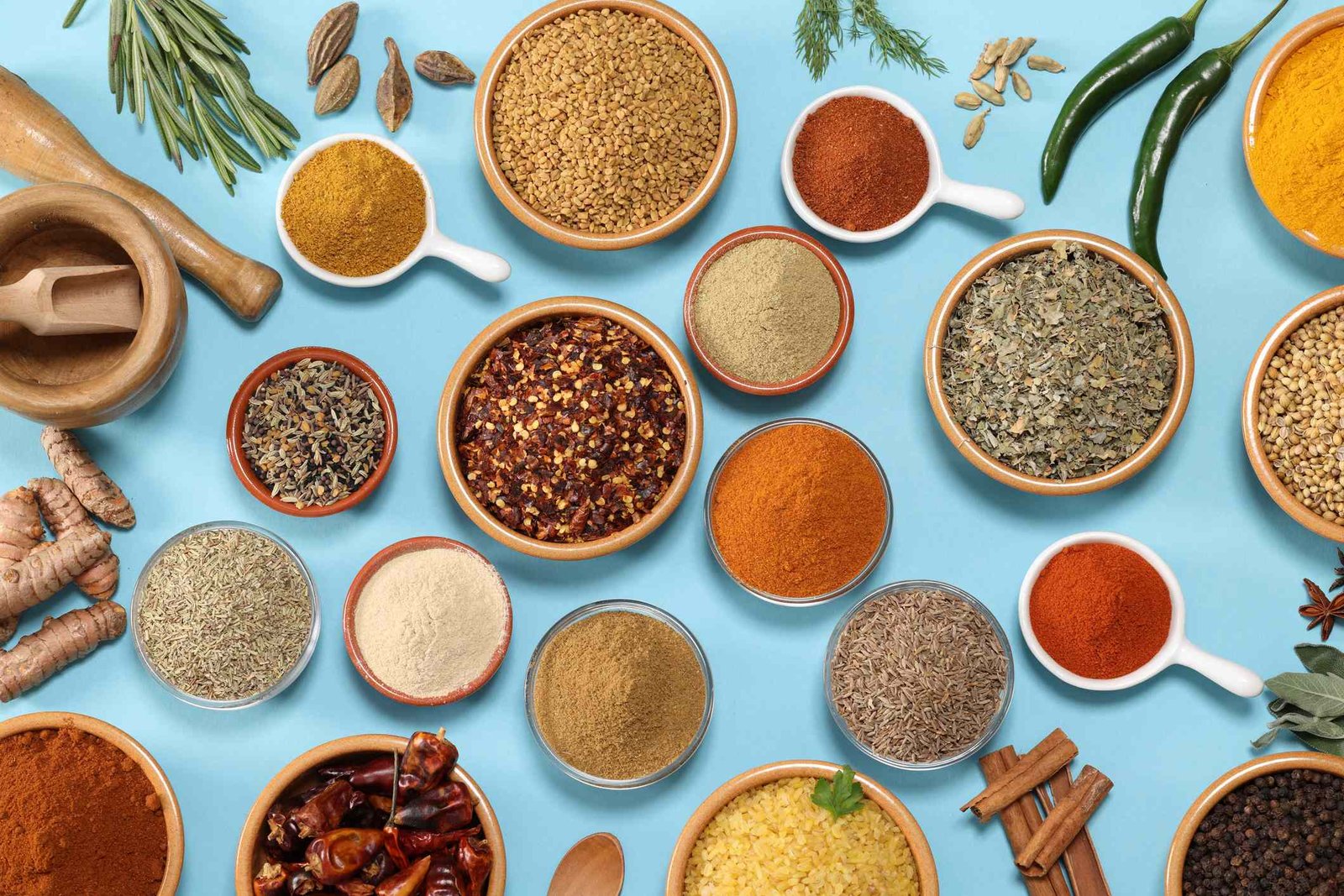
Inflammation is a normal immune response that helps your body protect itself. However, chronic inflammation can affect long-term health and increase your risk for disease. Some common spices contain natural compounds that can help reduce levels of inflammation.
krisanapong detraphiphat / Getty Images
Turmeric is a popular spice known for its bright color and potential health benefits. It contains curcumin, a compound linked to lower levels of inflammation. Curcumin also has antioxidant properties that help protect cells from damage.
In a 2023 study, turmeric (curcumin) supplementation significantly reduced levels of inflammatory markers, including C-reactive protein (CRP).
Turmeric works best when paired with black pepper, which helps the body absorb curcumin more easily. It fits well in soups, rice dishes, roasted vegetables, and blended sauces.
Vadym Pavelnko / Getty Images
Ginger has a long history of use for digestion and inflammation. It contains natural compounds, including shogaols and gingerols, that help block inflammatory pathways and lower levels of inflammatory proteins.
These same compounds have also been shown to block pain receptors. Studies have shown that ginger may help ease muscle soreness, joint stiffness, and digestive discomfort.
Fresh ginger can be grated into stir-fries or tea. Ground ginger works well in baked goods and spice mixes.
Ramona Macedonski / Getty Images
Cinnamon is packed with antioxidants, including cinnamaldehyde, that help protect cells from damage and reduce inflammation. It may also help support healthy blood sugar levels, which can play a role in managing inflammation over time.
You can enjoy cinnamon sprinkled on oatmeal, stirred into coffee, or added to yogurt and fruit.
SimpleImages / Getty Images
Garlic contains sulfur compounds that can help reduce inflammation and support immune health. Research suggests garlic’s compounds may also help slow viral activity by interfering with how viruses enter cells and spread.
Chopping or crushing garlic helps release these compounds. Let it sit for a minute before cooking, then add it to sauces, soups, roasted vegetables, or grains.
Nungning20 / Getty Images
Cayenne pepper gets its heat from capsaicin, a compound linked to reduced inflammation. When applied topically, it may also help reduce pain.
A small amount goes a long way. Try it in soups, chili, roasted vegetables, or homemade spice blends.
mescioglu / Getty Images
Black pepper contains piperine, a compound that may help reduce inflammation and improve the absorption of other nutrients.
Research suggests piperine may also help lower total cholesterol, LDL cholesterol, and triglycerides.
Black pepper fits easily into many everyday foods, including soups, casseroles, and vegetables.
Veena Nair / Getty Images
Cloves are rich in antioxidants, particularly eugenol that may help support the body’s inflammatory response. Eugenol has also been studied for its potential anticancer, antibacterial, and pain-relieving effects.
Try adding ground cloves to oatmeal, baked goods, or tea.
annabogush / Getty Images
Rosemary contains an antioxidant compound called rosmarinic acid that may help protect against inflammation and oxidative stress. It has also been linked to benefits for brain and heart health.
Rosemary may also help lower inflammation in the gut and protect against stomach ulcers, though more studies are needed.
Fresh or dried rosemary pairs well with roasted vegetables, potatoes, poultry, and meats.
mescioglu / Getty Images
Saffron contains antioxidants such as crocin and safranal, which may help reduce inflammation. Some research also suggests saffron may support mood by increasing feel-good chemicals in the brain.
Because saffron has a strong flavor, a small amount goes a long way. Try using ground saffron in baked dishes or adding a few threads to warm milk.
Connect Images / Getty Images
Cardamom is a warm, aromatic spice commonly used in Indian cuisines. It contains plant compounds and oils with antioxidant and anti-inflammatory effects.
In studies, taking 3 grams of cardamom daily was linked to improvements in cholesterol and triglycerides. It was also associated with lower markers of inflammation and oxidative stress in people with prediabetes or type 2 diabetes.
Cardamom works well in both sweet and savory dishes, including oatmeal, baked goods, curries, and rice.
For the most health benefits, it’s best to include a variety of anti-inflammatory spices in your diet. Here are some simple ways to add them to meals:
- Sprinkle spices into soups, stews, or chili
- Add them to eggs, tofu, or breakfast scrambles
- Mix into grains like rice, quinoa, or oatmeal
- Use spices to season roasted vegetables or sheet-pan meals
- Stir into dressings, sauces, or marinades
Over-the-counter supplements are another option, but it’s a good idea to check with a healthcare provider first, especially if you have any existing medical conditions.
