

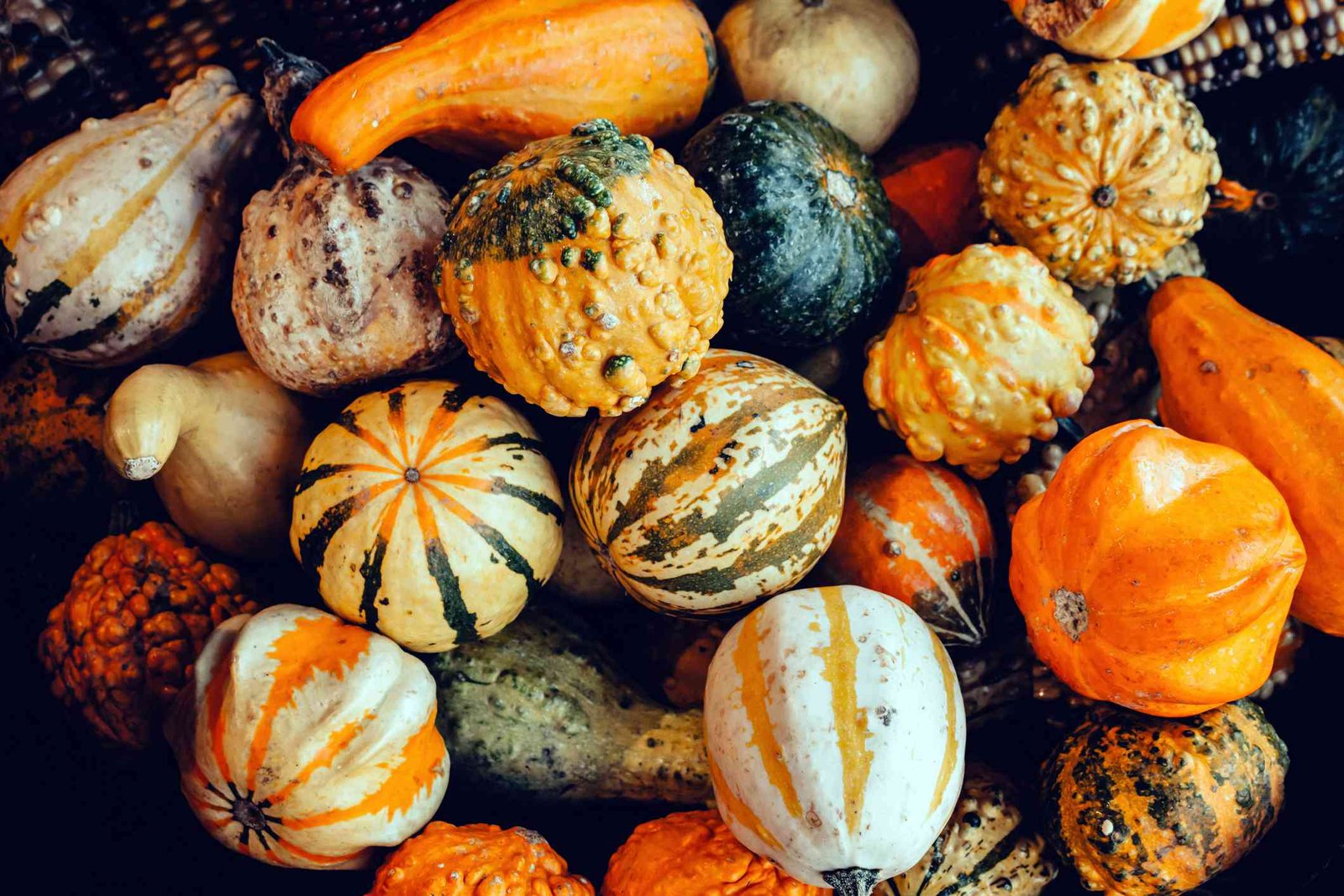
Winter squash, like butternut, acorn, and delicata, are eaten when the fruit has fully matured. When mature, winter squash have hard outer rinds that protect their flesh from the elements, making them ideal for long-term storage.
Acorn squash belongs to the Cucurbitaceae family, which also includes zucchini, pumpkins, and butternut squash. It has an acorn-like shape and a rind that can range from white to dark green. The flesh is yellowish-orange and has a sweet, slightly nutty flavor.
Acorn squash is high in nutrients that help protect against cell damage. For example
- Vitamin C and vitamin A
- Potassium
- Magnesium
- Some B vitamins
- Many antioxidant and anti-inflammatory compounds, including the carotenoids alpha-carotene, beta-carotene, and zeaxanthin
How to use: Roast, bake, or steam. Add it to dishes like salads, soups, and baked goods.
Tip: You don’t need to peel it! The nutritious outer skin should be tender enough to eat.
Butternut squash is one of the most popular winter squashes. Its orange flesh has a sweet and nutty flavor and is packed with fiber and other nutrients.
One cooked cup of butternut squash provides over 100% of the Daily Value (DV) for vitamin A and over 30% of the DV for vitamin C. It’s also rich in carotenoid plant pigments and minerals like potassium, magnesium, and manganese.
How to use: Like acorn squash, butternut squash can be used in both savory and sweet dishes, such as baked goods, grain dishes, and soups.
Tip: Roast cubed butternut squash with olive oil, then season with salt, pepper, and a bit of cinnamon.
Cooked spaghetti squash has a stringy texture that resembles thin spaghetti noodles. One cup contains just 10 grams of carbohydrates, versus 29.9 grams in one cup of cooked acorn squash. People following low-carb diets often use spaghetti squash as a pasta substitute.
Spaghetti squash contains fiber, vitamin C, B vitamins, and manganese. However, it has fewer nutrients than other winter squashes, such as acorn and butternut.
How to use: Scoop out the seeds, prick the rind with a fork in several spots, and roast it flesh-side down for 30-45 minutes at 350 degrees Fahrenheit (177 degrees Celsius). Scoop out the stringy flesh after it cools, then top with your favorite pasta sauce.
Delicata squash has a very sweet, pumpkin-like flavor and thin, tender skin. It’s low in calories, but rich in nutrients such as fiber and potassium.
One cup of delicata squash contains 13% of the DV for potassium, which supports many essential body processes, including blood pressure control.
How to use: Add roasted, thinly sliced squash to grain dishes and salads.
Tip: You can eat the cooked tender rind, making delicata easier to prepare than some other winter squashes.
Red kuri squash is a Hubbard winter squash with an interesting teardrop shape and bright reddish-orange skin. Its flesh is incredibly sweet and nutritious, packed with vitamins A and C, and minerals like potassium.
How to use: Red kuri squash is often used as an ornamental squash for fall and winter decor and dishes like soups and baked goods. Cut the squash in half, scoop out its seeds, and slice it into 1-inch strips. Coat with olive oil and seasoning and roast at 400 degrees Fahrenheit (204 degrees Celsius) for about 30 minutes.
Tip: You can eat the cooked tender rind!
Sweet dumpling squash is a small, apple-shaped winter squash with cream-colored skin and dark green stripes. The flesh is very sweet and has a creamy texture when baked or roasted.
Sweet dumpling squash contains many antioxidants, including phenolic compounds and carotenoids like beta-carotene. Enjoying it regularly could help reduce your risk of health conditions associated with free radical damage, such as heart disease and inflammatory diseases.
How to use: Try stuffing baked sweet dumpling squash with quinoa, feta, and cranberries for a fun, fall-themed side dish.
Musquée de Provence is a large French pumpkin that’s in the same family as butternut and acorn squash. Its golden-brown color and unique shape make it a popular choice for fall decor. The sweet, bright orange flesh is highly nutritious and offers antioxidants and vitamins like A and C.
How to use: Musquée de Provence is commonly sold in slices at French markets for more manageable cooking.
Tip: It can be enjoyed raw, but roasting or baking brings out its sweet flavor.
The North Georgia Candy Roaster squash is a large pink squash with tealish-green colored tips. It’s shaped like a banana and can grow up to 15 pounds when fully mature.
This squash has a sweet, pumpkin-like taste and is often used in pies, soups, and baked goods. It’s rich in nutrients like vitamin C and vitamin A.
How to use: Roast, steam, boil, or bake. You can freeze it after cooking for long-term storage.
Kabocha squash, also known as Japanese pumpkin, has a dark green rind and bright orange, sweet flesh. It’s high in several essential nutrients, such as potassium, vitamin A, and vitamin C.
Kabocha squash has a sweeter taste than many other winter squash, including butternut squash, so it’s commonly added to sweet dishes like pies and cakes. It’s also delicious in savory dishes, like winter soups.
How to use: Cut kabocha squash into wedges after deseeding, then roast for 30 minutes at 420 degrees Fahrenheit (216 degrees Celsius).
Tip: You can eat the cooked tender rind!
Blue Hubbard squash is a unique winter squash type with a bluish-green colored rind. The sweet, yellow flesh is rich in fiber, vitamins A and C, potassium, and many other nutrients.
One cup of Blue Hubbard squash provides 10 grams of fiber. This covers over 35% of the DV for fiber, which is currently set at 28 grams. Eating enough fiber is important for digestive health and helps prevent constipation, support healthy bowel movements, and support the growth of beneficial bacteria in the digestive tract.
How to use: Bake or roast and add to dishes like quinoa salads and rice pilaf, or enjoy it plain as a flavorful side dish.
