

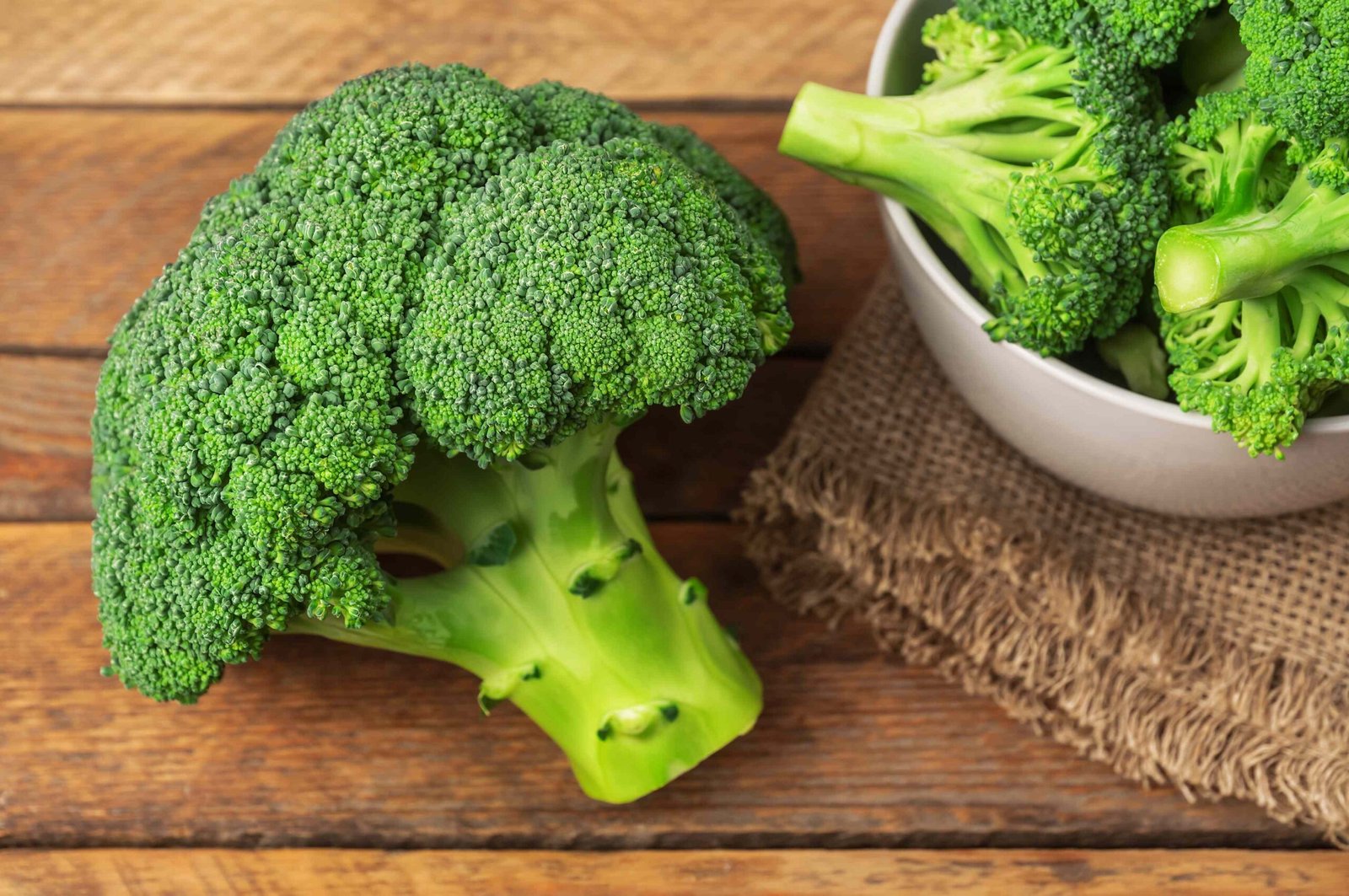
Like other vegetables, broccoli is rich in nutrients, including fiber—a cup of chopped, raw broccoli contains 2.37 grams. However, if you’re looking to boost your fiber intake, there are several other foods that may be better choices.
rodrigobark / Getty Images
- Fiber: 18.2 grams in 1 cup (180 grams) of canned black beans
Black beans are packed with nutrients, similar to other legumes (a plant family which includes soybeans, peanuts, lentils, and peas). By weight, they have over four times as much fiber as broccoli does.
Plus, black beans are also a great source of protein—1 cup contains 16 grams of plant-based protein, which may be good for heart health.
Veni vidi…shoot / Getty Images
- Fiber: 8.8 grams per cup (160 grams) of cooked green peas
Green peas are rich in fiber, with one cooked cup providing 23-42% of your daily fiber needs, depending on age and sex.
They’re also high in carbohydrates, protein, and additional nutrients such as vitamins C and K.
Liudmila Chernetska / Getty Images
- Fiber: 9.75 grams in a 1-ounce serving (28.35 grams) of dried chia seeds
There are few foods as fiber-dense as chia seeds—an ounce of chia seeds contains significantly more fiber than an entire cup of broccoli.
In addition, chia seeds are an excellent source of healthy, unsaturated fats and protein. There are lots of ways to use chia seeds in your kitchen, including soaking them in liquid to make chia pudding, sprinkling them on yogurt, or mixing them into baked goods.
FotografiaBasica / Getty Images
- Fiber: 15.6 grams of fiber per cup (198 grams) of cooked lentils
Lentils are a great source of fiber and protein, plus they are relatively low in calories and fat. For these reasons, lentils are considered a great choice for people looking to lose weight, manage diabetes, or support overall health.
aleksey_rezin / Getty Images
- Fiber: 2.8 grams per tablespoon of whole flaxseeds
A standard serving of flaxseeds—just one tablespoon—contains just slightly more fiber than an entire cup of broccoli. That’s because, by weight, flaxseeds are 10 times higher in fiber than broccoli.
Flaxseeds are also a good source of omega-3 fatty acids, plus they’re available as whole seeds, ground seeds, or oil. This means there’s lots of ways to add them to your diet, including blending ground flaxseed into smoothies or sprinkling whole flaxseeds on top of oatmeal.
Arx0nt / Getty Images
- Fiber: 4.16 grams in 40 grams (about a one-half cup) of rolled, old-fashioned oats
The type of oat and the preparation method you choose affects fiber content, but in general, oats are a great source of fiber. A standard serving of dried rolled oats beats out broccoli’s fiber content by nearly double. Plus, oat bran (the edible, outer layers of the oat kernel that are separated during processing) contains a substantial 14.5 grams of fiber per cup.
High in protein and carbohydrates, this food also helps manage cholesterol levels and diabetes.
bhofack2 / Getty Images
- Fiber: 5.59 grams in 1 cup (130 grams) of cooked collard greens
Collard greens are a great source of calcium, folate, and vitamins C and K. Plus, 1 cup of cooked collard greens contains more than double the amount of fiber in a cup of broccoli.
But collard greens aren’t the only fiber-rich vegetable—other leafy greens, including spinach, kale, and turnip greens, are also great ways to get more fiber.
Olga Yastremska / Getty Images
- Fiber: 4.65 grams in one medium baked sweet potato (150 grams)
How you prepare sweet potatoes influences their nutritional profile. However, a medium-sized baked sweet potato has double the amount of fiber that a cup of broccoli does. A cup of mashed sweet potato has even more, with 7.75 grams of fiber.
Sweet potato is also an excellent source of vitamin A and vitamin C, which support eye, skin, and immune health.
Irina Khabarova / Getty Images
- Fiber: 9.75 grams of fiber per cup (150 grams) of raspberries
Like blueberries and strawberries, raspberries are loaded up with fiber—by weight, 100 grams of raspberries have 2.5 times as much fiber as 100 grams of broccoli.
Because they’re low in calories and rich in antioxidants, raspberries may be able to help reduce inflammation, stabilize blood sugar, and lower the risk of heart disease.
Samuel Garces / Getty Images
- Fiber: 3 grams in 1 ounce (28.35 grams) of unsalted almonds
Almonds are the best nut-based source of fiber you can find. A large, 100-gram serving of almonds contains over 10 grams of fiber, while there are 2.6 grams of fiber in a 100-gram serving of broccoli.
Almonds also provide generous amounts of protein and healthy fats, as well as micronutrients including vitamin E and magnesium. Research has shown that eating almonds frequently could help prevent conditions such as obesity, high blood pressure, and high cholesterol.
Fiber is a critical nutrient that helps maintain your health in multiple ways. Boosting your fiber intake promotes healthy digestion, manages cholesterol and blood sugar levels, and lowers the risk of cancer, gastrointestinal diseases, heart disease, and more.
It’s estimated that American adults only get about 16 grams of fiber daily on average, which is far below the recommended 21-38 grams.
To close that gap, focus on adding more fiber-rich foods to your diet. That can include:
- Whole-grains: Whole-wheat flour, bulgur, oatmeal, and brown rice
- Legumes: Peas, beans, and lentils
- Fruits: Apples, berries, and dried fruit such as prunes or raisins
- Vegetables: Leafy greens, cabbage, Brussels sprouts, and potatoes or yams with the skin on
- Nuts and seeds: Pumpkin seeds, sunflower seeds, and almonds
